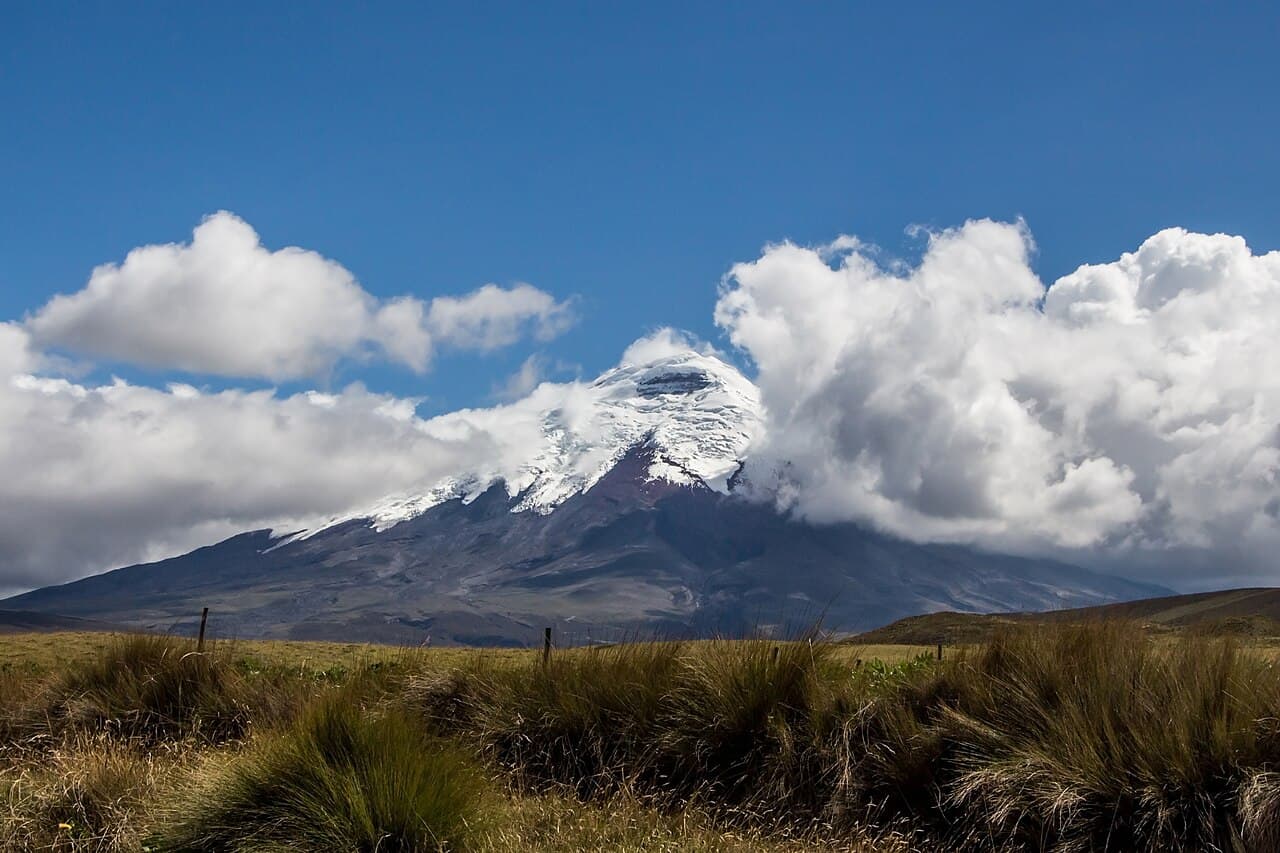
EcuadorPhoto: Bernard Gagnon / Wikimedia Commons (CC BY-SA 3.0)

Ecuador

Country · EC · USD · America/Guayaquil

This information may change. Always check the official source.Last verified: August 2026 by

90 days in any 12 months, not 90 in 180. The Galapagos is a separate USD 220 entry bill paid in cash, and 45 nationalities now need a visa that did not before.

  • The allowance is 90 days in any rolling 12-month period, not 90 in 180 - a month here in February and a month in July leaves you 30 days for the rest of the year.
  • A further 90 days can be bought, but only if you apply before the first period expires. Miss that and you pay a fine on the way out.
  • The Galapagos is a second border and a bill of USD 220 before you have slept anywhere: USD 20 for the transit control card and USD 200 for the park fee, which doubled on 1 August 2024.
  • The park fee is cash only, and the notes are inspected. Worn or torn bills are refused at the desk, which is a genuinely bad place to discover the problem.
  • From 1 September 2025 the list of nationalities needing a visa was extended to 45 countries, India, Vietnam and the Philippines among them, and China's waiver was suspended on 1 July 2024.
More details

90 days per year, which is the trap

Most visitors need no visa at all. The allowance is what catches people, because it is not the rule they are used to.

  • 90 days in any rolling 12-month period. Not 90 in 180. A month here in February and a month in July leaves you 30 days for the rest of the year.
  • Your passport must be valid at least 6 months from the date you arrive.
  • You may be asked for proof of a return or onward journey, and occasionally are.
  • An extension of a further 90 days is available, paid for, and must be applied for before the first 90 expire. Miss that and you pay a fine on the way out.

Who now needs a visa

  • From 1 September 2025 the list of nationalities requiring a temporary visitor visa in advance was extended to 45 countries, and it includes several that were previously waved through - India, Vietnam, the Philippines, Sri Lanka, Uzbekistan, Kenya, Nigeria and Venezuela among them.
  • China's waiver was suspended on 1 July 2024 and Chinese nationals need a visa.
  • The visa costs USD 80 in total - USD 50 to apply, USD 30 on issue - and is obtained from an Ecuadorian consulate before travel.
  • Check your own position rather than a two-year-old blog post. This list has moved twice recently.

The Galapagos is a separate entry

Going to the islands means a second border, a second set of documents and a bill of USD 220 before you have slept anywhere.

  • USD 20 for the transit control card, bought at Quito or Guayaquil airport before you check in for the island flight.
  • USD 200 for the national park entrance fee, paid on arrival at Baltra or San Cristobal. It doubled from USD 100 on 1 August 2024. Children under 12 pay USD 100.
  • The park fee is cash only. No cards. Bring crisp, undamaged notes - worn or torn bills are refused at the desk, which is a genuinely bad place to discover the problem.
  • You also need a hotel booking or invitation letter, a return flight to the mainland, and travel health insurance, which is mandatory for the islands even though it is not for the mainland.
  • The tourist stay in the archipelago is capped at 60 days.

Customs and money at the border

  • From 29 July, adults carrying taxable goods or cash of USD 10,000 or more must register online at least 3 days before travel and show a QR code to customs.
  • On leaving, cash must be declared, and amounts over USD 1,350 are taxed.
  • Do not carry anything you would not want examined. Ecuador is a cocaine transit country and outbound screening at Quito and Guayaquil is thorough.

What visitor status does not allow

  • You may not work. Remote work for an employer at home is tolerated; taking on Ecuadorian clients or a local job is not.
  • Volunteering is work for these purposes, whatever the organisation tells you.
Sources (3)

Ecuador's ordinary customs are relaxed; the Galapagos has its own biosecurity control and it is the strict one.

  • The Galapagos has a separate inspection. Bags are screened at Quito or Guayaquil before the island flight, fresh food, seeds and plants are removed, and a transit control card is issued and checked.
  • Nothing organic goes to the islands. An apple or a packet of seeds in a daypack is confiscated, and the fines are real.
  • Ecuador uses the US dollar, and cash of USD 10,000 or more must be declared on entry and on exit.
  • The mainland allowance is a carton of cigarettes and a couple of litres of spirits per adult, plus a value cap on other goods.
  • Pre-Columbian artefacts may not be exported, and neither may products from protected species - which covers most of what is sold as a Galapagos souvenir made of shell or bone.
More details
  • The Galapagos has a separate inspection. Bags are screened at Quito or Guayaquil before the island flight, fresh food, seeds and plants are removed, and a transit control card is issued and checked.
  • Nothing organic goes to the islands. An apple or a packet of seeds in a daypack is confiscated, and the fines are real.
  • Ecuador uses the US dollar, and cash of USD 10,000 or more must be declared on entry and on exit.
  • The mainland allowance is a carton of cigarettes and a couple of litres of spirits per adult, plus a value cap on other goods.
  • Pre-Columbian artefacts may not be exported, and neither may products from protected species - which covers most of what is sold as a Galapagos souvenir made of shell or bone.
Sources (1)

Altitude is what will actually affect you, in Quito on the first day. Private clinics in the cities are good and cheap; the Galapagos and the Amazon are a flight from anywhere.

  • Quito is at 2,850 metres and it is the highest many visitors have ever slept. Headache, breathlessness and poor sleep on the first day or two are normal.
  • Confusion, vomiting or breathlessness at rest are not normal. That is altitude sickness proper and the treatment is to go down, immediately.
  • The TelefériQo at 4,050 metres, Cotopaxi and Quilotoa are far higher again, and are day trips people take on day two and regret.
  • Dengue and zika are daytime-biting, so use repellent through the day in the lowlands; there is no malaria above about 1,500 metres and none in the Galapagos.
  • You are on the equator and at altitude, so burning takes 15 minutes in the sierra on a cool cloudy day. High-factor sunscreen, sunglasses and a hat are not optional.
More details

Altitude, which is the health issue here

Quito is at 2,850 metres and it is the highest many visitors have ever slept. Almost everyone feels it.

  • Headache, breathlessness, poor sleep, no appetite and a racing pulse are all normal on the first day or two.
  • Do nothing on the day you arrive. No hiking, no drinking, no big meal.
  • Drink far more water than usual, and coca tea if it is offered.
  • Cotopaxi, Quilotoa and the Quito TelefériQo at 4,050 metres are considerably higher again, and are day trips people take on day two and regret.
  • Confusion, vomiting or breathlessness at rest are not normal. That is altitude sickness proper, and the treatment is to go down, immediately.
  • Ask a doctor about acetazolamide before you travel if you are heading straight to high altitude.

Vaccinations and mosquitoes

  • Yellow fever vaccination is recommended for the Amazon provinces, and a certificate may be asked for if you travel on to another country afterwards.
  • Hepatitis A and typhoid are routine recommendations, and rabies is worth discussing for remote travel.
  • Dengue, zika and chikungunya are present in the coastal and Amazon lowlands and are daytime-biting mosquitoes, so repellent through the day rather than just at dusk.
  • Malaria risk exists in parts of the lowlands and none at all above about 1,500 metres, which means Quito, Cuenca and the sierra are clear.
  • There is no malaria and no yellow fever in the Galapagos.

Medical care

  • Private clinics in Quito, Guayaquil and Cuenca are good and inexpensive by North American or European standards, and are where you should go.
  • Hospital Metropolitano and Hospital de los Valles in Quito, and Clinica Kennedy in Guayaquil, are the ones foreigners are usually directed to.
  • Public hospitals are free at the point of emergency and are overstretched.
  • You pay up front and claim afterwards. Keep itemised receipts.
  • The Galapagos and the Amazon have basic facilities only. Anything serious means a flight to the mainland, which is why insurance with evacuation cover matters more here than the mainland cost of treatment suggests.

Food and water

  • Do not drink the tap water. Bottled or properly filtered.
  • Ice and salads in established restaurants in the cities are generally fine, and at a roadside stall are not.
  • Stomach upsets are common in the first days, usually from the change rather than contamination. Carry rehydration salts.
  • The street food is excellent and the busy stall with a queue of locals is the safe one.
  • Seafood on the coast is superb, and ceviche is safe where the turnover is fast.

The sun

  • You are on the equator and at altitude. The ultraviolet index in Quito is among the highest measured anywhere on earth.
  • Burning takes 15 minutes in the sierra, on a cool cloudy day, in the shade of a hat brim.
  • High-factor sunscreen every day, sunglasses, and a hat. This is not optional at 2,850 metres.
Sources (3)

Quito

Long-term averages for Quito: the mean daily high, the mean overnight low and the mean monthly rainfall across 30 years of ERA5 reanalysis data (1995–2024).

DayNight
5101520°C0500mmJanFebMarAprMayJunJulAugSepOctNovDecJanuary: Day 16 °C, Night 9 °C, Rain 298 mm. February: Day 16 °C, Night 9 °C, Rain 300 mm. March: Day 16 °C, Night 9 °C, Rain 371 mm. April: Day 16 °C, Night 9 °C, Rain 347 mm. May: Day 16 °C, Night 9 °C, Rain 250 mm. June: Day 16 °C, Night 8 °C, Rain 152 mm. July: Day 17 °C, Night 8 °C, Rain 97 mm. August: Day 18 °C, Night 8 °C, Rain 100 mm. September: Day 17 °C, Night 8 °C, Rain 164 mm. October: Day 16 °C, Night 9 °C, Rain 273 mm. November: Day 16 °C, Night 9 °C, Rain 319 mm. December: Day 16 °C, Night 9 °C, Rain 315 mm
Show the monthly table
Quito
MonthDay (°C)Night (°C)Rain (mm)
January169298
February169300
March169371
April169347
May169250
June168152
July17897
August188100
September178164
October169273
November169319
December169315

Guayaquil

Long-term averages for Guayaquil: the mean daily high, the mean overnight low and the mean monthly rainfall across 30 years of ERA5 reanalysis data (1995–2024).

DayNight
202530°C0500mmJanFebMarAprMayJunJulAugSepOctNovDecJanuary: Day 28 °C, Night 23 °C, Rain 240 mm. February: Day 28 °C, Night 23 °C, Rain 356 mm. March: Day 29 °C, Night 24 °C, Rain 371 mm. April: Day 29 °C, Night 23 °C, Rain 282 mm. May: Day 28 °C, Night 23 °C, Rain 188 mm. June: Day 28 °C, Night 22 °C, Rain 118 mm. July: Day 27 °C, Night 21 °C, Rain 100 mm. August: Day 28 °C, Night 21 °C, Rain 72 mm. September: Day 28 °C, Night 21 °C, Rain 80 mm. October: Day 28 °C, Night 21 °C, Rain 56 mm. November: Day 28 °C, Night 21 °C, Rain 50 mm. December: Day 29 °C, Night 22 °C, Rain 102 mm
Show the monthly table
Guayaquil
MonthDay (°C)Night (°C)Rain (mm)
January2823240
February2823356
March2924371
April2923282
May2823188
June2822118
July2721100
August282172
September282180
October282156
November282150
December2922102

Puerto Ayora

Long-term averages for Puerto Ayora: the mean daily high, the mean overnight low and the mean monthly rainfall across 30 years of ERA5 reanalysis data (1995–2024).

DayNight
202530°C0200mmJanFebMarAprMayJunJulAugSepOctNovDecJanuary: Day 28 °C, Night 24 °C, Rain 62 mm. February: Day 29 °C, Night 25 °C, Rain 106 mm. March: Day 30 °C, Night 25 °C, Rain 107 mm. April: Day 29 °C, Night 25 °C, Rain 116 mm. May: Day 28 °C, Night 24 °C, Rain 51 mm. June: Day 27 °C, Night 23 °C, Rain 39 mm. July: Day 26 °C, Night 22 °C, Rain 29 mm. August: Day 25 °C, Night 21 °C, Rain 21 mm. September: Day 25 °C, Night 21 °C, Rain 21 mm. October: Day 25 °C, Night 21 °C, Rain 23 mm. November: Day 26 °C, Night 21 °C, Rain 22 mm. December: Day 27 °C, Night 22 °C, Rain 47 mm
Show the monthly table
Puerto Ayora
MonthDay (°C)Night (°C)Rain (mm)
January282462
February2925106
March3025107
April2925116
May282451
June272339
July262229
August252121
September252121
October252123
November262122
December272247
Sources (1)

Cheap and good almost everywhere, with two exceptions: the Galapagos, and anywhere in Quito you should not walk home to at night.

  • La Floresta and Gonzalez Suarez are the comfortable Quito neighbourhoods. The old town is spectacular and empties at night, and La Mariscal has declined badly.
  • A hostel or hotel with 24-hour reception is worth paying for in Quito and Guayaquil, and ask how you get back at night before booking anywhere out of the centre.
  • Cuenca is the loveliest city to stay in, and the sierra haciendas - converted estate houses with fires lit in the evening - are a genuine highlight at a fraction of the European price.
  • The Galapagos is where the budget goes: a cruise reaches the outer islands, island-hopping from hotels is far cheaper and misses the remote sites.
  • Heating almost never exists in the sierra, where nights are cold all year, and hot water is often an electric shower head rather than a shower. Ask for extra blankets.
More details

Quito

  • La Floresta and Gonzalez Suarez are the comfortable neighbourhoods to base yourself in: residential, walkable in the day, plenty of restaurants.
  • The old town is spectacular and empties at night. Staying there is fine; walking back to it at 23:00 is not.
  • La Mariscal, the old backpacker district, has declined and is where a large share of visitor robberies happen after dark. Read a recent review, not a 2015 guidebook.
  • A hostel or hotel with 24-hour reception is worth paying for in both cities.

The rest of the mainland

  • Cuenca is the loveliest city to stay in and is cheap by any standard.
  • Banos, Mindo, Otavalo and Vilcabamba all run on small family-owned places that are excellent value and rarely need booking far ahead.
  • Amazon lodges are all-inclusive packages bought with the transport, not rooms you book separately.
  • Haciendas in the sierra are a genuine highlight: converted estate houses, fires lit in the evening, and far cheaper than the equivalent anywhere in Europe.

The Galapagos

  • This is where the budget goes, and there are two ways to do it.
  • A cruise covers the outer islands and is the only way to see several of them. It is expensive and it is the real experience.
  • Island-hopping from hotels on Santa Cruz, San Cristobal and Isabela is far cheaper, uses day tours and the inter-island ferries, and misses the remote sites.
  • You must have a booking before you fly. It is checked with the transit control card.
  • Book the cruise well ahead for June to September and around Christmas.

Practical checks

  • Hot water at altitude is worth confirming. Electric shower heads are common and produce a trickle of warm water rather than a shower.
  • Heating almost never exists in the sierra, where nights are cold all year. Ask for extra blankets.
  • Mosquito nets on the coast and in the Amazon.
  • Ask how to get back at night before booking somewhere out of the centre. The answer should be "a taxi we call for you".
Sources (3)

Claro has the coverage that matters once you leave the two big cities. A passport is required, the shop registration takes a while, and the Galapagos and the Amazon are largely offline.

  • Claro is the one to buy. The widest coverage by a distance, and the only network that reliably works on the mountain roads and in the smaller sierra towns.
  • Bring your passport, and go to an official Claro or Movistar shop rather than a corner kiosk - the kiosk may not complete the registration and the line dies a few days later.
  • The Amazon is a different country in this respect. Lodges on the Napo and the Cuyabeno have satellite internet at best and often nothing at all.
  • The Galapagos is limited, slow and expensive, and at sea you are simply offline. Download offline maps for every region before you leave a city.
  • WhatsApp is how Ecuador communicates. Hotels, guides, drivers and restaurants all expect to be contacted on it and many will not answer a phone call.
More details

Which network

  • Claro is the one to buy. The widest coverage by a distance, and the only one that reliably works on the mountain roads and in the smaller sierra towns.
  • Movistar is fine in Quito, Guayaquil and Cuenca and thins out fast beyond them.
  • CNT, the state operator, is cheap and best treated as a backup.
  • Prepaid data is inexpensive. A tourist bundle with plenty of data costs a few dollars, and Ecuador prices in US dollars so there is no conversion to work out.

Buying one

  • Bring your passport. Every prepaid line must be registered against an identity document and the shop will scan or copy it.
  • Go to an official Claro or Movistar shop, in a mall or on a main street, rather than a corner kiosk. The kiosk sells you the card and may not complete the registration, and the line dies a few days later.
  • The airports have counters but the queues after an evening arrival are long and the prices are higher. If your hotel transfer is arranged, buying in town the next morning is calmer.
  • eSIM is supported by Claro and Movistar and by travel brands. For a week or less, a travel eSIM is the easier choice and not much dearer.

Where the signal ends

  • Quito, Guayaquil, Cuenca and the Pan-American corridor are well covered, with 4G that works.
  • The Amazon is a different country in this respect. Lodges on the Napo and the Cuyabeno have satellite internet at best and often nothing. This is usually presented as a feature.
  • The Galapagos has limited and slow connectivity, expensive on the islands and absent at sea. Assume you are offline on a cruise.
  • The high paramo and the volcano approaches drop out regularly.
  • Download offline maps for every region before you leave a city, and the bus timetable with them.

Two practical habits

  • WhatsApp is how Ecuador communicates. Hotels, guides, drivers, tour operators and restaurants all expect to be contacted on it, and many will not answer a phone call.
  • Keep the phone out of sight in the street. Phone snatching is common in Quito and Guayaquil, and using one on the pavement is the invitation. See the safety section.
Sources (3)

Ecuadorian sockets are Type and at 120 V, the American standard.

  • American and Canadian plugs fit straight in. European, British and Australian ones need an adapter.
  • 120 V is why European appliances will not run here even through an adapter unless they are marked 100-240 V.
  • Neighbouring Peru and Colombia are not the same: Peru runs 220 V through similar-looking sockets, which is a real hazard on an overland trip.
  • Unearthed two-slot sockets are common outside newer hotels.
  • Highland lodges and Galapagos boats run their own supply, often only for part of the day.
More details

Sockets in Ecuador are Type and at 120 V, 60 Hz - the American standard, unusual in South America.

  • American and Canadian plugs fit straight in. European, British and Australian ones need an adapter.
  • 120 V is why European appliances will not run here even through an adapter unless they are marked 100-240 V.
  • Neighbouring Peru and Colombia are not the same: Peru runs 220 V through similar-looking sockets, which is a real hazard on an overland trip.
  • Unearthed two-slot sockets are common outside newer hotels.
  • Highland lodges and Galapagos boats run their own supply, often only for part of the day.
Sources (1)

American plugs and voltage, Spanish that is unusually clear, four climates in a small country, and a pace that does not hurry for anyone.

  • Plugs are the American flat-pin type and at 120 V, 60 Hz, so North American devices work with no adapter and a 230 V hair dryer or kettle simply will not.
  • Ecuadorian Spanish is among the clearest and slowest in Latin America and one of the best places anywhere to learn it. English is limited outside hotels and agencies.
  • Buenos dias before anything else. Walking up and starting with a question reads as rude.
  • Four climates in a small country: the sierra cool all year, the coast hot and wet from January to April, the Amazon constant, and Galapagos wildlife best June to November.
  • Toilet paper goes in the bin, not the bowl, throughout the country, and the almuerzo set lunch at USD 3 to USD 5 is the best value food in Ecuador.
More details

Electricity, which is the useful surprise

  • Plugs are the American flat two-pin type and three-pin type , at 120 V, 60 Hz.
  • North American devices work with no adapter at all.
  • European and UK devices need an adapter and, for anything with a heating element, a voltage check. A 230 V hair dryer or travel kettle will simply not work.
  • Power cuts happen, more so during drought years when the hydroelectric reservoirs are low.

Language

  • Spanish, and Ecuadorian Spanish is among the clearest and slowest in Latin America - genuinely one of the best countries to learn it in.
  • Kichwa is widely spoken in the sierra alongside Spanish.
  • English is limited outside hotels and tour agencies. A phrasebook or an offline translation pack earns its keep here.
  • Buenos dias before anything else. Walking up and starting with a question reads as rude.

Four countries in one

  • The sierra is cool all year: 20 degrees by day, single figures at night, and it does not change much by season. Layers, always.
  • The coast is hot and humid, with the wet season from January to April, which is also when the sea is warmest.
  • The Amazon is hot, wet and constant, and the rain comes whatever the month.
  • The Galapagos has a warm wet season from December to May and a cooler, rougher, richer-in-wildlife season from June to November.
  • The weather changes within a day in the sierra. Sun, rain and cold in a single afternoon is the normal pattern, not bad luck.

Manners and habits

  • Greetings matter. A handshake, or a kiss on one cheek between women and between a man and a woman who know each other.
  • Punctuality is loose socially and strict for buses and tours.
  • Lunch is the main meal, from about 13:00, and the almuerzo set menu is the best value food in the country at USD 3 to USD 5.
  • Dress is conservative in the sierra and relaxed on the coast. Shorts in Quito mark you out.
  • Photographing indigenous people at markets needs asking, and is often declined. Otavalo is a working market, not a set.

Practical odds and ends

  • Toilet paper goes in the bin, not the bowl, throughout the country. The plumbing genuinely cannot take it.
  • Sunday is quiet and many businesses close; markets, on the other hand, are at their best.
  • Public holidays fill every bus and empty the cities. Carnival and the first days of November are the big ones.
  • Carry a photocopy of your passport and leave the original in a safe.
  • Altitude affects alcohol. One drink in Quito does the work of two at sea level.
Sources (3)

The country uses the US dollar, so there is nothing to convert. The problem is change: nobody can break a USD 20 note, and the Galapagos fee is cash only.

  • Ecuador has used the US dollar since 2000, American notes and American coins, so there is nothing to convert and no bureau de change to find.
  • Almost nobody can break a USD 20 note, and a USD 50 or USD 100 is nearly unspendable outside hotels and supermarkets. Hoard small notes and coins.
  • ATMs dispense large notes, unhelpfully. Break them at a supermarket or petrol station as soon as you get them, and prepare the Galapagos USD 200 in good condition before you fly.
  • Use cash machines inside a bank or a shopping centre, in daylight. Express kidnapping - being taken to a machine and made to withdraw - is a documented pattern here.
  • Restaurants add 12 percent VAT and often 10 percent service on top of the menu price. Where service has been added, nothing more is expected.
More details

The dollar

  • Ecuador adopted the US dollar in 2000 and uses it exactly as the United States does. American notes, American coins.
  • There is no exchange rate to think about if you come from the US, and one simple one if you do not.
  • Ecuador also mints its own centavo coins, the same sizes and values as US cents, usable only here. Spend them before you leave.
  • No conversion, no bureau de change, no rate to time.

The change problem, which is the real one

This is the daily friction of travelling in Ecuador.

  • Almost nobody can break a USD 20 note, and a USD 50 or USD 100 is nearly unspendable outside hotels and supermarkets.
  • ATMs dispense large notes, which is unhelpful of them. Break them at a supermarket, a pharmacy or a petrol station as soon as you get them.
  • Hoard small notes and coins - ones, fives, quarters - for buses, taxis, markets and tips.
  • USD 100 notes are also refused for fear of forgery, and are checked closely where accepted.
  • The Galapagos park fee is cash only and the notes must be clean and undamaged. Prepare that USD 200 before you fly, in good condition.

Cards and cash machines

  • Cards work in hotels, established restaurants, supermarkets and tour agencies in Quito, Guayaquil and Cuenca.
  • Cash everywhere else, including most of the coast, the small sierra towns and the markets.
  • Use ATMs inside a bank or a shopping centre, in daylight. Banco Pichincha, Banco Guayaquil and Produbanco are the common ones.
  • Never use a street machine at night. Express kidnapping - being taken to a machine and made to withdraw - is a documented pattern here.
  • Withdrawal fees are USD 2 to USD 5 and limits are low, so take the maximum each time.

Prices and tipping

  • VAT is included in shop prices. Restaurants add 12 percent VAT and often 10 percent service on top of the menu price, shown at the bottom of the bill.
  • Where service has been added, nothing more is expected.
  • Where it has not, 10 percent is generous.
  • Round up for a taxi, and USD 1 to USD 2 per bag for a porter.
  • Tour guides and drivers are tipped properly: USD 10 or more per day for a good guide, and Galapagos crews have published guidelines.
  • Bargain in markets, not in shops. Politely, and not over small sums - the difference you are arguing about matters more to the seller than to you.
Sources (3)

Everyday prices

Typical prices in US dollar (USD), averaged across the country by Numbeo and read on 18 August 2026. Tick Convert prices above the table to see every amount in your own currency.

Everyday prices
ItemTypical price
Inexpensive restaurant meal3.50 USD
Dinner for two, mid-range, three courses35 USD
Cappuccino2.61 USD
Local draught beer, 0.5 l2.00 USD
Bottled water, 0.33 l0.76 USD
Public transport, one-way ticket0.35 USD
Taxi, starting fare1.50 USD
Petrol, 1 litre0.80 USD
Cigarettes, pack of 20 (Marlboro)6.00 USD
Average net monthly salary536 USD

These are country-wide averages, not a price list: tourist districts, airports and islands sit well above them, and small towns below. The salary line is there for proportion - it is what people living here actually earn.

Sources (1)

Airport guides for Ecuador1

One page per airport: the routes into town, what they cost and the trap particular to that arrival.

See all 1 airports

Quito airport is 38 km from the city and the shuttle that used to bridge the gap has stopped. Take the official taxi at USD 25 and do not economise at midnight.

  • Quito's airport is 38 km east of the city, 45 minutes to well over an hour, so this is not an airport to improvise at.
  • The official airport taxi is a flat USD 25 to most central districts, USD 3 to USD 5 more between 22:00 and 06:00, booked at the desk inside rather than from someone in the hall.
  • The Aeroservicios shuttle no longer runs. It was the sensible middle option for years and stopped in 2026, so any advice recommending it is out of date.
  • Guayaquil's airport is 5 km from the centre and a taxi is USD 5 to USD 10 - but take it from the official rank rather than hailing one outside the door.
  • Quito sits at 2,850 metres and you will feel it within the hour. Plan nothing for the first afternoon, drink water, and skip the alcohol on day one.
More details
Quito

Mariscal Sucre is 38 km east of Quito, in a valley at about 2,400 metres, and the drive takes 45 minutes to well over an hour in traffic. This is not an airport you improvise at.

  • The official airport taxi is a flat USD 25 to most central districts, and about USD 3 to USD 5 more between 22:00 and 06:00. Book it at the desk inside, not from someone in the hall.
  • A pre-booked private transfer is USD 35 to USD 55 and is what most hotels will arrange.
  • inDrive and Uber operate and run USD 15 to USD 25, with the usual caveat that the pickup point is away from the terminal door.
  • The Aeroservicios shuttle no longer runs. It was the sensible middle option for years and it stopped in 2026, so any advice recommending it is out of date.
  • The public route is bus 198 to Rio Coca and then the Ecovia, about USD 2.35 in total and about 2 hours. Cheap, and not something to attempt at night with luggage.
  • Get some small notes at the airport. Nobody has change for a USD 50 note.
Guayaquil
  • Jose Joaquin de Olmedo is 5 km from the centre, which makes it one of the easiest arrivals in South America.
  • A taxi to the centre is USD 5 to USD 10 and should be taken from the official rank.
  • Do not walk out of the terminal and hail a car. Guayaquil is the city where the FCDO's warnings bite hardest.
  • The Metrovia bus passes nearby and is not worth it with bags.
Altitude, which starts at the airport
  • Quito sits at 2,850 metres and the airport at about 2,400. You will feel it within the hour.
  • Do not plan anything for the first afternoon. Headache, breathlessness on stairs and poor sleep the first night are normal.
  • Drink water, skip the alcohol on day one, and eat lightly.
  • Guayaquil is at sea level, so arriving there and travelling up is gentler on the body if your itinerary allows.
  • Coca tea is offered everywhere in the sierra and does help.
Getting straight out of town
  • Quitumbe terminal in the south serves the southern sierra and the coast; Carcelen in the north serves the north and the Amazon road.
  • Buses leave constantly and cost very little. See the transport section for which ones to avoid.
  • Domestic flights to Cuenca, Coca and the Galapagos leave from the same Quito terminal.
Sources (3)

Buses go everywhere for almost nothing, and the good operators are worth the extra dollar. In the cities, book a car through an app rather than hailing one.

  • Buses go everywhere for roughly USD 1 to USD 1.50 per hour of travel, so Quito to Banos, Cuenca or Otavalo costs a few dollars.
  • Use the better operators on long routes and buy at the terminal counter, not from a man at the door. Keep your bag on your lap rather than overhead.
  • Do not hail a taxi on the street after dark in Quito or Guayaquil. Registered taxis have an orange plate, a meter and a visible driver ID; Uber, Cabify and inDrive all work.
  • Mountain roads close for landslides in the wet season, so ask before committing to a tight connection, and do not drive between towns at night.
  • The Galapagos is only reachable by air from Quito or Guayaquil, and the Amazon means a flight to Coca and then a motorised canoe arranged by the lodge.
More details

Buses

Ecuador is a small country with an excellent bus network, and this is how you travel here.

  • Fares run at roughly USD 1 to USD 1.50 per hour of travel. Quito to Banos, Cuenca or Otavalo costs a few dollars.
  • Use the better operators on long routes - Panamericana, Flota Imbabura, Transportes Ecuador - and buy at the terminal counter rather than from a man at the door.
  • Keep your bag on your lap or between your feet. Overhead racks and the space under the seat in front are where things disappear from.
  • Do not take an overnight bus if you can avoid it, and never one on a route the FCDO flags.
  • Mountain roads close for landslides in the rainy season. Ask before committing to a tight connection.

Cities

  • Quito's Trolebus, Ecovia and Metrobus run north to south on dedicated lanes for a few cents, and the new metro connects the main axis. All are crowded and are where pickpocketing happens.
  • Uber, Cabify and inDrive operate in Quito and Guayaquil, and are the right way to move at night.
  • Registered yellow taxis have a meter, an orange number plate and a visible ID card. Use those, or an app, and not a car that stops for you unasked.
  • Do not hail a taxi on the street after dark. This is the single clearest piece of advice for both cities.

Getting to the regions

  • Domestic flights to Cuenca, Loja, Coca and Manta save a day of switchbacks and cost little.
  • The Galapagos is only reachable by air from Quito or Guayaquil, to Baltra or San Cristobal.
  • The Amazon means a flight to Coca, then a motorised canoe, usually arranged by the lodge.
  • The tourist trains are mostly suspended, so check the current position rather than planning around them.

Driving

  • Hiring a car works for the sierra loop and is unnecessary anywhere else.
  • The roads themselves are good, the driving is fast and the overtaking is optimistic.
  • Do not drive at night between towns, both for the road and for the security advice.
  • Fuel is cheap and stations are frequent on the Pan-American, sparse elsewhere.
  • Police checkpoints are routine. Carry your passport and the hire documents.
Sources (3)

Ecuador has frequent peajes, a plate-based restriction in Quito, and roads that cross the Andes several times.

  • Pico y Placa applies in Quito on weekday peaks by the last digit of the plate, and it applies to hire cars.
  • Toll booths on the Panamericana take cash; the amounts are small.
  • The alcohol limit is 0.03 % with immediate detention above a low threshold.
  • Roads climb and descend continuously. Quito to the coast drops 2,800 m in a few hours, and fog on the passes is routine in the afternoon.
  • The Galapagos are not driven. Cars there are taxis, and inter-island transport is by boat and plane.
More details

Peajes on the main routes, a plate restriction in Quito, and mountain roads in every direction.

  • Pico y Placa applies in Quito on weekday peaks by the last digit of the plate, and it applies to hire cars.
  • Toll booths on the Panamericana take cash; the amounts are small.
  • The alcohol limit is 0.03 % with immediate detention above a low threshold.
  • Roads climb and descend continuously. Quito to the coast drops 2,800 m in a few hours, and fog on the passes is routine in the afternoon.
  • The Galapagos are not driven. Cars there are taxis, and inter-island transport is by boat and plane.
Sources (1)

A state of emergency, most of the coast under an FCDO advisory, express kidnapping and drugged drinks. This is not the country it was five years ago and the advice has changed with it.

  • Ecuador's security situation deteriorated sharply from 2023 and has not recovered. A nationwide state of emergency is in force and guidebooks written before then describe a different country.
  • The FCDO advises against all but essential travel to seven coastal provinces - Esmeraldas, Manabi, Santa Elena, El Oro, Los Rios, Santo Domingo de los Tsachilas and all of Guayas, Guayaquil included except airside transit at its airport - plus within 20 km of the Colombian border.
  • Express kidnapping is common throughout the country - a short abduction to empty your accounts at cash machines - which is the reason for the rules about taxis and ATMs.
  • Scopolamine is used to incapacitate victims and can be absorbed through the skin. Never accept a drink, a cigarette, a sweet or a leaflet from a stranger.
  • Quito, Cuenca, Banos, Otavalo, Mindo, the Amazon lodges and the Galapagos remain normal places to travel, with ordinary city precautions and a taxi booked rather than hailed.
More details

The current picture

Ecuador's security situation deteriorated sharply from 2023 and has not recovered. Guidebooks and blogs written before then describe a different country.

  • A nationwide state of emergency is in force, with police and military deployed without notice and extra checks that can disrupt travel.
  • The FCDO's advisory covers far more than three provinces. All but essential travel is advised against in Esmeraldas, Manabi, Santa Elena, El Oro, Los Rios, Santo Domingo de los Tsachilas and the whole of Guayas - Guayaquil included, with the sole exception of airside transit at Guayaquil airport.
  • It also covers the Colombian border. Within 20 km of it, except the El Angel Ecological Reserve, the Rumichaca crossing, Tulcan and the Pan-American Highway in Carchi; plus Lago Agrio in Sucumbios and San Lorenzo in Esmeraldas by name.
  • Between them those provinces are most of the coast. If your itinerary was built around Guayaquil, Montanita or the Ruta del Spondylus, that is what the advisory is about.
  • Car bombs exploded near Mall del Sol and the Sheraton in Guayaquil on 14 and 15 October 2025, with further explosions across Guayas and El Oro.
  • The violence is overwhelmingly between criminal organisations rather than aimed at tourists, and the risk to a visitor is being nearby rather than being targeted.
  • Quito, Cuenca, Banos, Otavalo, Mindo, the Amazon lodges and the Galapagos remain normal places to travel, with ordinary city precautions.

Express kidnapping and drugging

  • Express kidnapping is common throughout Ecuador: a short opportunistic abduction to empty your accounts at cash machines. It is the reason for the rules about taxis and ATMs.
  • Scopolamine is used to incapacitate victims and can be absorbed through the skin, applied to your hand, face or body without your noticing.
  • Never accept a drink, a cigarette, a sweet or a leaflet from a stranger, and do not leave a drink unattended.
  • If you are robbed, hand everything over. Nothing you are carrying is worth an injury.

The taxi rule

  • Use a registered taxi or an app, never a car hailed on the street, especially after dark.
  • Registered taxis have an orange number plate, a meter and a visible driver ID.
  • Book through your hotel or a radio-dispatched service if you are not using an app.
  • Ride in the back, keep the door locked and the phone out of sight.

Everyday city crime

  • Bag snatching and pickpocketing on the Trolebus, in markets, at bus terminals and around La Mariscal in Quito.
  • Phone snatching in traffic through open car windows and from pedestrians.
  • Carry a decoy wallet with a small amount of cash and leave the rest in a hotel safe.
  • Photocopy your passport and carry that, keeping the original locked up except when you need it.

Nature, which is the other half

  • Altitude affects everyone in Quito, Cotopaxi and Quilotoa. Ascend slowly and see the health section.
  • Volcanoes are active. Cotopaxi, Tungurahua and Sangay all have exclusion zones that change; check before climbing anything.
  • Pacific currents are strong and drownings at Montanita and the coastal beaches are frequent.
  • Protests and roadblocks are common and can close the Pan-American at short notice. They are not aimed at you and are not somewhere to be.
Sources (3)

One number, 911, run through the ECU 911 system and answered around the clock. For anything in the Galapagos or the Amazon, your insurer and your operator matter more.

  • 911 is the single emergency number, run by the national ECU 911 service, free from any mobile and reaching police, ambulance, fire and civil protection.
  • Operators speak Spanish and English is not guaranteed. If you are at a hotel, have the desk call, and give the province and the nearest landmark rather than just a street.
  • For anything not immediately urgent, take a taxi to a private clinic rather than waiting for an ambulance, and call your insurer as early as you can.
  • In the Galapagos and the Amazon your operator or lodge is the emergency service, and evacuation to Quito or Guayaquil is the plan for anything serious.
  • If you are drugged or robbed, get medical attention even if you feel fine, and get the written police report - no insurer will pay without it.
More details

911

  • 911 is the single emergency number, run by the national ECU 911 service, and reaches police, ambulance, fire and civil protection.
  • It is free and works from any mobile, including one with no credit.
  • Operators speak Spanish. English is not guaranteed. If you are at a hotel, have the desk call.
  • Give the province and the nearest landmark, not just a street name.

Medical

  • Call your insurer as early as you can. They will direct you to a clinic they deal with and authorise payment.
  • For anything not immediately urgent, take a taxi to a private clinic rather than waiting for an ambulance.
  • In the Galapagos and the Amazon, your operator or lodge is the emergency service. Evacuation to Quito or Guayaquil is the plan for anything serious, and it is not quick.
  • Keep a photograph of your insurance policy and the 24-hour number in your phone and printed.

After a crime

  • Report it to the police and get the written denuncia. No insurer will pay without it, and it takes time.
  • The Fiscalia handles formal complaints and the tourist police in Quito and Guayaquil deal with visitors specifically.
  • A lost passport means your embassy in Quito, with the police report first.
  • If you are drugged or robbed, get medical attention even if you feel fine. Scopolamine leaves you with no memory of consenting to anything.

If you are detained

  • Ask to contact your embassy and do not sign a Spanish document you cannot read.
  • Drug offences carry long sentences and pre-trial detention is measured in months.
  • Never carry a package for anyone, and pack your own bags.

Natural events

  • Ecuador is seismically active and earthquakes happen. Know the evacuation route from your hotel.
  • Volcanic ash closes Quito airport occasionally, with little warning.
  • Landslides close mountain roads in the wet season.
  • Coastal tsunami warnings are broadcast and marked with evacuation signs; follow them immediately rather than watching the sea.
Sources (3)