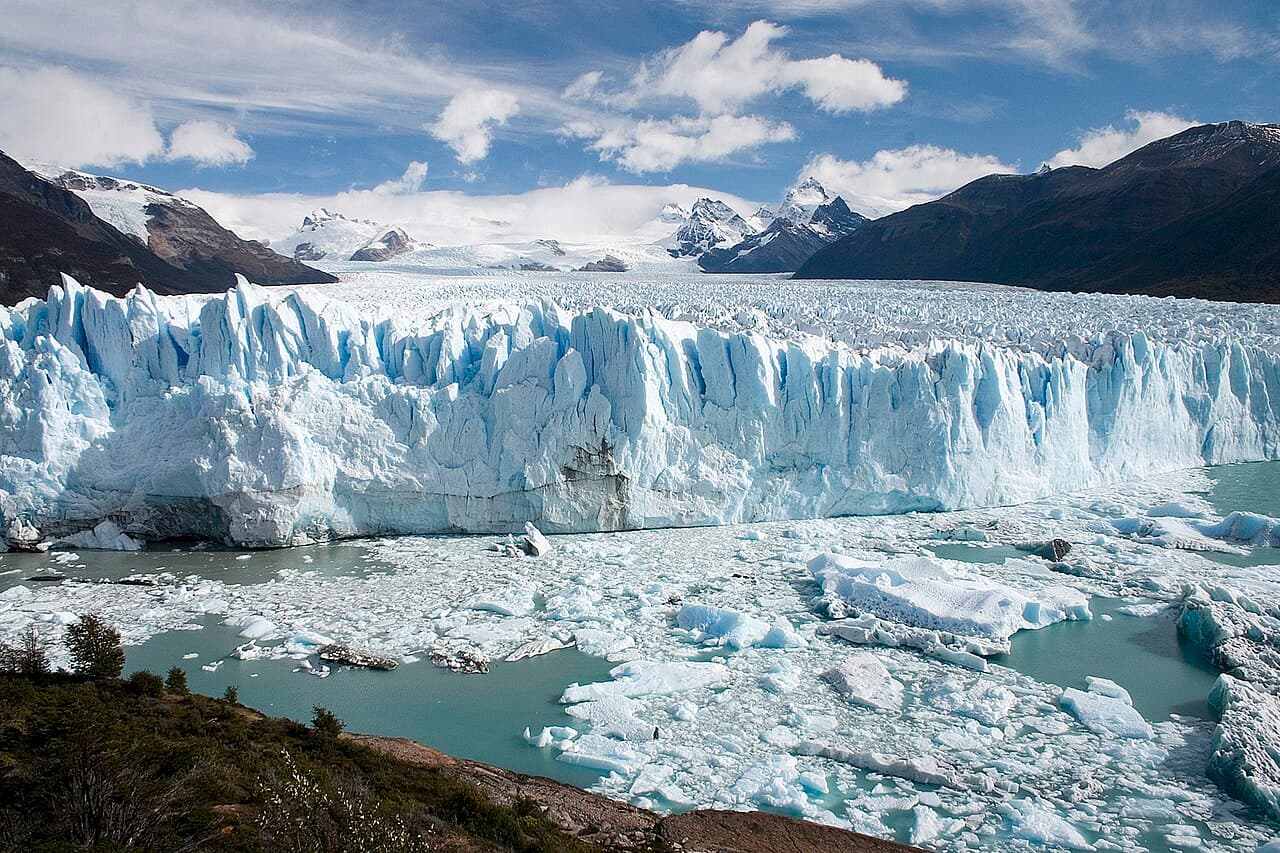
ArgentinaPhoto: Luca Galuzzi (Lucag) / Wikimedia Commons (CC BY-SA 2.5)

Argentina

Country · AR · ARS · America/Argentina/Buenos_Aires

This information may change. Always check the official source.Last verified: August 2026 by

90 days on arrival for most Western and many Asian passports, extendable once for another 90. The reciprocity fee has been gone since 2016. The health insurance decree is legally contested, so carry insurance and do not panic.

  • 90 days on arrival for roughly 80 nationalities including the EU, the UK, the USA, Canada, Australia, Japan and most of the Americas, stamped in your passport.
  • There is no reciprocity fee. It was abolished in 2016 and any site charging you one is a scam.
  • One extension of 90 more days is possible, applied for at a Direccion Nacional de Migraciones office before the first 90 run out, for a fee of roughly USD 50.
  • China and Taiwan need the AVE electronic authorisation if they hold a valid US or Schengen visa; India, Cambodia and Saudi Arabia need a consular visa in advance.
  • The travel insurance requirement is legally contested, not a live check. DNU 366/2025 made it mandatory, a court declared that decree null on 30 June 2026, and it is rarely asked for at Ezeiza - carry insurance anyway.
More details

The basics

  • 90 days on arrival, stamped in your passport, for roughly 80 nationalities including the EU, the UK, the USA, Canada, Australia, New Zealand, Japan, South Korea, Malaysia, Singapore and most of the Americas.
  • There is no reciprocity fee. It was abolished in 2016 and any site charging you one is a scam.
  • Your passport must be valid for the stay. Argentina does not require the extra six months many countries do.
  • One extension of 90 more days is possible, applied for at a Direccion Nacional de Migraciones office before the first 90 days run out, for a fee of roughly USD 50.
  • Mercosur nationals may enter on a national identity card and get 90 days too.

Where your nationality lands

Visa and entry in Argentina
You holdWhat you need
USA, Canada, Australia, UK, Germany, France, Italy, Spain, Netherlands, Poland, Japan, South Korea, Malaysia, Singapore, RussiaNo visa. 90 days
China, TaiwanAVE electronic authorisation if you hold a valid US or Schengen visa, otherwise a consular visa
India, Cambodia, Saudi ArabiaConsular visa in advance
  • The AVE (Autorizacion de Viaje Electronica) is the route for Chinese nationals holding a valid US or Schengen visa. It is applied for online before travel and is much faster than a consular appointment.
  • Overstaying attracts a fine payable at the airport on departure. It is not usually dramatic but it does mean a queue at Migraciones on the way out.

The health insurance question

You will read that travel health insurance is a legal entry requirement. The truth is more complicated and you should carry insurance anyway.

  • DNU 366/2025 made it mandatory from 1 July 2025, requiring proof of cover for treatment, hospitalisation, medical evacuation and repatriation.
  • On 30 June 2026 the Camara Nacional Electoral declared that decree null in a citizenship case, and its wider effect is unsettled. Neither the FCDO nor the Migraciones public pages present it as a live check.
  • In practice it is rarely asked for at Ezeiza. That is not a reason to arrive without it: Argentine private healthcare is good and is billed in full to foreigners.
  • Check the Migraciones page and your airline before you fly. This is the one Argentine rule genuinely worth re-reading the week you travel.

Customs

  • Declare cash above USD 10,000 or the equivalent. Undeclared cash above the threshold is seized.
  • Personal electronics are fine, but a second new laptop or phone still in its box invites a duty conversation.
  • Fresh food, plants, seeds and meat are prohibited and the beagles at Ezeiza are good at their job.
Sources (2)

Argentina banned e-cigarettes years before most of its neighbours, and the ban still applies to what is in your bag.

  • Electronic cigarettes and vaping liquids may not be imported. The prohibition dates to 2011, covers sale and advertising as well, and devices are confiscated at Ezeiza.
  • Cash equivalent to USD 10,000 or more must be declared on entry and on exit.
  • The allowance is 400 cigarettes and 2.5 litres of alcoholic drinks per adult, plus USD 500 of other goods arriving by air or sea - USD 300 if you come overland or by river - and a separate allowance for what you buy in the arrivals duty-free shop.
  • Fresh food, plants and animal products are controlled, with checks at the Andean crossings into Chile that are as strict as the Chilean side.
More details
  • Electronic cigarettes and vaping liquids may not be imported. The prohibition dates to 2011, covers sale and advertising as well, and devices are confiscated at Ezeiza.
  • Cash equivalent to USD 10,000 or more must be declared on entry and on exit.
  • The allowance is 400 cigarettes and 2.5 litres of alcoholic drinks per adult, plus USD 500 of other goods arriving by air or sea - USD 300 if you come overland or by river - and a separate allowance for what you buy in the arrivals duty-free shop.
  • Fresh food, plants and animal products are controlled, with checks at the Andean crossings into Chile that are as strict as the Chilean side.
  • Archaeological and palaeontological objects may not be exported - the fossil trade in Patagonia is illegal, whatever the shop says.
Sources (2)

Good private hospitals, public ones that now charge non-resident foreigners in Buenos Aires and five provinces, safe tap water in the cities, no required vaccinations for most visitors. Yellow fever matters only for the far northeast, and altitude matters a great deal in the northwest.

  • No vaccinations are required from most countries. Yellow fever is recommended for Misiones and the far northeast including Iguazu, and Brazil or Paraguay may ask for it if you cross.
  • Public hospitals treat everyone, foreigners included, free of charge - competent care, long waits. Private hospitals in Buenos Aires are excellent and are paid up front.
  • Tap water is safe in Buenos Aires and the main cities. In rural Patagonia and the north, ask or use bottled water.
  • Altitude sickness is the most likely thing to affect you in Salta, Jujuy, Purmamarca or the Puna. Ascend slowly, drink water and skip alcohol on the first night.
  • Dengue is present in the north and, in bad summers, in Buenos Aires - use repellent from December to April. Patagonian sun is severe even at 15 C.
More details

Before you go

  • No vaccinations are required to enter Argentina from most countries.
  • Yellow fever vaccination is recommended for Misiones and the far northeast, including Iguazu. It is not required for entry but Brazil or Paraguay may ask for it if you cross.
  • Hepatitis A and typhoid are the usual travel recommendations, plus routine boosters.
  • Take out travel insurance that covers medical evacuation. Patagonia and the northwest are a long way from a hospital, and this is the requirement the contested entry decree was aiming at.

Healthcare

  • Private hospitals in Buenos Aires are excellent, and Hospital Aleman, Hospital Italiano and the Swiss Medical group are used to foreign patients.
  • Public hospitals no longer treat every foreigner free. That was true for decades and stopped being true in 2024. Salta began charging non-resident foreigners in February 2024, Santa Cruz in April, Mendoza in August, Jujuy in September, and the City of Buenos Aires in March 2025 - so the country's two biggest destinations for a walk-in are both now chargeable. Several more provinces have bills in progress.
  • An emergency is still treated, everywhere, regardless of status. Every one of those rules keeps that carve-out; what you now pay for is the non-urgent visit.
  • Where care is still free the waits are long, and the competence is not the problem.
  • Private treatment is paid up front and reclaimed from your insurer. Keep every receipt.
  • Pharmacies are everywhere and pharmacists advise well. Farmacity is the big chain in Buenos Aires.

Everyday health

  • Tap water is safe in Buenos Aires and the main cities. In rural Patagonia and the north, ask, or use bottled water.
  • Dengue is present in the north and, in bad summers, in Buenos Aires. Use repellent from December to April.
  • Altitude sickness is the most likely thing to affect you if you go to Salta, Jujuy, Purmamarca or the Puna. Ascend slowly, drink water, skip alcohol on the first night, and consider acetazolamide.
  • The sun in Patagonia and the northwest is severe because of altitude and thin ozone. Factor 50 and a hat, even at 15 C.
  • Portions are enormous and the diet is meat-heavy. Vegetarians do better than they used to but should learn the phrase "sin carne".
Sources (3)

Buenos Aires

Long-term averages for Buenos Aires: the mean daily high, the mean overnight low and the mean monthly rainfall across 30 years of ERA5 reanalysis data (1995–2024).

DayNight
51015202530°C0200mmJanFebMarAprMayJunJulAugSepOctNovDecJanuary: Day 28 °C, Night 21 °C, Rain 84 mm. February: Day 27 °C, Night 20 °C, Rain 103 mm. March: Day 25 °C, Night 18 °C, Rain 119 mm. April: Day 21 °C, Night 15 °C, Rain 100 mm. May: Day 17 °C, Night 11 °C, Rain 73 mm. June: Day 14 °C, Night 9 °C, Rain 57 mm. July: Day 14 °C, Night 8 °C, Rain 73 mm. August: Day 16 °C, Night 9 °C, Rain 70 mm. September: Day 18 °C, Night 11 °C, Rain 76 mm. October: Day 21 °C, Night 14 °C, Rain 107 mm. November: Day 24 °C, Night 16 °C, Rain 95 mm. December: Day 27 °C, Night 19 °C, Rain 86 mm
Show the monthly table
Buenos Aires
MonthDay (°C)Night (°C)Rain (mm)
January282184
February2720103
March2518119
April2115100
May171173
June14957
July14873
August16970
September181176
October2114107
November241695
December271986

Mendoza

Long-term averages for Mendoza: the mean daily high, the mean overnight low and the mean monthly rainfall across 30 years of ERA5 reanalysis data (1995–2024).

DayNight
051015202530°C0100mmJanFebMarAprMayJunJulAugSepOctNovDecJanuary: Day 30 °C, Night 19 °C, Rain 44 mm. February: Day 28 °C, Night 18 °C, Rain 43 mm. March: Day 25 °C, Night 15 °C, Rain 54 mm. April: Day 21 °C, Night 11 °C, Rain 36 mm. May: Day 16 °C, Night 7 °C, Rain 28 mm. June: Day 13 °C, Night 4 °C, Rain 20 mm. July: Day 13 °C, Night 3 °C, Rain 16 mm. August: Day 16 °C, Night 5 °C, Rain 24 mm. September: Day 19 °C, Night 7 °C, Rain 24 mm. October: Day 23 °C, Night 11 °C, Rain 40 mm. November: Day 27 °C, Night 15 °C, Rain 38 mm. December: Day 29 °C, Night 17 °C, Rain 36 mm
Show the monthly table
Mendoza
MonthDay (°C)Night (°C)Rain (mm)
January301944
February281843
March251554
April211136
May16728
June13420
July13316
August16524
September19724
October231140
November271538
December291736

Bariloche

Long-term averages for Bariloche: the mean daily high, the mean overnight low and the mean monthly rainfall across 30 years of ERA5 reanalysis data (1995–2024).

DayNight
0510152025°C0200mmJanFebMarAprMayJunJulAugSepOctNovDecJanuary: Day 21 °C, Night 10 °C, Rain 33 mm. February: Day 21 °C, Night 10 °C, Rain 35 mm. March: Day 18 °C, Night 9 °C, Rain 42 mm. April: Day 13 °C, Night 6 °C, Rain 82 mm. May: Day 9 °C, Night 3 °C, Rain 117 mm. June: Day 5 °C, Night 1 °C, Rain 186 mm. July: Day 4 °C, Night 0 °C, Rain 151 mm. August: Day 6 °C, Night 1 °C, Rain 141 mm. September: Day 8 °C, Night 1 °C, Rain 74 mm. October: Day 11 °C, Night 3 °C, Rain 67 mm. November: Day 15 °C, Night 5 °C, Rain 54 mm. December: Day 19 °C, Night 8 °C, Rain 40 mm
Show the monthly table
Bariloche
MonthDay (°C)Night (°C)Rain (mm)
January211033
February211035
March18942
April13682
May93117
June51186
July40151
August61141
September8174
October11367
November15554
December19840
Sources (1)

Pay with a foreign card to get the 21% VAT refund. In Buenos Aires pick Palermo or Recoleta and stay out of Constitucion and the far end of La Boca after dark.

  • Always pay the hotel with a foreign-issued card: that is what triggers the automatic 21% VAT refund, and a cash payment loses it.
  • Palermo is where most visitors should stay - leafy, safe, full of restaurants and well connected. Recoleta is grander and quieter, San Telmo older and rougher at the edges.
  • Avoid staying in Constitucion, Retiro's western edge and the far end of La Boca. Caminito is worth a daytime visit and is not a place to wander two streets off.
  • Patagonia is the exception to booking late. El Calafate, El Chalten and Bariloche fill for December to February; Mendoza doubles in price for the harvest festival in early March.
  • Bring your passport: it is copied at check-in and it is what proves you are a non-resident for the VAT refund. Check-in is usually 15:00, check-out 10:00 or 11:00.
More details

Booking

  • Always pay the hotel with a foreign-issued card. That is what triggers the automatic 21% VAT refund, and a cash payment loses it.
  • Buenos Aires is good value and the mid-range hotel stock is large. Outside peak weeks you do not need to book far ahead.
  • Patagonia is the exception. El Calafate, El Chalten and Bariloche fill for December to February and should be booked months out.
  • Mendoza fills for the harvest festival in early March and prices double.

Buenos Aires by neighbourhood

  • Palermo is where most visitors should stay: leafy, safe, full of restaurants and bars, well connected. Palermo Soho and Palermo Hollywood are the busy parts.
  • Recoleta is grander and quieter, with the cemetery, the museums and the best walking.
  • San Telmo is the old city, cobbled and atmospheric, with the Sunday market. Livelier and rougher at the edges.
  • Puerto Madero is new, safe, expensive and has no soul at all.
  • Avoid staying in Constitucion, Retiro's western edge and the far end of La Boca. La Boca's Caminito is worth a daytime visit and is not a place to wander two streets off it.

Practical

  • Check-in is usually 15:00, check-out 10:00 or 11:00.
  • Bring your passport. It is copied at check-in and it is what proves you are a non-resident for the VAT refund.
  • Air conditioning matters from December to March. Buenos Aires in January is 32 C and humid.
  • Heating matters in June to August in Patagonia and the south, and many older Buenos Aires flats are poorly heated.
  • Short-term flats are widely rented through the usual platforms and are common in Palermo. Ask about the building's security arrangements, which locals take seriously.
Sources (2)

Three networks, cheap data, and a registration process for foreigners that is inconsistent enough to ruin an afternoon. The local operators still do not sell tourist eSIMs, so the eSIM route means an international provider.

  • Personal, Claro and Movistar cover the country. Outside the cities Personal and Claro hold up best, and Patagonia is thin: on Ruta 40 and around El Chalten you lose signal for long stretches.
  • Data is cheap: a tourist bundle with 10 GB or more costs a few US dollars equivalent, and Claro's Chip Turista is the least painful physical option.
  • Every prepaid line is registered to a passport. Buy at an official operator shop rather than a kiosk, which often cannot register the chip, and allow a couple of hours for activation.
  • Argentine operators still do not sell tourist eSIMs. Saily covers the country at USD 16.99 for 5 GB over 30 days - several times the local price, but working the moment you land.
  • A local number matters more here than in most countries. Mercado Pago, some bank apps and a lot of small businesses expect an Argentine mobile, and WhatsApp is how everything is arranged.
More details

The three networks

  • Personal, Claro and Movistar cover the country between them. In Buenos Aires all three are fine; outside the cities Personal and Claro hold up best.
  • Data is cheap by any standard. A tourist bundle with 10 GB or more costs a few US dollars equivalent.
  • Claro sells a Chip Turista through its own shops and authorised resellers, which is the least painful physical option.
  • Coverage in Patagonia is thin and honest about it. On Ruta 40 and around El Chalten you will have no signal for long stretches.

Registration, which is the annoying part

  • Every prepaid line is registered to a passport. Bring the physical passport and expect the shop to photograph the data page.
  • Some shops also want a local address or proof of accommodation. A hotel booking on your phone satisfies this.
  • Kiosks sell chips but often cannot register them, which is how people end up with a dead SIM. Buy at an official operator shop.
  • Activation can take a couple of hours rather than minutes, so buy it on your first morning, not on the way to a bus.

eSIM

  • The Argentine operators still do not sell tourist eSIMs. The eSIM route means an international provider.
  • Saily covers Argentina at USD 5.29 for 1 GB over 7 days, USD 16.99 for 5 GB over 30 days and USD 29.99 for 10 GB over 30 days.
  • It is several times the local price per gigabyte and it works from the moment you land, with no shop and no passport scan. For a two-week trip that trade is usually worth it; for two months it is not.
  • A local number matters more here than in most countries. Mercado Pago, some bank apps and a lot of small businesses expect an Argentine mobile number, and WhatsApp is how everything is arranged.

Apps to have before you land

  • WhatsApp is the phone system. Restaurants, guides and landlords all use it.
  • Mercado Pago is the dominant wallet, though it needs a local identity to set up fully.
  • Cabify and Uber both work in Buenos Aires and matter for safety, not just convenience.
  • SUBE for topping up your transport card, once you have one.
Sources (2)

Argentine sockets are Type and at 220 V - Type is the same shape as the Australian plug, wired with live and neutral the other way round.

  • The polarity is reversed compared with Australia and China. The plug fits either way, and for anything with a two-core lead it makes no difference; it is why Argentine and Australian appliances are not officially interchangeable even though the pins are.
  • A Europlug fits the two-pin sockets that are still common in older buildings.
  • British and American plugs need an adapter.
  • 220 V, so American 120 V-only appliances need a converter.
  • Chile, next door, uses the Italian Type socket instead, so a road trip across the Andes needs a second adapter.
More details

Sockets in Argentina are Type and at 220 V, 50 Hz - two flat blades in a V with an earth blade below, the same shape Australia uses.

  • The polarity is reversed compared with Australia and China. The plug fits either way, and for anything with a two-core lead it makes no difference; it is why Argentine and Australian appliances are not officially interchangeable even though the pins are.
  • A Europlug fits the two-pin sockets that are still common in older buildings.
  • British and American plugs need an adapter.
  • 220 V, so American 120 V-only appliances need a converter.
  • Chile, next door, uses the Italian Type socket instead, so a road trip across the Andes needs a second adapter.
Sources (1)

Type and plugs at 220 V, dinner at 22:00, a two-hour lunch, and Spanish that sounds like Italian and uses "vos" instead of "tu". Almost nothing opens early.

  • Plug types and at 220 V, 50 Hz. Type is the angled two-pin with a ground and is the one you actually need; many modern sockets take nothing else.
  • Argentina eats late. Restaurants open for dinner at 20:30 and fill at 22:00, arriving at 19:30 gets you an empty room, and nightlife starts at 01:00.
  • Shops open 09:00 or 10:00 to 20:00, with smaller ones closing for a siesta from roughly 13:00 to 17:00 outside Buenos Aires. Sunday is quiet and much of the country is at an asado.
  • Spanish here uses "vos" instead of "tu" and says "ll" and "y" as "sh", so calle is "ca-shay". English is common in Buenos Aires tourism and rare elsewhere.
  • Long weekends fill every hotel in the country. Carnival in February and the 25 May, 9 July and 17 August holidays are the ones to book around.
More details

Power

  • Plug types and at 220 V, 50 Hz. Type is the Australian-style angled two-pin with a ground, and it is the one you actually need.
  • A European two-pin plug fits the type sockets you will find in older buildings, but many modern sockets are type only. Bring a universal adapter.
  • Power cuts happen in Buenos Aires in the summer heat, when air-conditioning load takes out a neighbourhood for a few hours.

The clock

  • Argentina eats late. Restaurants open for dinner at 20:30 and fill at 22:00. Arriving at 19:30 gets you an empty room and a confused waiter.
  • Lunch is 13:00 to 15:30 and is the bigger meal in many places.
  • Shops open 09:00 or 10:00 to 20:00, with smaller ones closing for a siesta from roughly 13:00 to 17:00 outside Buenos Aires.
  • Sunday is quiet. The asado is a family occasion and much of the country is at one.
  • Nightlife starts at 01:00. A club at midnight is empty.

Language

  • Spanish, with a distinctive accent that pronounces "ll" and "y" as "sh". Calle is "ca-shay".
  • "Vos" replaces "tu", with its own verb forms. Locals will understand your textbook Spanish perfectly.
  • English is common in Buenos Aires tourism and rare elsewhere. Learn numbers and directions.
  • "Che" is how Argentines get each other's attention, and yes, that is where Guevara's nickname came from.

Public holidays and the calendar

  • Seasons are inverted. January and February are high summer and the whole country is on holiday; June to August is winter and Patagonia largely closes.
  • Carnival (February), 25 May, 9 July and 17 August are national holidays, and several move to create long weekends (fines de semana largos) that fill every hotel in the country.
  • Book anything at all around a fin de semana largo well in advance.

Small things

  • Mate is shared from one gourd and one straw. If offered, drink it and hand it back; do not stir it and do not wipe the straw.
  • The cubierto on a restaurant bill is a cover charge, not a scam.
  • Argentines greet with one kiss on the right cheek, including between men.
  • Public toilets often have no paper. Carry tissues.
  • Prices are quoted with a dot as the thousands separator, so ARS 15.000 is fifteen thousand pesos.
Sources (2)

The blue dollar era is over. Since currency controls were lifted the official, MEP and blue rates sit within a few percent of each other, foreign cards settle at the MEP rate automatically, and hotels refund 21% VAT to foreign cards.

  • The blue dollar era is over. The cepo was lifted in April 2025 and the official, MEP and blue rates now sit within about 2% to 3% of each other.
  • Foreign Visa and Mastercard payments settle at the MEP rate automatically, so bringing a wad of USD 100 notes to sell is now pointless and dangerous.
  • ATMs dispense small amounts and charge heavily. Take the maximum each time and always decline the machine's own currency conversion.
  • Non-resident tourists get the 21% VAT back on accommodation automatically when they pay with a foreign-issued card. Paying the hotel in cash forfeits it.
  • Tip 10% in restaurants, in cash on the table, because the card machine often has no tip line. The cubierto is a per-person cover charge, not a tip.
More details

Forget everything you read about the blue dollar

The cepo cambiario was lifted in April 2025 and the arbitrage that defined Argentine travel for a decade has closed.

  • The official, MEP and blue rates now sit within about 2% to 3% of each other, all around 1,460 to 1,530 pesos to the dollar through mid-2026.
  • Bringing a wad of hundred-dollar bills to sell in a cueva is now pointless and dangerous. You are carrying thousands of dollars in cash around a city with a street-robbery problem for a gain of a few percent.
  • Foreign Visa and Mastercard payments settle at the MEP rate automatically. Tap your card, get a fair rate, and skip the whole subject.
  • Anyone still telling you to bring crisp USD 100 notes is repeating 2023 advice.

How to pay

  • Cards work in restaurants, hotels, supermarkets and shops in Buenos Aires and the tourist towns. In small towns and at market stalls, cash.
  • Carry some pesos. Colectivos need a SUBE, taxis often want cash, and small kiosks are cash-only.
  • ATMs dispense small amounts and charge heavily. A withdrawal fee of several thousand pesos is normal, and the per-withdrawal cap is low, so take the maximum each time.
  • Always decline the ATM's own currency conversion and choose to be billed in pesos.
  • Western Union transfers to yourself were the trick of the cepo years. They still work and still give a good rate, but the advantage over a card is now small.

The 21% you should actually claim

  • Non-resident tourists get the 21% VAT back on accommodation, including breakfast if it is in the rate, automatically, when you pay with a foreign-issued card or an international transfer.
  • It is a discount, not a claim form. The hotel bills you net of VAT; you do not have to do anything except pay with the right card.
  • Do not pay for a hotel in cash if you want this, because cash payment forfeits it.
  • A separate digital VAT refund on Argentine-made goods launched in June 2026 at Ezeiza, Aeroparque and the Port of Buenos Aires, handled at self-service kiosks or in an app at departure.

Costs and tipping

  • Argentina is no longer especially cheap by South American standards, though it is good value against Europe.
  • Tip 10% in restaurants, in cash on the table, because the card machine often has no tip line and a card tip may not reach the staff.
  • The cubierto is a small per-person cover charge for bread and table service. It is not a tip.
  • Taxis: round up. Hotel porters: a small note.
Sources (3)

Everyday prices

Typical prices in Argentine peso (ARS), averaged across the country by Numbeo and read on 12 August 2026. Tick Convert prices above the table to see every amount in your own currency.

Everyday prices
ItemTypical price
Inexpensive restaurant meal21,400 ARS
Dinner for two, mid-range, three courses82,600 ARS
Cappuccino5,260 ARS
Local draught beer, 0.5 l5,300 ARS
Bottled water, 0.33 l2,410 ARS
Public transport, one-way ticket1,490 ARS
Taxi, starting fare2,390 ARS
Petrol, 1 litre1,820 ARS
Cigarettes, pack of 20 (Marlboro)6,000 ARS
Average net monthly salary1,110,000 ARS

These are country-wide averages, not a price list: tourist districts, airports and islands sit well above them, and small towns below. The salary line is there for proportion - it is what people living here actually earn.

Sources (1)

Airport guides for Argentina2

One page per airport: the routes into town, what they cost and the trap particular to that arrival.

See all 2 airports

Ezeiza is 35 km from central Buenos Aires. Book the fare at an official counter inside the terminal or use an app: the one thing not to do is accept a lift from somebody who approaches you in arrivals.

  • Ezeiza is 35 km from central Buenos Aires, 45 to 60 minutes without traffic and up to 90 in rush hour. Aeroparque is inside the city and handles most domestic flights.
  • Buy the taxi or remis at a counter inside the terminal - Manuel Tienda Leon, Taxi Ezeiza or the official remis desks - at around USD 35 to USD 45 for a fixed zone fare.
  • Never accept an offer from someone who approaches you. This is the single most common way visitors are robbed in Argentina, and it happens inside the terminal.
  • The Manuel Tienda Leon shuttle is ARS 16,500, about an hour to its own Terminal Pellegrini in the Microcentro - not Retiro; Uber and Cabify are usually cheaper than the counter fare.
  • Get a SUBE card on day one and register it online. An unregistered card pays roughly 50% more on every single journey, and registration is free and needs only a passport number.
More details
Ezeiza (EZE) to Buenos Aires

35 km, 45 to 60 minutes without traffic, up to 90 in rush hour.

Transport from the airport in Argentina
OptionCostNotes
Manuel Tienda Leon shuttleARS 16,500About an hour, to their own Terminal Pellegrini at Pellegrini 971 in the Microcentro - not Retiro - then a short taxi. Buy at their counter in arrivals or online, which is cheaper
Official taxi or remis, booked at the counteraround USD 35 to USD 45 equivalentFixed zone fare paid at the desk, voucher, assigned driver
Uber or Cabifyusually cheaper than the counterPickup points are signed; the driver may ask you to meet them at departures
Colectivo 8a few hundred pesos with a SUBE card90 minutes or more, with luggage, into Constitucion. Cheap and slow
  • Buy the taxi at the counter inside the terminal, not from anyone in the hall. The counters are Manuel Tienda Leon, Taxi Ezeiza and the official remis desks.
  • Never accept an offer from someone who approaches you. This is the single most common way visitors are robbed in Argentina and it happens inside the terminal.
  • Aeroparque (AEP) is inside the city, 20 minutes from the centre, and serves most domestic flights. A taxi or Uber from there is cheap.
  • Check which airport your onward flight leaves from. EZE and AEP are 45 minutes apart in traffic and people miss flights over this.
Get a SUBE card on day one

This is the highest-value ten minutes of your trip.

  • SUBE is the card for every bus, subte and commuter train in Buenos Aires and in many provincial cities.
  • Buy it at a kiosco, a subte station or the 25 Horas kiosk in Ezeiza arrivals, and load it with cash.
  • Register it online at argentina.gob.ar/sube. An unregistered card pays roughly 50% more on every single journey. Registration is free, takes minutes and needs only a passport number.
  • From August 2026 a registered card pays about ARS 850 for a city bus and about ARS 1,684 on the subte, against about ARS 2,541 unregistered on the subte.
  • RED SUBE discounts your transfers: full price for the first trip, 50% off the second and 75% off from the third, for up to five journeys within two hours.
Getting between cities
  • Long-distance buses are excellent and are how Argentines cross the country. Cama and semi-cama seats recline nearly flat on overnight runs.
  • Book on Plataforma 10 or the operator's own site. Andesmar, Chevallier and Via Bariloche are the big names.
  • Buenos Aires to Mendoza or Cordoba runs USD 25 to USD 50 and takes 10 to 14 hours.
  • Domestic flights are often barely more expensive than the bus now, and save a day. Aerolineas Argentinas and Flybondi compete on the main routes.
Sources (3)

Buenos Aires has six subte lines, a huge bus network and app-based taxis that are safer than street ones. Outside the capital the bus is king and distances are continental.

  • The subte has six lines and runs roughly 05:30 to 22:30 on weekdays, less at weekends. Colectivos go everywhere and run all night, and cash is not accepted on them - SUBE or nothing.
  • Tell the colectivo driver where you are going as you board, because the fare varies with distance, and then tap the SUBE.
  • Use Uber or Cabify rather than hailing on the street. That is standard local advice, not tourist caution; radio taxis are legitimate when ordered through an app.
  • Watch your change in street taxis. A counterfeit ARS 1,000 or 2,000 note feels slicker or thicker and lacks the watermark and metallic thread - hold it up to the light.
  • Long-distance buses are superb: cama seats recline nearly flat and are worth paying for on anything over eight hours. Patagonia is enormous - Bariloche to El Calafate is 1,400 km, so fly it.
More details

Buenos Aires

  • The subte has six lines, A to E plus H, running roughly 05:30 to 22:30 on weekdays and less at weekends. It is fast, hot in summer and closes earlier than you want.
  • Colectivos go everywhere and run all night. There are hundreds of routes; use the app rather than trying to read the network.
  • Tell the driver where you are going as you board a colectivo, because the fare varies with distance. Then tap the SUBE.
  • Cash is not accepted on buses. SUBE or nothing.
  • Download Cual Bondi or use Google Maps, both of which have accurate Buenos Aires transit data.

Taxis and ride hailing

  • Use Uber or Cabify rather than hailing on the street. The trip is recorded, the fare is fixed, and this is standard local advice rather than tourist caution.
  • Black-and-yellow radio taxis are legitimate if ordered by phone or through an app such as BA Taxi.
  • If you do take a street taxi, watch the change. Passing a counterfeit note back to a tourist is a known trick; pay as close to exact as you can and look at what you are handed.
  • A counterfeit ARS 1,000 or 2,000 note feels slicker or thicker than a real one and lacks the watermark and metallic thread. Hold it up to the light before you put it away.

Long distance

  • The bus network is superb. Retiro in Buenos Aires is the main terminal, a small city in itself.
  • Cama, semi-cama and ejecutivo describe how far the seat reclines. On anything over eight hours, pay for cama.
  • Trains exist but are slow and limited, mainly Buenos Aires to Rosario, Cordoba and Mar del Plata. They are very cheap and take twice as long as the bus.
  • Patagonia is enormous. Bariloche to El Calafate is 1,400 km. Fly it unless the journey is the point.
  • Renting a car makes sense for Ruta 40, the Lake District and the wine roads around Mendoza, and almost nowhere else. Fuel is cheap, distances are long, and service stations can be 200 km apart.
Sources (2)

Argentina has adopted a national zero-alcohol rule, tolls on the main routes, and distances that are South American rather than European.

  • Alcohol Cero al Volante has been national law since 13 April 2023, and it binds every national route in the country: above zero milligrams per litre is an offence, full stop.
  • Provincial roads are a separate decision, and 18 of the 24 provinces have taken it, including the province of Buenos Aires, Cordoba, Salta, Jujuy, Rio Negro, Neuquen, Chubut, Santa Cruz and Tierra del Fuego, plus more than sixty municipalities for their own streets.
More details

Zero alcohol at the wheel nationally, peajes on the main routes, and very long distances.

  • Alcohol Cero al Volante has been national law since 13 April 2023, and it binds every national route in the country: above zero milligrams per litre is an offence, full stop.
  • Provincial roads are a separate decision, and 18 of the 24 provinces have taken it, including the province of Buenos Aires, Cordoba, Salta, Jujuy, Rio Negro, Neuquen, Chubut, Santa Cruz and Tierra del Fuego, plus more than sixty municipalities for their own streets.
  • Six jurisdictions kept the old 0.5 limit, and the list is not the one you would guess: the City of Buenos Aires, Santa Fe, Mendoza, Misiones, Corrientes and San Juan. The city and the province of Buenos Aires genuinely differ - cross the General Paz and the rule changes - and Mendoza declined outright, for the reason you would expect of a wine province.
  • Which means the honest advice is the simple one: assume zero everywhere, because working out which road you are on is not a defence you want to be constructing at the roadside.
  • Toll booths take cash and cards on the motorways out of Buenos Aires and on the main intercity routes.
  • Distances are the plan. Buenos Aires to Bariloche is 1,600 km, to Iguazu 1,300; internal flights exist for a reason and the buses are excellent.
  • Fuel can be short in Patagonia. Fill up whenever the tank is half empty on Route 40, where stations are 200 km apart and sometimes dry.
  • Ruta 40 and the Patagonian side roads are gravel for long stretches, and hire agreements often exclude them - read the contract before planning that route.
Sources (3)

Violent crime against tourists is rare; street theft is not. Motorcycle snatch thefts, distraction teams in the Microcentro and counterfeit change are the three things to plan around.

  • Motochorros take a bag off a shoulder or a phone out of a hand from a motorbike. Walk away from the kerb and do not stand at a corner texting.
  • Distraction teams work the Microcentro, Florida street, Retiro, San Telmo market and the subte: someone spills something on you while a second person takes the bag.
  • Counterfeit notes come back as change, particularly from taxis. Check ARS 1,000 and ARS 2,000 notes for the watermark and the metallic thread.
  • Do not change money on the street. The men calling "cambio, cambio" on Florida hand over counterfeits or set you up to be robbed, and the rates have converged anyway.
  • General strikes stop transport nationally, including flights. Demonstrations are frequent and usually peaceful, and they close the Plaza de Mayo and the Avenida 9 de Julio at short notice.
More details

The three real risks

Argentina is not a dangerous country for visitors, and Buenos Aires has a persistent street-theft problem. Both are true and the second is manageable.

  • Motochorros are thieves on motorbikes who take a bag off a shoulder or a phone out of a hand and are gone. Walk away from the kerb, and do not stand at a corner texting.
  • Distraction teams work the Microcentro, Florida street, Retiro, San Telmo market and the subte. Someone spills something on you, or drops coins, and a second person takes the bag while you help.
  • Counterfeit notes come back as change, particularly from taxis. Check ARS 1,000 and ARS 2,000 notes for the watermark and the metallic thread.

How locals actually behave

  • The phone stays in the pocket on the street. People stop, step into a doorway, use it, and put it away. Copy that.
  • A cheap crossbody bag worn in front beats a backpack. Backpacks are opened behind you on the subte.
  • Order taxis through an app. Street taxis are mostly fine, and the exceptions are why locals use Uber and Cabify.
  • Do not change money on the street. The men calling "cambio, cambio" on Florida street hand over counterfeits or set you up to be robbed, and since the rates converged there is nothing to gain.

Places and times

  • Retiro bus terminal and the area behind it are the sharpest edge of the city. Take a taxi to the terminal door.
  • Constitucion at night, the far end of La Boca and the villas (informal settlements) are worth avoiding entirely.
  • Palermo, Recoleta and Puerto Madero are calm at almost any hour.
  • Football matches are an intense environment. Go with an organised group if you go at all; away fans are banned from most league fixtures for a reason.

Protests and strikes

  • Demonstrations in Buenos Aires are frequent, large and usually peaceful, and they close the Plaza de Mayo and the Avenida 9 de Julio at short notice.
  • General strikes stop transport nationally, including flights. If one is announced for your travel day, assume the day is lost.
  • Stay away from the edges of a protest where the police and the organised groups meet.

Outside the cities

  • Altitude is real in the northwest. Salta, Jujuy and the Puna go above 4,000 m and altitude sickness is common.
  • Patagonian weather changes violently. A hike out of El Chalten needs full wind protection in any season.
  • Distances break plans. Never assume you can drive 600 km in Patagonia and do anything else that day.
Sources (2)

911 works nationally for police, ambulance and fire. Buenos Aires has a tourist police unit with English speakers, which is the right first call after a theft.

  • 911 works nationally and reaches police, ambulance and fire. SAME on 107 is the free Buenos Aires public ambulance, and fire is 100.
  • The Comisaria del Turista in Buenos Aires has English-speaking officers and exists to take reports from visitors. It is at Avenida Corrientes 436, on 0800 999 5000.
  • You need a police report (denuncia) for any insurance claim. It can be made at any comisaria and, for some offences, online - nothing will be recovered, but your insurer wants it.
  • Cancel your cards immediately after a theft, because card fraud after a snatch is fast. If your phone goes, wipe it remotely rather than meeting anyone offering it back.
  • Save your insurer's 24 hour assistance line before you fly. It is what authorises private care and an evacuation from Patagonia.
More details

The numbers

Emergency information in Argentina
ServiceNumber
All emergencies911
Ambulance (SAME, Buenos Aires)107
Fire100
Tourist police, Buenos Aires (Comisaria del Turista)0800 999 5000
Tourist assistance, Buenos Aires city+54 11 4346 5748
  • 911 works nationally and reaches police, ambulance and fire.
  • The Comisaria del Turista in Buenos Aires has English-speaking officers and exists specifically to take reports from visitors. It is at Avenida Corrientes 436.
  • You need a police report (denuncia) for any insurance claim. It can be made at any comisaria and, for some offences, online.

After a theft

  • Report it, even though nothing will be recovered. The denuncia is what your insurer wants.
  • Cancel cards immediately. Argentine card fraud after a snatch is fast.
  • A stolen passport means the police first, then your embassy. Most embassies are in Recoleta or Palermo.
  • If your phone is taken, use Find My or Find My Device from a laptop and wipe it. Do not go to meet anyone offering it back.

Medical

  • SAME on 107 is the Buenos Aires public ambulance and is free.
  • Private hospitals will want a card or your insurer's authorisation before non-emergency treatment.
  • Your insurer's 24 hour assistance line is the number to save, because it is what authorises private care and evacuation from Patagonia.

Worth saving now

  • Your accommodation's address in Spanish, written down, for a taxi driver.
  • The Argentine country code is +54. Mobile numbers dialled from abroad take +54 9 before the area code.
  • Your embassy's out-of-hours number, which is different from the switchboard.
  • Both airports' names, so you can tell a driver which one you mean: Ezeiza and Aeroparque.
Sources (3)