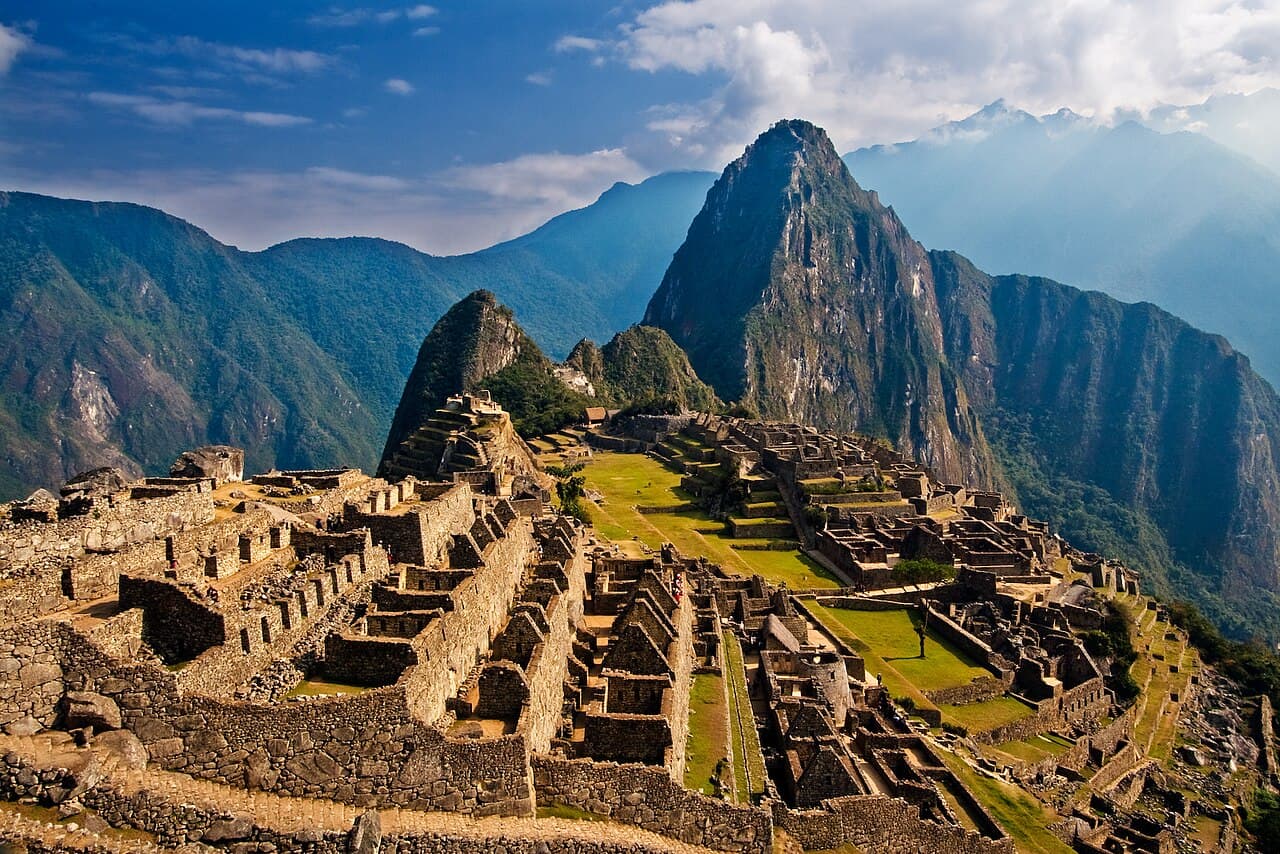
PeruPhoto: Pedro Szekely / Wikimedia Commons (CC BY-SA 2.0)

Peru

Country · PE · PEN · America/Lima

This information may change. Always check the official source.Last verified: August 2026 by

Most Western passports enter visa-free, but the officer handwrites 30, 60 or 90 days at their discretion and you cannot extend from inside the country. Peru has no visa on arrival at all.

  • Peru operates no visa on arrival of any kind. Arriving without one where you need it means being refused entry and flown back.
  • The officer grants 30, 60 or 90 days and writes it on the stamp by hand. Read what they wrote before you walk away - people plan a 90-day trip and are given 30.
  • There is no extension from inside Peru. If you need longer, you must leave the country and re-enter within the annual allowance.
  • Chinese and Indian nationals are exempt if they hold a valid US, Canadian, UK, Australian or Schengen visa or residence permit, for up to 180 days.
  • Proof of onward travel is checked and airlines enforce it at the gate. Passport valid at least 6 months with a blank page.
More details

How your entry route is decided

  1. Visa-free for tourism: EU and Schengen passports, the United Kingdom, the United States, Canada, Australia, Japan, South Korea, Malaysia, Singapore and most of Latin America.
  2. Chinese and Indian nationals are exempt if they hold someone else's visa. A valid visa or residence permit from the United States, Canada, the United Kingdom, Australia or a Schengen state allows visa-free entry for up to 180 days.
  3. Everyone else needs a consular visa in advance. Peru operates no visa on arrival of any kind, so arriving without one means being refused entry and flown back.

Passport rule: valid at least 6 months from the date of arrival, with at least one blank page.

The number of days is not up to you

Peruvian law allows a tourist up to 183 days in any 365, but the officer at the desk grants 30, 60 or 90 days and writes it on the stamp by hand. Two things follow:

  • Read what they wrote before you walk away. People plan a 90-day trip and are given 30.
  • There is no extension from inside Peru. If you need longer than you were given, you must leave the country and re-enter within the annual allowance.

Entry formalities

  • The entry record is digital, the Tarjeta Andina de Migracion (TAM Virtual). The officer scans the passport, logs the entry and stamps you in - there is no paper card to keep. You can look your record up later on the Migraciones Agencia Virtual portal.
  • Proof of onward travel is checked, and airlines enforce it at the gate. They will deny boarding without a verifiable onward ticket.
  • Declare cash or instruments over the equivalent of USD 10,000 to SUNAT.

Overstaying

  • The fine is 0.1% of the UIT tax unit per day - about S/ 5.15 a day on the 2024 UIT value of S/ 5,150, and it moves each year as the UIT is reset.
  • Fines are paid online through the Migraciones portal before you fly. They are not payable at the gate.
  • Entering overland without getting a physical stamp is illegal. An unstamped entry that is never regularised, or an unpaid overstay, leads to refusal of exit, formal deportation and a re-entry ban of up to 15 years.
Sources (3)

Peru prohibits carrying very large sums of cash outright, and anything archaeological is national property.

  • Archaeological objects may not be exported. Anything Inca or pre-Inca is state property; the replicas sold in Cusco need a receipt saying so, and the airport asks for it.
  • Coca leaves and coca tea may not be taken out. They are legal and everywhere in Cusco and illegal on arrival almost everywhere else.
  • There is a hard cap on cash, not just a declaration. Amounts over the declarable threshold must be reported, and carrying more than a higher fixed limit through the border is prohibited outright rather than merely taxed.
  • The allowance is a carton of cigarettes and a couple of litres of spirits per adult, plus a value cap on other goods.
More details
  • Archaeological objects may not be exported. Anything Inca or pre-Inca is state property; the replicas sold in Cusco need a receipt saying so, and the airport asks for it.
  • Coca leaves and coca tea may not be taken out. They are legal and everywhere in Cusco and illegal on arrival almost everywhere else.
  • There is a hard cap on cash, not just a declaration. Amounts over the declarable threshold must be reported, and carrying more than a higher fixed limit through the border is prohibited outright rather than merely taxed.
  • The allowance is a carton of cigarettes and a couple of litres of spirits per adult, plus a value cap on other goods.
  • Wildlife products are prohibited, which covers the items sold as condor feather or cat fur in tourist markets.
Sources (1)

Altitude is the health issue that actually affects most visitors - Cusco is 3,400 m and Puno 3,800 m. Do not drink the tap water, and consider yellow fever cover if you are going into the Amazon.

  • Altitude is what will actually affect you. Cusco sits at 3,400 m and Puno at 3,800 m, and soroche hits fit people as readily as anyone.
  • Give Cusco a full day before doing anything. Flying from Lima and starting a trek the next morning is the single most common planning mistake here.
  • First 24 hours: drink a lot of water, eat lightly, no alcohol, no exertion.
  • If a headache becomes severe, or you get confused or breathless at rest, descend. That is not ordinary soroche.
  • Tap water is not drinkable anywhere in Peru - bottled, boiled or purified only, and avoid unpeeled fruit washed in tap water.
More details

Altitude is what will actually affect you. Cusco sits at 3,400 m and Puno at 3,800 m, and altitude sickness (soroche) hits fit people as readily as anyone.

  • Give Cusco a full day before doing anything. Most itineraries fly Lima to Cusco and start a trek the next morning, which is the single most common planning mistake here.
  • First 24 hours: drink a lot of water, eat lightly, no alcohol, no exertion.
  • Remedies: acetazolamide (Diamox), started before ascent, is the medical option; local Sorojchi pills and coca tea are what everyone in Cusco uses. Hotels often have oxygen.
  • If a headache becomes severe, or you get confused or breathless at rest, descend. That is not ordinary soroche.

Water and food

Tap water is not drinkable anywhere in Peru. Bottled, boiled or purified only. Avoid unpasteurised dairy, raw street food and unpeeled fruit washed in tap water. Busy established restaurants are low risk.

Vaccinations and tropical disease

  • Yellow fever is recommended for the Amazon departments - Loreto, Madre de Dios, San Martin - and a certificate may be required for onward travel to other countries.
  • Routine: hepatitis A, typhoid and tetanus.
  • Dengue is present on the low coast and in the rainforest, peaking December to April. Malaria risk is limited mainly to rural northern Amazon (Loreto).

Hospitals and pharmacies

  • Private clinics have English-speaking staff and good standards: Clinica Delgado and Clinica Anglo Americana in Lima, Clinica Pardo in Cusco.
  • Public hospitals (ESSALUD and MINSA) are overcrowded and under-resourced.
  • Travel insurance including emergency evacuation is strongly recommended - evacuation from the Andes or the Amazon is expensive and sometimes the only option.
  • Pharmacies: InkaFarma and Mifarma are everywhere and sell painkillers and altitude medication over the counter. Controlled drugs need a prescription translated into Spanish.
Sources (2)

Lima

Long-term averages for Lima: the mean daily high, the mean overnight low and the mean monthly rainfall across 30 years of ERA5 reanalysis data (1995–2024).

DayNight
15202530°C025mmJanFebMarAprMayJunJulAugSepOctNovDecJanuary: Day 25 °C, Night 20 °C, Rain 13 mm. February: Day 26 °C, Night 21 °C, Rain 24 mm. March: Day 26 °C, Night 21 °C, Rain 20 mm. April: Day 24 °C, Night 19 °C, Rain 6 mm. May: Day 22 °C, Night 17 °C, Rain 1 mm. June: Day 21 °C, Night 16 °C, Rain 1 mm. July: Day 20 °C, Night 15 °C, Rain 1 mm. August: Day 20 °C, Night 15 °C, Rain 1 mm. September: Day 21 °C, Night 15 °C, Rain 1 mm. October: Day 21 °C, Night 16 °C, Rain 2 mm. November: Day 22 °C, Night 17 °C, Rain 2 mm. December: Day 24 °C, Night 18 °C, Rain 7 mm
Show the monthly table
Lima
MonthDay (°C)Night (°C)Rain (mm)
January252013
February262124
March262120
April24196
May22171
June21161
July20151
August20151
September21151
October21162
November22172
December24187

Cusco

Long-term averages for Cusco: the mean daily high, the mean overnight low and the mean monthly rainfall across 30 years of ERA5 reanalysis data (1995–2024).

DayNight
5101520°C0250mmJanFebMarAprMayJunJulAugSepOctNovDecJanuary: Day 16 °C, Night 8 °C, Rain 234 mm. February: Day 16 °C, Night 8 °C, Rain 211 mm. March: Day 16 °C, Night 8 °C, Rain 166 mm. April: Day 16 °C, Night 7 °C, Rain 73 mm. May: Day 16 °C, Night 6 °C, Rain 27 mm. June: Day 16 °C, Night 5 °C, Rain 9 mm. July: Day 16 °C, Night 5 °C, Rain 11 mm. August: Day 17 °C, Night 5 °C, Rain 21 mm. September: Day 17 °C, Night 7 °C, Rain 37 mm. October: Day 17 °C, Night 8 °C, Rain 82 mm. November: Day 17 °C, Night 8 °C, Rain 123 mm. December: Day 16 °C, Night 8 °C, Rain 193 mm
Show the monthly table
Cusco
MonthDay (°C)Night (°C)Rain (mm)
January168234
February168211
March168166
April16773
May16627
June1659
July16511
August17521
September17737
October17882
November178123
December168193

Iquitos

Long-term averages for Iquitos: the mean daily high, the mean overnight low and the mean monthly rainfall across 30 years of ERA5 reanalysis data (1995–2024).

DayNight
20253035°C0500mmJanFebMarAprMayJunJulAugSepOctNovDecJanuary: Day 30 °C, Night 24 °C, Rain 243 mm. February: Day 30 °C, Night 24 °C, Rain 228 mm. March: Day 30 °C, Night 24 °C, Rain 297 mm. April: Day 30 °C, Night 23 °C, Rain 301 mm. May: Day 29 °C, Night 23 °C, Rain 277 mm. June: Day 28 °C, Night 23 °C, Rain 206 mm. July: Day 28 °C, Night 22 °C, Rain 164 mm. August: Day 30 °C, Night 23 °C, Rain 146 mm. September: Day 30 °C, Night 23 °C, Rain 159 mm. October: Day 31 °C, Night 24 °C, Rain 197 mm. November: Day 30 °C, Night 24 °C, Rain 232 mm. December: Day 30 °C, Night 24 °C, Rain 260 mm
Show the monthly table
Iquitos
MonthDay (°C)Night (°C)Rain (mm)
January3024243
February3024228
March3024297
April3023301
May2923277
June2823206
July2822164
August3023146
September3023159
October3124197
November3024232
December3024260
Sources (1)

Foreign tourists are legally exempt from the 18% IGV on hotel rooms - show your passport and entry record at check-in and insist on it. Stay in Miraflores for a first night in Lima.

  • Do not pay the 18% VAT on your hotel room. Non-resident foreign tourists are legally exempt from it on accommodation.
  • To claim it, show your physical passport and proof of legal entry at check-in. Reception will not always volunteer this - ask, because on a two-week trip it is real money.
  • In Lima, Miraflores is the default - secure, walkable, on the coast, and where the airport bus goes. Barranco next door has the best food and bars.
  • In Cusco, San Blas is steep, which matters more than you expect at 3,400 m with luggage.
  • Ask whether Andean hotel rooms have heating - many do not, and Cusco nights are cold all year. Better hotels offer supplemental oxygen.
More details

Do not pay the 18% VAT on your hotel room. Under Decree Law 919, non-resident foreign tourists are exempt from IGV on accommodation. To claim it you must show, at check-in:

  • your physical passport, and
  • proof of legal entry through the TAM Virtual system, showing a continuous stay of under 60 days.

Reception will not always volunteer this. Ask. On a two-week trip it is real money. Note that some high-end hotels add an optional 10% service charge separately.

Accommodation in Peru
TypePrice per night
Hostel dorm bedS/ 35 to 70
Mid-range hotel or private rentalS/ 150 to 350
Luxury or boutiqueS/ 600 to 1,800 and up

Platforms: Booking.com, Airbnb, Hostelworld and the South American portal Despegar.

Where to stay for a first visit

  • Lima: Miraflores is the default - secure, walkable, on the coast, and where the airport bus goes. Barranco next door is the bohemian option with the best food and bars. San Isidro is quiet, upmarket and financial.
  • Cusco: the Centro Historico around the Plaza de Armas, or San Blas on the cobbled hillside above it. Note that San Blas is steep, which matters more than you expect at 3,400 m with luggage.
  • Arequipa: the Centro Historico near the Plaza de Armas, or quieter Yanahuara.

In Andean hotels, ask whether rooms have heating - many do not, and Cusco nights are cold all year. Better hotels offer supplemental oxygen.

Sources (2)

A SIM at Lima airport costs S/ 60 to S/ 120; the same thing in a Miraflores shop is S/ 5 to S/ 10 for the chip plus S/ 15 to S/ 30 for data. Claro has the best coverage in the Andes, and biometric passport registration is required.

  • Wait until you are in town - the airport markup is roughly tenfold. Lima airport kiosks want S/ 60 to S/ 120 for limited data.
  • In a city store the chip is S/ 5 to S/ 10 and a 30-day package with 5 GB to 15 GB is S/ 15 to S/ 30.
  • Claro has the broadest national footprint and is the right choice for Cusco, the Sacred Valley or anywhere mountainous.
  • Every SIM activation requires passport registration and a fingerprint in person at an authorised outlet. There is no way around it, which is the main argument for an eSIM.
  • Download offline maps before you go up into the Andes. Coverage on the highways is decent but the trails are not.
More details

Wait until you are in town. The airport markup here is roughly tenfold.

  • At Jorge Chavez airport, kiosks in international arrivals sell tourist packages at S/ 60 to S/ 120 for limited data.
  • In a city store in Miraflores or central Arequipa, the chip is S/ 5 to S/ 10 and a 30-day package with 5 GB to 15 GB is S/ 15 to S/ 30.

The networks

  • Claro has the broadest national footprint - the coast, the Andean highways and the population centres. The right choice if you are going to Cusco, the Sacred Valley or anywhere mountainous.
  • Movistar has a strong urban network and wide national reach.
  • Entel is fast in Lima and Arequipa and reliable in the big cities.
  • Bitel is the budget option and surprisingly good in rural provinces, at S/ 10 to S/ 20 for 3 GB to 10 GB.

Registration

OSIPTEL requires passport registration and biometric capture for every SIM activation. You must go to an authorised operator outlet in person with the physical passport and have your fingerprint taken. There is no way around this for a local SIM, which is the main argument for an eSIM.

eSIM

  • Claro, Movistar, Entel and the local tourist provider PeruSIM all support eSIM. PeruSIM rides on Claro at S/ 50 to S/ 90 for 10 GB to 25 GB - more than a local SIM, less than the airport, and no biometric queue.
  • An international eSIM - Saily, from USD 4.99 for 1 GB over 7 days - roams on Claro or Movistar and works the moment you land.

Download offline maps before you go up into the Andes. Coverage on the highways is decent but the trails are not.

Sources (3)

Peruvian sockets take American flat pins but run at 220 V, so a US appliance that fits can still be destroyed.

  • This is the mismatch that kills appliances. A US hair dryer or shaver fits the socket and receives 220 V. Check every label for 100-240 V.
  • Most sockets are hybrids taking flat American pins and round European ones, so a Europlug usually fits too.
  • British and Australian plugs need an adapter.
  • Earthing is patchy outside newer buildings, and highland towns run supplies that dip when the evening load comes on.
  • 60 Hz at 220 V is an unusual pairing shared with the Philippines and South Korea, and matters only for mains-timed motors.
More details

Sockets in Peru are Type , and at 220 V, 60 Hz - American plug shapes carrying twice the American voltage.

  • This is the mismatch that kills appliances. A US hair dryer or shaver fits the socket and receives 220 V. Check every label for 100-240 V.
  • Most sockets are hybrids taking flat American pins and round European ones, so a Europlug usually fits too.
  • British and Australian plugs need an adapter.
  • Earthing is patchy outside newer buildings, and highland towns run supplies that dip when the evening load comes on.
  • 60 Hz at 220 V is an unusual pairing shared with the Philippines and South Korea, and matters only for mains-timed motors.
Sources (1)

220V on Type and sockets - an unusual combination that destroys 110V devices with a flat American plug. UTC-5 all year, and toilet paper goes in the bin.

  • Power is a trap here. Peru runs at 220V but sockets accept flat North American type plugs as well as round type .
  • A 110V American appliance will physically fit and then be destroyed. Check your device says 100-240V before plugging anything in.
  • Toilet paper goes in the bin beside the toilet. The sewers cannot process it, and this applies everywhere including good hotels.
  • Fiestas Patrias in late July is the big holiday - the whole country travels and transport and hotels sell out.
  • Nights are cold in the highlands all year. Cusco in July drops below freezing at night while being pleasant at midday, so pack layers.
More details
  • Power is a trap here. Peru runs at 220V, 60 Hz, but sockets accept both flat two-pin Type (North American) and round Type plugs. A 110V American appliance will physically fit and then be destroyed. Check your device says 100-240V before plugging anything in.
  • Time: UTC-5 all year, no daylight saving.
  • Tap water: not drinkable.
  • Language: Spanish, with Quechua and Aymara official in their regions. English is spoken in hotels and tour agencies and almost nowhere else.

Hours and holidays

  • Shops 09:00 or 10:00 to 20:00 or 21:00, daily. Banks 09:00 to 18:00 weekdays and 09:00 to 13:00 on Saturdays.
  • Public holidays: 1 January, Holy Thursday and Good Friday, 1 May, 28 and 29 July (Fiestas Patrias), 30 August, 8 October, 1 November, 8 December and 25 December. Fiestas Patrias is the big one - the whole country travels and transport and hotels sell out.

Small things

  • Toilet paper goes in the bin beside the toilet. The sewers cannot process it. This applies everywhere, including good hotels.
  • Cover shoulders and knees in historic churches.
  • Do not question whether pisco is Peruvian. It is a genuinely sensitive subject, and the joke about Chile is not funny here.
  • Nights are cold in the highlands all year. Cusco in July drops below freezing at night while being pleasant at midday - pack layers rather than warm-weather clothing.
Sources (1)

Cash still rules outside the smart districts. MultiRed ATMs charge no local fee and give up to S/ 2,000; commercial banks charge S/ 15 to S/ 35 and cap you at S/ 700. Check your change - counterfeit notes are handed back to tourists routinely.

  • MultiRed ATMs are the ones to find - no local fee on a foreign card and a S/ 2,000 single withdrawal limit.
  • Commercial banks are much worse, charging S/ 15 to S/ 35 per withdrawal and capping you at S/ 400 to S/ 700, which is a punishing combination.
  • Counterfeit note swapping is routine - your genuine S/ 50 is exchanged for a fake and handed back as "no good".
  • Pay with small notes where you can and look at any note handed back to you. Real ones have a clear watermark and a raised, rough feel.
  • Airport exchange is 10% to 15% below market, so change a minimum there and use a casa de cambio in town for anything larger.
More details

Money and paying for things

Peru uses the Peruvian sol (PEN, S/).

  • Cash is still the default for street food, combis, taxis, craft markets and anywhere outside a city centre. Cards work in hotels, supermarkets and formal restaurants in Lima, Cusco and Arequipa.
  • MultiRed ATMs (Banco de la Nacion) are the ones to find. No local terminal fee on a foreign card and a single withdrawal limit of S/ 2,000.
  • Commercial banks are much worse: BCP, Interbank and BBVA charge S/ 15 to S/ 35 per foreign-card withdrawal and cap single withdrawals at S/ 400 to S/ 700. That combination is punishing.
  • Never use a standalone street machine - skimming risk plus the worst fees.
  • Decline dynamic currency conversion and choose PEN; the markup for accepting is 5% to 12%.
  • Airport exchange is 10% to 15% below market. Change a minimum there and use a casa de cambio in Miraflores, or a licensed librecambista in an official numbered vest, for anything larger.

Check your notes

Counterfeit note swapping is a routine scam here. A taxi driver or vendor takes your genuine S/ 50 or S/ 100, hands back a fake and says yours was no good. Two habits defeat it: pay with small notes where you can, and look at any note handed back to you - real ones have a clear watermark and a raised, rough feel to the printing.

Tipping

Not customary in picanterias or chifas. 10% in a mid-range or upmarket urban restaurant for good service. Hotel porters get S/ 2 to S/ 5 a bag.

What things cost

Money and payments in Peru
ItemTypical price
Espresso or cappuccinoS/ 8 to 15
Menu del dia set lunchS/ 10 to 20
Mid-range restaurant, per personS/ 35 to 80
Bottled water, 1 litreS/ 2.50 to 5
Combi or Metropolitano fareS/ 1.50 to 3.20
Taxi, per kilometreS/ 3 to 5, base S/ 7 to 10
Sources (2)

Everyday prices

Typical prices in Peruvian sol (PEN), averaged across the country by Numbeo and read on 12 August 2026. Tick Convert prices above the table to see every amount in your own currency.

Everyday prices
ItemTypical price
Inexpensive restaurant meal12 PEN
Dinner for two, mid-range, three courses100 PEN
Cappuccino10 PEN
Local draught beer, 0.5 l8.00 PEN
Bottled water, 0.33 l1.81 PEN
Public transport, one-way ticket2.00 PEN
Taxi, starting fare8.00 PEN
Petrol, 1 litre5.34 PEN
Cigarettes, pack of 20 (Marlboro)20 PEN
Average net monthly salary1,930 PEN

These are country-wide averages, not a price list: tourist districts, airports and islands sit well above them, and small towns below. The salary line is there for proportion - it is what people living here actually earn.

Sources (1)

Airport guides for Peru3

One page per airport: the routes into town, what they cost and the trap particular to that arrival.

See all 3 airports

Airport Express Lima to Miraflores is S/ 15, an official taxi S/ 60 to S/ 95, Uber S/ 40 to S/ 70. Do not walk out to the main road to find a cheap combi - that stretch of Avenida Morales Duarez is genuinely dangerous.

  • Do not leave Lima airport on foot. The walk out to the main road to catch a cheap minibus crosses an area with a real risk of violent robbery, and the saving is a few soles.
  • The Airport Express to Miraflores is S/ 15, hourly from 07:00 to 22:00, booked at the counter inside arrivals. Touts will tell you the bus is cancelled - it is not.
  • Official airport taxis are S/ 60 to S/ 95 from staffed counters inside arrivals. Agree the total at the counter, because drivers add tolls and parking surcharges on arrival.
  • Uber, Cabify or DiDi run S/ 40 to S/ 70 from parking zone E1. If the driver rings to propose a cash fare off the app, cancel and rebook.
  • Metro Line 2 does not serve the new terminal, so ignore anything that routes you to its "Aeropuerto" station.
More details

Jorge Chavez International Airport (LIM)

One safety point comes before everything else: do not leave the airport perimeter on foot. Combis are barred from airport property, and the walk out to Avenida Morales Duarez to catch one crosses an area with a real risk of violent robbery. The saving is a few soles. It is not worth it.

  • Airport Express Lima - S/ 15 per person, 45 to 70 minutes. The official bus to Miraflores, hourly from 07:00 to 22:00, booked at the counter inside the arrivals hall near exits 2 and 3. In peak traffic it can take 90 minutes or more. Touts inside arrivals will tell you the bus is cancelled. It is not.
  • Official airport taxi - S/ 60 to S/ 75 off-peak, S/ 80 to S/ 95 at peak. Taxi Green, Taxi Directo and Taxi 365 all have staffed counters inside arrivals and escort you to the car. Agree the total at the counter: the recurring complaint is drivers adding tolls and parking surcharges on arrival.
  • Uber, Cabify or DiDi - S/ 40 to S/ 70, subject to surge. Pickup is in parking zone E1. If the driver rings to propose a cash fare off the app, cancel and rebook - that is the setup for an overcharge and it removes the trip record.
  • Pre-booked private transfer - S/ 75 to S/ 110, met inside arrivals with a name board.

Metro Line 2 does not serve the new terminal. Its "Aeropuerto" station sits near the old terminal site and is still under construction, so ignore anything that routes you there.

International transit passengers: since 7 December 2025, an international-to-international connection through LIM carries a Transfer TUUA fee of about USD 11.86 per connection, paid online or at counters and mobile card terminals along the transit route. Budget the time for it.

Sources (2)

Getting around the city, and which apps to install

Uber, Cabify, DiDi and inDrive all work in Lima and are what you should use instead of street taxis. Lima has two transit cards that do not talk to each other, and Yape and Plin are closed to foreigners.

  • Use an app, not a street taxi. Unlicensed taxis are the setting for express kidnapping in Lima, and the apps cost about the same.
  • Lima has two separate transit cards that are not interchangeable - one for the bus rapid transit, another for the metro line.
  • Yape and Plin, the payment apps everyone uses, are closed to you - both need a Peruvian ID tied to a local bank account.
  • Book the Machu Picchu trains well ahead. They sell out and there is no alternative road.
  • Andean highways close in the wet season. From January to March mudslides regularly block roads and damage rail track, so build slack into the itinerary.
More details

Use an app, not a street taxi. Unlicensed taxis are the setting for express kidnapping in Lima, and the apps cost about the same.

  • Uber, Cabify, DiDi and inDrive all operate in Lima, Arequipa and Cusco. Uber and Cabify bill a foreign card directly; inDrive runs on fare bidding and expects cash or a local transfer.
  • Lima has two separate transit cards. The Metropolitano BRT needs its own card at S/ 4.50 with a flat S/ 3.20 fare; Metro de Lima line 1 needs a different card at S/ 5.00 with a S/ 1.50 fare. They are not interchangeable. Moovit handles routing.
  • Yape and Plin, the payment apps everyone uses, are closed to you. Both require a Peruvian DNI or foreigner ID card tied to a local bank account. Foreign visitors pay cash or card.

Between cities

  • Long-distance coaches are the backbone. Cruz del Sur, Oltursa, Civa and Movil Bus run proper reclining overnight services; Peru Hop is the hop-on tourist network. Book through RedBus.pe or CheckMyBus.
  • Trains to Machu Picchu run from Cusco and Ollantaytambo to Aguas Calientes, operated by PeruRail and Inca Rail. Book these well ahead - they sell out and there is no alternative road.
  • Andean highways close in the wet season. From January to March, huaicos - mudslides - regularly block roads and damage rail track. Build slack into any January-to-March itinerary that crosses the mountains.

Traffic does not yield to pedestrians, including at marked crossings. Treat every crossing as unprotected.

Apps and platforms

Uber and Cabify for rides, RedBus for coaches, PeruRail for Machu Picchu, and offline maps for anywhere above the tree line.

  • Uber - https://www.uber.com/pe/ - Works in Lima, Arequipa and Cusco, takes foreign cards.
  • Cabify - https://cabify.com/peru - Often the better-regulated option in Lima.
  • DiDi - https://web.didiglobal.com/pe/ - Usually the cheapest of the three.
  • RedBus - https://redbus.pe/ - Intercity coach tickets across all the main operators.
  • PeruRail - https://www.perurail.com/ - Trains to Aguas Calientes for Machu Picchu. Inca Rail at https://incarail.com/ is the alternative.
More details
Sources (3)

Peruvian toll booths are frequent, Lima traffic is severe, and the altitude affects the car as much as the driver.

  • Toll booths are frequent on the coastal highway and take cash and cards.
  • Lima traffic is among the worst in the Americas and the informal buses make lane discipline theoretical.
  • Altitude affects engines as well as people. Naturally aspirated cars lose power above 3,500 m, and the passes to Huaraz and Cusco go higher than that.
  • The alcohol limit is 0.05 %, and penalties above it are severe.
  • Night driving between cities is discouraged by the official advice: unlit vehicles, fog on the passes and robbery on some routes.
More details

Frequent peajes on the Panamericana, hard city traffic, and roads that climb above 4,000 m.

  • Toll booths are frequent on the coastal highway and take cash and cards.
  • Lima traffic is among the worst in the Americas and the informal buses make lane discipline theoretical.
  • Altitude affects engines as well as people. Naturally aspirated cars lose power above 3,500 m, and the passes to Huaraz and Cusco go higher than that.
  • The alcohol limit is 0.05 %, and penalties above it are severe.
  • Night driving between cities is discouraged by the official advice: unlit vehicles, fog on the passes and robbery on some routes.
Sources (1)

Level 2 for opportunistic crime and demonstrations. The specific risks are unlicensed taxis, the mustard-spill distraction, and counterfeit notes. Coca tea is legal in Peru and illegal to take home.

  • Peru sits at "exercise increased caution" for street robbery and periodic demonstrations, whose roadblocks can close highways and rail lines at short notice.
  • The mustard or spill scam: something is squirted on your clothes, a helpful stranger cleans you up, and your bag goes.
  • Express kidnapping in unlicensed taxis means being driven between ATMs to withdraw daily limits. That is the reason to use an app rather than a street taxi.
  • A rucksack hung on the back of a restaurant chair is gone in seconds. Keep it on your lap or between your feet.
  • Coca tea is entirely legal and normal here and illegal to take home, and raw leaves will also show on a drug test.
More details

Peru sits at Level 2, exercise increased caution, for street robbery and periodic social demonstrations. Roadblocks during protests can close highways and rail lines at short notice, including around Cusco.

The scams

  • The mustard or spill scam: something is squirted on your clothes, a helpful stranger cleans you up, your bag goes.
  • Counterfeit note swapping: your genuine S/ 50 or S/ 100 is exchanged for a fake and handed back as "no good".
  • Express kidnapping in unlicensed taxis: driven between ATMs and made to withdraw daily limits. This is the reason to use Uber or Cabify rather than a street taxi.
  • Bag theft in restaurants: a rucksack hung on the back of a chair is gone in seconds. Keep it on your lap or between your feet.

Areas to avoid

  • Lima: Callao outside the secured airport corridor, La Victoria, Rimac, El Agustino, and the peripheral settlements after dark.
  • Cusco: the streets around San Pedro Market late at night.

Nature and roads

  • Peru is seismically active.
  • Huaicos - mudslides - from January to March regularly block Andean highways and damage railway track.
  • Traffic is aggressive and does not yield to pedestrians, marked crossings included.

Law and social climate

  • Drug sentences are severe: 8 to 25 years for possession, purchase or trafficking.
  • Coca is a special case. Chewing coca leaves and drinking coca tea is entirely legal and normal in Peru, and it is offered everywhere in the highlands. Taking raw coca leaves or products out of the country is illegal, and they will also show on a drug test at home.
  • Solo and female travellers: catcalling is common in cities; the standing advice is not to walk alone after dark in unlit areas and to use Uber, Cabify or hotel transport.
  • LGBTQ+: same-sex relations are legal; attitudes are conservative nationally and considerably more relaxed in Miraflores and Barranco.
Sources (2)

105 for police, 106 for an ambulance, 116 for fire. iPeru on +51 1 574 8000 gives free tourist assistance in English 24 hours a day and is the number most visitors actually need.

  • 105 is police, 106 an ambulance, 116 fire.
  • iPeru is the number to save - free tourist assistance staffed in English, 24 hours a day.
  • It handles the things that are wrong but not life-threatening: a dispute with an operator, a theft, a cancelled train, not knowing where to go.
  • A lost passport means a police report first, then your embassy in Lima for an emergency travel document.
  • Update your digital entry record before you go to the airport. Skipping it causes a problem at departure, because your exit must match a valid entry.
More details

Emergency numbers

  • 105 - Policia Nacional del Peru
  • 106 - SAMU medical emergency and ambulance
  • 116 - Cuerpo General de Bomberos, fire
  • +51 1 460 1060 - POLTUR, the tourist police, also on WhatsApp at +51 980 122 335
  • +51 1 574 8000 - iPeru, free tourist assistance in English, 24 hours a day

iPeru is the number to save. It is a national tourist assistance service, staffed in English, and it handles the things that are wrong but not life-threatening: a dispute with an operator, a theft, a cancelled train, not knowing where to go.

If your passport is lost or stolen

  1. File a denuncia policial at the nearest police station immediately.
  2. Contact your embassy in Lima for an emergency travel document.
  3. Update your TAM Virtual record online or at a Migraciones office before you go to the airport. Skipping this causes a problem at departure, because your exit has to match a valid entry record.

Embassies in Lima

  • United States - Avenida La Encalada, cuadra 17, Surco - +51 1 618 2000
  • United Kingdom - Avenida Larco 1301, floor 22, Miraflores
  • Canada - Avenida Bolognesi 850, Miraflores - +51 1 319 3200
  • Australia - Avenida La Encalada 1388, Surco
  • Czech Republic - Baltazar la Torre 398, San Isidro
Sources (3)