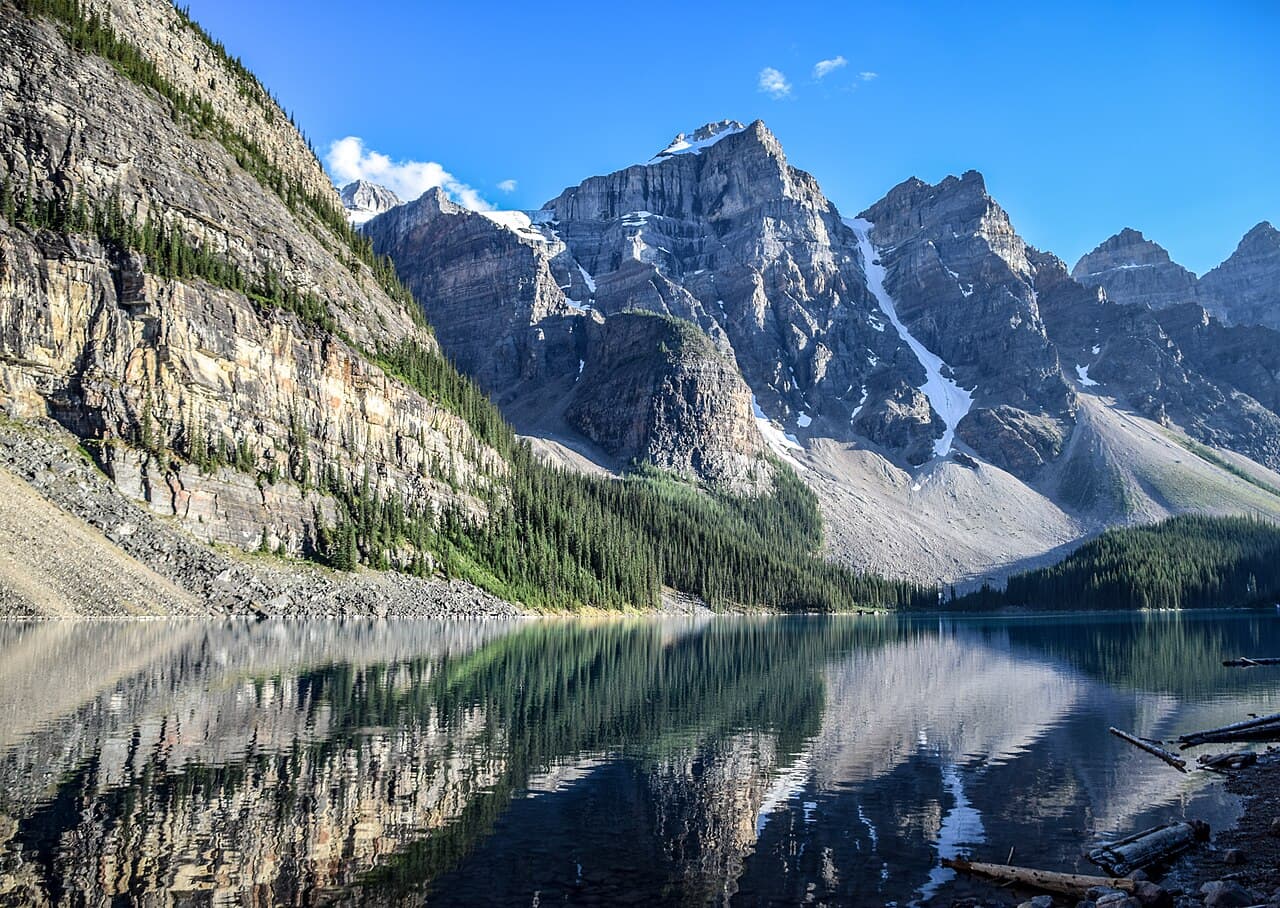
CanadaPhoto: Terry Ott / Wikimedia Commons (CC BY 2.0)

Canada

Country · CA · CAD · America/Toronto

This information may change. Always check the official source.Last verified: August 2026 by

Visa and entry in Canada

Most visa-exempt travellers need an eTA, it costs CAD 7, and it is only needed if you fly. Americans need neither. The stay is normally 6 months, not the 90 days people assume.

  • Visitors are normally admitted for 6 months, not the 90 days people assume, and the paperwork before you fly is a CAD 7 eTA rather than a visa.
  • The eTA is only needed if you arrive or transit by air. Drive across from the United States and a visa-exempt traveller needs none at all.
  • Americans need neither an eTA nor a visa, though US permanent residents do need one and must carry the green card alongside their own passport.
  • The only official site is canada.ca and the fee is CAD 7. Resellers charge CAD 60 to CAD 100 for filling in the same form - if the page quotes anything else, close it.
  • Canadian citizens must enter on a Canadian passport. Airlines will not board a dual national to Canada on the other passport, and this strands people every year.
More details

The one document most people need

Canada does not stamp a 90-day tourist visa into your passport. Visitors are normally admitted for 6 months, and the paperwork before you fly is a CAD 7 electronic travel authorization rather than a visa.

  • The eTA costs CAD 7. That is the whole fee. Most applications are approved within minutes, it stays valid for 5 years or until your passport expires, whichever comes first, and it is tied electronically to the passport you applied with.
  • It is only needed if you arrive or transit by air. Drive across from the United States, or arrive by sea, and a visa-exempt traveller needs no eTA at all. This catches people who fly into Seattle and drive to Vancouver, and it works in your favour rather than against you.
  • Americans need neither an eTA nor a visa. US citizens are exempt entirely. US lawful permanent residents do need an eTA, and must travel with the green card alongside their own passport.
  • 6 months is the normal admission, and it is the officer's to give. Nothing is stamped in many cases; if no date is written, you are admitted for 6 months from the day you arrive. Ask for a stamp if you want the date fixed in writing.

Pay CAD 7 and nothing more

The single most common way to lose money on a trip to Canada is the eTA itself. Search results are thick with sites that fill in the same form for you and charge CAD 60 to CAD 100 for it.

  • The only official site is canada.ca. If the page you are on quotes anything other than CAD 7, close it.
  • Apply yourself, before you book if you can. Approval is usually minutes, but a small share of applications go to manual review and take days.
  • Do not apply again if the first one is still pending. Duplicate applications against the same passport are a common cause of delay.

Where your nationality lands

Visa and entry in Canada
You holdWhat you need to fly in
United StatesNothing. No eTA, no visa
UK, EU, Australia, Japan, South Korea, Singapore, TaiwaneTA, CAD 7
MalaysiaVisitor visa, unless you hold a Canadian visa from the past 10 years or a valid US non-immigrant visa, in which case an eTA
China, India, Cambodia, Russia, Saudi ArabiaVisitor visa, applied for in advance
  • Taiwanese passports qualify for the eTA only if the passport shows a personal identification number on the data page. Without one, it is a visa.
  • Malaysia's route opened on 26 May 2026, and it is conditional rather than general. It applies to air travel only, and only to people who already hold a recent Canadian visa or a current US non-immigrant visa; everyone else still applies for a visitor visa.
  • The visitor visa costs CAD 100, plus CAD 85 for biometrics in most cases, so about CAD 185 per adult. IRCC's published average is around 30 days but the real wait varies enormously by where you apply from.
  • Canadian citizens must enter on a Canadian passport. If you hold Canadian citizenship alongside another nationality, airlines will not board you to Canada on the other passport. This is a rule that strands dual nationals every year.

The border officer, and what actually gets people turned away

Admission is decided at the desk, not by the eTA. A drink-driving conviction is the single biggest cause of refusal, and it surprises people from countries where it is a minor matter.

  • An approved eTA gets you onto the plane; a border officer decides whether you come in, and they do refuse people holding a perfectly valid authorization.
  • A drink-driving conviction can make you inadmissible. Canada treats impaired driving as serious criminality, so sort out rehabilitation or a permit before you fly rather than arguing at the border.
  • Do not carry cannabis across the border in either direction, ever - including CBD, including from a US state where it is legal. This is the trap that catches the most otherwise careful travellers.
  • Declare food, plants and anything from a farm. The form asks specifically whether you have been on a farm; the honest answer costs nothing and the dishonest one is expensive.
  • Have an answer about where you are staying and when you leave. Onward tickets, an address and evidence you can pay your way are all fair questions at the desk.
More details

The eTA is permission to board, not permission to enter

An approved eTA gets you onto the plane. A Canada Border Services officer decides whether you come in, and they can and do refuse people who hold a perfectly valid authorization.

  • Have an answer about where you are staying and when you leave. Onward tickets, an address and evidence you can pay your way are all fair questions at the desk.
  • A drink-driving conviction can make you inadmissible. Canada treats impaired driving as serious criminality, and a conviction that was a fine and a short ban at home can be enough to be refused entry years later. If this applies to you, look into rehabilitation or a temporary resident permit before you fly rather than arguing it at the border.
  • Do not bring cannabis in either direction, ever. It is legal to buy and use inside Canada and a federal offence to carry across the border, including CBD, including from a US state where it is legal. This is the trap that catches the largest number of otherwise careful travellers.
  • Declare food, plants and anything from a farm. Undeclared food is confiscated and fined; the customs form asks specifically whether you have been on a farm, and the honest answer costs you nothing while the dishonest one is expensive.
  • Children travelling with one parent need a consent letter from the other. Canada is stricter about this than most countries and officers do ask.
Sources (4)

Canada's allowance depends on how long you were away, and cannabis may not cross the border in either direction despite being legal on both sides of some of it.

  • Cannabis may not be taken across the border. It is legal in Canada and in several neighbouring US states, and carrying it between them is still a federal offence on both sides. This is the single most common mistake at the land crossings.
  • The exemption depends on time away: CAD 800 of goods after 48 hours, CAD 200 after 24, and nothing on a same-day trip.
  • Alcohol is a choice, not a sum - 1.14 litres of spirits or 1.5 litres of wine or 8.5 litres of beer - and only after 48 hours away. Tobacco is 200 cigarettes on the same condition.
  • CAD 10,000 or more must be reported, in any currency, and it is the group total rather than the individual one.
  • Firearms must be declared in writing, and handguns are effectively barred to visitors.
More details
  • Cannabis may not be taken across the border. It is legal in Canada and in several neighbouring US states, and carrying it between them is still a federal offence on both sides. This is the single most common mistake at the land crossings.
  • The exemption depends on time away: CAD 800 of goods after 48 hours, CAD 200 after 24, and nothing on a same-day trip.
  • Alcohol is a choice, not a sum - 1.14 litres of spirits or 1.5 litres of wine or 8.5 litres of beer - and only after 48 hours away. Tobacco is 200 cigarettes on the same condition.
  • CAD 10,000 or more must be reported, in any currency, and it is the group total rather than the individual one.
  • Firearms must be declared in writing, and handguns are effectively barred to visitors.
  • Food, plants and firewood are restricted, and the declaration card asks about all three.
Sources (1)

Canada has universal healthcare and you are not in it. An uninsured hospital stay runs to thousands of dollars a day, and this is the single most expensive mistake a visitor can make.

  • Canada's public system covers residents and it does not cover you. Expect CAD 1,000 or more a day for a hospital bed, and an air ambulance out of a remote area can run past CAD 100,000.
  • Check the ceiling on your policy - one capped at CAD 50,000 is thin for Canada - and declare pre-existing conditions honestly, because undeclared ones are the standard reason a big claim is refused.
  • Holding Canadian citizenship does not give you provincial health cover. That requires residency, and returning Canadians face a waiting period.
  • Walk-in clinics handle anything not urgent at CAD 100 to CAD 300 paid up front, far less than an emergency room where a six-hour wait is unremarkable. Pharmacists can prescribe for minor ailments in most provinces.
  • Ticks are the underrated risk. Lyme disease is established across southern Ontario, Quebec, the Maritimes and parts of Manitoba - cover up on wooded trails and check yourself afterwards.
More details

Insurance is not optional here

Canada's public system covers residents. It does not cover you. Walking into an emergency room as a visitor means walking out with a bill.

  • Expect CAD 1,000 or more a day for a hospital bed, and multiples of that in intensive care. An air ambulance out of a remote area can run past CAD 100,000.
  • Buy travel insurance with medical cover and check the ceiling. A policy capped at CAD 50,000 is thin for Canada.
  • Dual nationals are frequently caught out. Holding Canadian citizenship does not give you provincial health cover; that requires residency in a province, and returning Canadians face a waiting period. Being born here is not a policy.
  • Declare pre-existing conditions honestly on the insurance application. Undeclared conditions are the standard reason a large claim gets refused.

Getting seen

  • 911 for an ambulance, and note that ambulances are billed even to residents in most provinces. For a visitor, a few hundred dollars is normal.
  • Walk-in clinics handle anything not urgent and cost far less than an emergency room. Search "walk-in clinic" plus the city; expect to pay up front, typically CAD 100 to CAD 300, and claim it back.
  • Emergency room waits are long for anything not life-threatening. Six hours is unremarkable. Triage is by severity and nothing else.
  • Pharmacies are excellent and pharmacists have real scope. In most provinces they can prescribe for minor ailments directly, which saves a clinic visit entirely.

What actually makes visitors ill

  • Tap water is safe everywhere in the settled south. Many First Nations communities have long-standing boil-water advisories, so in the far north check locally.
  • Ticks are the underrated risk. Lyme disease is established across southern Ontario, Quebec, the Maritimes and parts of Manitoba. Cover up on wooded trails, check yourself afterwards, and remove any tick promptly with fine tweezers.
  • Mosquitoes carry West Nile virus in summer, mostly in the southern prairies and southern Ontario. Repellent handles it.
  • Altitude affects people in the Rockies. Banff sits around 1,400 m and Lake Louise higher; the hikes go well above that. Ascend gradually and drink more water than feels necessary.
  • The sun is stronger than the temperature suggests, especially on snow and on the water. Sunburn in the mountains in March is routine.
  • Wildfire smoke is a health event and not just an inconvenience. See the safety section for the AQHI thresholds that matter.
Sources (2)

Toronto

Long-term averages for Toronto: the mean daily high, the mean overnight low and the mean monthly rainfall across 30 years of ERA5 reanalysis data (1995–2024).

DayNight
-100102030°C0100mmJanFebMarAprMayJunJulAugSepOctNovDecJanuary: Day 0 °C, Night -7 °C, Rain 63 mm. February: Day 0 °C, Night -7 °C, Rain 54 mm. March: Day 5 °C, Night -3 °C, Rain 58 mm. April: Day 10 °C, Night 2 °C, Rain 80 mm. May: Day 17 °C, Night 9 °C, Rain 73 mm. June: Day 23 °C, Night 15 °C, Rain 83 mm. July: Day 26 °C, Night 18 °C, Rain 73 mm. August: Day 25 °C, Night 18 °C, Rain 64 mm. September: Day 22 °C, Night 15 °C, Rain 70 mm. October: Day 15 °C, Night 9 °C, Rain 77 mm. November: Day 8 °C, Night 2 °C, Rain 64 mm. December: Day 3 °C, Night -3 °C, Rain 66 mm
Show the monthly table
Toronto
MonthDay (°C)Night (°C)Rain (mm)
January0-763
February0-754
March5-358
April10280
May17973
June231583
July261873
August251864
September221570
October15977
November8264
December3-366

Vancouver

Long-term averages for Vancouver: the mean daily high, the mean overnight low and the mean monthly rainfall across 30 years of ERA5 reanalysis data (1995–2024).

DayNight
0510152025°C0500mmJanFebMarAprMayJunJulAugSepOctNovDecJanuary: Day 6 °C, Night 2 °C, Rain 293 mm. February: Day 7 °C, Night 2 °C, Rain 175 mm. March: Day 9 °C, Night 3 °C, Rain 240 mm. April: Day 13 °C, Night 5 °C, Rain 151 mm. May: Day 17 °C, Night 9 °C, Rain 110 mm. June: Day 19 °C, Night 12 °C, Rain 85 mm. July: Day 23 °C, Night 15 °C, Rain 45 mm. August: Day 23 °C, Night 15 °C, Rain 63 mm. September: Day 20 °C, Night 13 °C, Rain 124 mm. October: Day 14 °C, Night 8 °C, Rain 249 mm. November: Day 9 °C, Night 4 °C, Rain 336 mm. December: Day 6 °C, Night 2 °C, Rain 295 mm
Show the monthly table
Vancouver
MonthDay (°C)Night (°C)Rain (mm)
January62293
February72175
March93240
April135151
May179110
June191285
July231545
August231563
September2013124
October148249
November94336
December62295

Montreal

Long-term averages for Montreal: the mean daily high, the mean overnight low and the mean monthly rainfall across 30 years of ERA5 reanalysis data (1995–2024).

DayNight
-15-551525°C0200mmJanFebMarAprMayJunJulAugSepOctNovDecJanuary: Day -5 °C, Night -13 °C, Rain 73 mm. February: Day -3 °C, Night -12 °C, Rain 63 mm. March: Day 3 °C, Night -6 °C, Rain 73 mm. April: Day 11 °C, Night 1 °C, Rain 102 mm. May: Day 19 °C, Night 8 °C, Rain 95 mm. June: Day 24 °C, Night 14 °C, Rain 110 mm. July: Day 26 °C, Night 17 °C, Rain 103 mm. August: Day 25 °C, Night 17 °C, Rain 107 mm. September: Day 21 °C, Night 13 °C, Rain 95 mm. October: Day 13 °C, Night 7 °C, Rain 114 mm. November: Day 6 °C, Night 0 °C, Rain 85 mm. December: Day -1 °C, Night -8 °C, Rain 91 mm
Show the monthly table
Montreal
MonthDay (°C)Night (°C)Rain (mm)
January-5-1373
February-3-1263
March3-673
April111102
May19895
June2414110
July2617103
August2517107
September211395
October137114
November6085
December-1-891
Sources (1)

Hotel bills carry a municipal tax on top of sales tax, Toronto's just went down, and short-term rental rules have tightened enough to cancel bookings.

  • Expect sales tax plus a municipal accommodation tax - read the total, not the nightly rate. Toronto's went back down to 6 percent on 1 August 2026 after a temporary 8.5 percent rate.
  • The tax applies only to stays under 28 consecutive days, so a 28-night booking drops it entirely and can be cheaper than a shorter one.
  • Check a short-term rental listing shows a registration or permit number. Toronto allows only a host's principal residence, and unlicensed listings get removed sometimes days before arrival.
  • Book far ahead for summer in the Rockies. Banff and Jasper sell out months in advance for July and August, and park campground reservations open in January and go in minutes.
  • Winter is the cheap season in the cities and the expensive one in the mountains. Toronto in February is a bargain; Whistler in February is not.
More details

What lands on the bill

Expect sales tax plus a municipal accommodation tax, and read the total rather than the nightly rate.

  • Toronto's Municipal Accommodation Tax went back down to 6 percent on 1 August 2026. The temporary 8.5 percent rate has ended. If you booked earlier in 2026 at the higher rate for a stay after that date, it is worth checking what you are actually charged.
  • It applies to short-term rentals as well as hotels, and only to stays under 28 consecutive days. A 28-night booking drops the tax entirely, which occasionally makes a longer stay cheaper than a shorter one.
  • Most provinces add their own tourism levy on top, typically 2 to 4 percent, under a different name in each place. British Columbia's MRDT is the one you meet in Vancouver.
  • Resort towns add more. Banff, Whistler and Mont-Tremblant all layer on destination fees, and parking at a mountain hotel is frequently CAD 30 or more a night on top.

Short-term rentals have real rules now

  • Toronto allows only a host's principal residence to be listed, with registration required and a maximum of three bedrooms. Investment properties are not permitted.
  • Vancouver and Montreal have their own restrictions, and Quebec tightened enforcement sharply after a fatal 2023 fire in an illegal rental.
  • Check the listing shows a registration or permit number. Unlicensed listings do get removed by the platforms, sometimes days before arrival, and the cancellation is yours to solve.

Booking sense

  • Book far ahead for summer in the Rockies. Banff and Jasper sell out months in advance for July and August, and last-minute rooms are eye-watering when they exist at all.
  • Hostels are good and widespread, particularly HI Canada's mountain properties, several of which are in places no hotel occupies.
  • Provincial and national park campgrounds open their reservations on a fixed date months ahead and the best sites go in minutes. Parks Canada's booking window opens in January for the summer.
  • Winter is the cheap season in the cities and the expensive one in the mountains. Toronto in February is a bargain; Whistler in February is not.
Sources (2)

The big three carriers have all abandoned prepaid, so the names on the mall kiosk are not the ones to buy. No registration law, no passport needed, but Canadian mobile prices have started climbing again.

  • The big three carriers have all exited prepaid. Any guide telling you to pick up a Rogers or Bell prepaid SIM was written before the change - Telus closed its prepaid on 1 July 2026.
  • Buy chatr, Lucky Mobile, Koodo Prepaid, Public Mobile or Freedom instead. They ride on the same parent networks without the parent brand, which is exactly what a visitor wants.
  • Budget CAD 30 to CAD 50 a month. Canadian mobile service is expensive by world standards, and prices rose 14.6 percent year over year in December 2025, so old guides understate it.
  • There is no registration law - no passport, no forms, no waiting. Buy it and it works.
  • Coverage collapses in the north and on long highway stretches. For the Trans-Canada through northern Ontario, the Yukon and the territories, download offline maps and treat a satellite messenger as normal equipment.
More details

The names you know are the ones you cannot buy

Canada's three big carriers have quietly exited prepaid entirely. If a guide tells you to pick up a Rogers or Bell prepaid SIM at the airport, it was written before the change and it is now wrong.

SIM and eSIM in Canada
BrandPrepaid status
Virgin PlusClosed to new prepaid, 30 September 2024
BellClosed, 31 December 2024
Rogers and FidoClosed, 20 February 2025
TelusClosed, 1 July 2026
chatr, Lucky Mobile, Koodo Prepaid, Public Mobile, FreedomStill selling prepaid
  • chatr rides on the Rogers network, Lucky Mobile on Bell, Koodo Prepaid and Public Mobile on Telus. You get the parent network without the parent brand, which is exactly what a visitor wants.
  • Public Mobile is online-only and self-serve, which is cheapest but needs a working connection to activate. Do that on airport wifi before you leave the terminal, or pick a brand with a physical shop.
  • Freedom Mobile is genuinely cheaper but its own network covers the urban south only; outside its footprint you roam, and coverage away from cities is the thing to check before you commit.

What it costs and what to expect

  • Budget CAD 30 to CAD 50 a month for a prepaid plan with a usable data bucket. Canadian mobile service is expensive by world standards and there is no pretending otherwise.
  • Prices have started rising again. After several years of falling, cellular prices rose 7.7 percent year over year in October 2025 and 14.6 percent in December 2025. Guides quoting 2023 prices will understate what you pay.
  • No registration law. Canada does not require identity registration for a SIM, so no passport, no forms, no waiting. Buy it and it works.
  • An eSIM from a travel provider such as Saily is the low-effort option and is fine for a week or two. For a month or more, a local prepaid brand is usually better value and gives you a Canadian number.

Coverage, honestly

  • Coverage along the populated south is excellent, and all three networks run 5G in the cities.
  • It collapses in the north and on long highway stretches. The Trans-Canada through northern Ontario, the Yukon and much of the territories have long dead sections. If you are driving those, download offline maps and treat satellite messengers as normal equipment rather than paranoia.
Sources (2)

Canadian sockets are Type and at 120 V, 60 Hz, identical to the United States.

  • Type is the earthed version: two flat blades and a round pin below. Two-slot Type outlets survive in older buildings.
  • Everything from Europe, the UK and Australia needs an adapter. Nothing from those standards fits.
  • 120 V is the thing to check. A 230 V-only appliance will underperform or refuse to start. Chargers marked 100-240 V are fine.
  • Hotel bathrooms usually have an outlet by the mirror, which is not universal in Europe and worth knowing if you shave or use a hair dryer.
More details

Sockets in Canada are Type and at 120 V, 60 Hz - the same standard as the United States, with no differences that affect a traveller.

  • Type is the earthed version: two flat blades and a round pin below. Two-slot Type outlets survive in older buildings.
  • Everything from Europe, the UK and Australia needs an adapter. Nothing from those standards fits.
  • 120 V is the thing to check. A 230 V-only appliance will underperform or refuse to start. Chargers marked 100-240 V are fine.
  • Hotel bathrooms usually have an outlet by the mirror, which is not universal in Europe and worth knowing if you shave or use a hair dryer.
Sources (1)

Two official languages but only one province where it really bites, legal cannabis with an age that changes at provincial borders, and alcohol rules that are stranger than anything else in the country.

  • Bilingual in practice means federal services and Quebec. Outside Montreal, and especially in Quebec City, English gets you much less far than visitors expect - opening with bonjour changes the temperature of an interaction.
  • Cannabis is legal but the minimum age is provincial: 18 in Alberta, 21 in Quebec, 19 everywhere else, with a 30 g public possession limit. The age travels with the province, not with you.
  • Never take cannabis across an international border, whatever the rules on either side.
  • Alcohol rules are stranger than the cannabis ones. The drinking age is 18 in Alberta, Manitoba and Quebec and 19 elsewhere, and where you can buy it depends entirely on the province.
  • Electricity is 120 V, 60 Hz on US-style plugs. European and UK appliances need an adapter, and anything not rated for 120 V needs a converter.
More details

Language

  • Canada is officially bilingual, but in practice that means federal services and Quebec. In Vancouver, Toronto or Calgary you will hear French about as often as you would in Manchester.
  • Quebec is a French-speaking place and expects to be treated as one. Montreal is comfortably bilingual, but outside it, and especially in Quebec City and the regions, English gets you much less far than visitors expect. Opening with bonjour rather than hello changes the temperature of an interaction more than its literal content ever could.
  • Signage law in Quebec requires French prominence, so expect menus and shopfronts in French first.

Cannabis and alcohol

Cannabis is legal, and the details are provincial.

Everyday practical information in Canada
WhereMinimum age for cannabis
Alberta18
Quebec21
Everywhere else19
  • Up to 30 g in public is the national possession limit.
  • Buy only from licensed shops. They are obvious, regulated and everywhere in the cities.
  • The age travels with the province, not with you or the product. Fly from Alberta to Quebec at 19 carrying legally bought cannabis and you are committing an offence on arrival.
  • Public consumption rules vary widely, from roughly-like-tobacco in some provinces to private property only in others.
  • Never take it across an international border. Repeated because it is the mistake that generates the worst consequences.

Alcohol is stranger than the cannabis rules.

  • The drinking age is 18 in Alberta, Manitoba and Quebec, and 19 everywhere else.
  • Where you can buy it depends entirely on the province. Quebec sells wine and beer in corner shops; Ontario has loosened up considerably but still leans on the LCBO; several provinces sell spirits only in government stores with early closing.
  • Open containers in public are illegal almost everywhere, with a handful of recent municipal park exceptions.

The rest of it

  • Electricity is 120 V, 60 Hz, with flat two-pin and three-pin plugs, identical to the United States. European and UK appliances need an adapter, and anything not rated for 120 V needs a converter rather than just an adapter.
  • Tap water is safe and free, and asking for it in a restaurant is normal.
  • Distances and speeds are metric, temperatures in Celsius, and a speed limit sign reading 100 is kilometres per hour. Canadians will still quote their height in feet and their weight in pounds.
  • Smoking is banned indoors nationwide and increasingly on patios and near entrances.
  • Shops open late and on Sundays in most of the country, with Nova Scotia and parts of the Atlantic provinces more restricted.
  • Statutory holidays vary by province. Only a handful are truly national, and the first Monday in August is a holiday in most provinces under a different name in each.
Sources (2)

Cards work everywhere and cash barely matters, but the price on the label is never the price you pay, and the tip screen has got aggressive.

  • The price on the label is never the price you pay. Tax is added at the till and depends on the province: 5 percent in Alberta, 12 in British Columbia, 13 in Ontario, 15 in the Maritimes.
  • Bring a card with no foreign transaction fee. The 2.5 percent most banks charge is the single largest avoidable cost of a Canadian trip, and cards work essentially everywhere.
  • The contactless ceiling rose to as much as CAD 500 per tap in September 2025, though banks adopted it at their own pace. Above the limit you insert and enter a PIN.
  • Tipping is 15 to 20 percent with table service. Terminals now open at 20, 25 and 30 percent - those are suggestions, and declining the prompt on a counter coffee is normal.
  • Use bank branch ATMs: private machines in convenience stores charge CAD 3 to CAD 6 on top of your own bank. US dollars are not accepted in ordinary shops.
More details

The price is never the price

Canadian prices are quoted before tax, and the tax depends on which province you are standing in. A CAD 20 item is not CAD 20 at the till, and this catches every visitor from a country that quotes tax-inclusive prices.

Money and payments in Canada
ProvinceSales tax added at the till
Alberta and the territories5 percent (GST only)
British Columbia12 percent
Ontario13 percent
Nova Scotia14 percent since 1 April 2025
New Brunswick, Newfoundland and Labrador, Prince Edward Island15 percent
Quebec14.975 percent
  • Alberta is genuinely cheaper for shopping, at 5 percent against Ontario's 13. It is a real difference on anything expensive.
  • Restaurant bills show the tax as a separate line, and the tip is calculated before it, not after.

Cards, and the tap limit that changed

  • Cards work essentially everywhere. Canada was early to contactless and a visitor can go a fortnight without touching cash.
  • The contactless ceiling rose in September 2025, from CAD 250 to up to CAD 500 per tap. Banks adopted it at their own pace, so the limit you meet varies; above it you insert the card and enter a PIN.
  • Bring a card with no foreign transaction fee. The 2.5 percent most banks charge is the single largest avoidable cost of a Canadian trip.
  • Always choose to be charged in Canadian dollars. If a terminal offers to bill you in your home currency, decline. That is dynamic currency conversion and the rate is deliberately poor.
  • ATM fees stack. Private ATMs in convenience stores and bars charge CAD 3 to CAD 6 on top of whatever your own bank takes. Use the machines in bank branches.
  • US dollars are not accepted in ordinary shops, whatever proximity suggests. The odd border-town business takes them at a rate designed to punish you.

Tipping, and the backlash

Tipping in Canada is expected in the same places it is expected in the United States, and the payment terminals have become pushy about it.

  • 15 to 20 percent in a restaurant with table service is the real range. Terminals now routinely open at 20, 25 and 30 percent, and those are suggestions rather than obligations.
  • The tip prompt on a counter coffee is new and is not obligatory. There is an active public argument in Canada about exactly this, and declining is normal.
  • A useful shortcut in Ontario is doubling the 13 percent tax line for about 26 percent, which is generous, or just taking the tax line plus a bit for around 15. In Alberta doubling the 5 percent tax gives you 10 percent, which is under the mark.
  • Taxi drivers, hairdressers and bartenders are tipped; hotel housekeeping is commonly CAD 2 to CAD 5 a night. Nobody tips at a supermarket or a fast-food counter.
Sources (2)

Everyday prices

Typical prices in Canadian dollar (CAD), averaged across the country by Numbeo and read on 12 August 2026. Tick Convert prices above the table to see every amount in your own currency.

Everyday prices
ItemTypical price
Inexpensive restaurant meal25 CAD
Dinner for two, mid-range, three courses100 CAD
Cappuccino5.34 CAD
Local draught beer, 0.5 l8.00 CAD
Bottled water, 0.33 l2.38 CAD
Public transport, one-way ticket3.50 CAD
Taxi, starting fare4.43 CAD
Petrol, 1 litre1.64 CAD
Cigarettes, pack of 20 (Marlboro)20 CAD
Average net monthly salary4,160 CAD

These are country-wide averages, not a price list: tourist districts, airports and islands sit well above them, and small towns below. The salary line is there for proportion - it is what people living here actually earn.

Sources (1)

Airport guides for Canada16

One page per airport: the routes into town, what they cost and the trap particular to that arrival.

See all 16 airports

Toronto, Vancouver and Montreal all have a good rail or bus link, and in two of the three the way you tap changes what you pay. Montreal has no train to the airport yet, whatever the maps suggest.

  • Toronto: take the UP Express and tap a contactless card rather than buying a ticket - CAD 9.25 against CAD 12.35 for the identical seat, 25 minutes to Union every 15 minutes.
  • Toronto's cheap alternative is the TTC at CAD 3.30, with no airport surcharge on the 900 Airport Express - slower, with a transfer, at a third of the price.
  • Vancouver charges extra to leave: the YVR AddFare rose to CAD 6.50 on 1 July 2026 and applies only when you tap on at an airport station. Compass stored value beats contactless here.
  • There is no train to Montreal-Trudeau - the REM airport station is scheduled for 2027. Bus 747 is CAD 11.25 and is actually a 24-hour Zone A pass; taxis are fixed at CAD 49.45 by day.
  • Calgary's Route 300 is now just a bus fare, CAD 4.00. The old airport premium of about CAD 11.25 is gone, and guides still quoting it are years out of date.
More details
Toronto Pearson

Take the UP Express, and tap a contactless card rather than buying a ticket.

  • CAD 12.35 buys a standard adult ticket. Tapping a contactless credit or debit card, or a PRESTO card, costs CAD 9.25 for the identical seat. There is no reason to queue for the machine.
  • 25 minutes to Union Station, every 15 minutes, from about 04:55 to 01:00. Children under 12 travel free.
  • The cheap alternative is the TTC, at CAD 3.30 tapping PRESTO or contactless and CAD 3.35 in cash. The 900 Airport Express to Kipling and the 52A both serve Pearson at ordinary city fare, with no airport surcharge. It is slower and involves a transfer, but it is a third of the price.
Vancouver

The Canada Line runs from inside the terminal, and the airport charges extra to leave.

  • The YVR AddFare rose from CAD 5.00 to CAD 6.50 on 1 July 2026 - the first rise in its seventeen years, and from 2027 it goes up 2 per cent a year. It applies only when you tap on at an airport station, so leaving the airport costs more than arriving at it. Going the other way you pay the plain zone fare.
  • How you tap changes the price. Contactless credit or debit is charged at the cash rate of CAD 3.50 for one zone; the same trip on Compass stored value is CAD 2.85. Over a week that gap is worth the few minutes it takes to buy a Compass card.
  • Roughly 25 minutes to downtown, and the train is a normal part of the network rather than an airport premium service.
Montreal

There is no train to Montreal-Trudeau, whatever a route map implies.

  • The REM does not serve the airport yet. The airport station is scheduled for 2027. Until then, anyone telling you to take the light rail from YUL is describing a station that is not open.
  • Bus 747 costs CAD 11.25 and is the sensible choice. The ticket is not a single ride: it is a 24-hour Zone A pass, so it covers your metro and bus travel for the rest of the day. The downtown terminus moved on 26 January 2026, so check the current stop rather than an old blog.
  • Taxis run on a fixed price, CAD 49.45 by day and CAD 56.70 at night, so there is nothing to negotiate and no meter to watch.
Calgary
  • Route 300 is now just a bus fare, CAD 4.00. The old airport premium of about CAD 11.25 is gone, and guides still quoting it are years out of date.
  • Route 100 also serves the airport and now runs to Saddletowne, which is the useful connection for the northeast of the city.
Sources (3)

Getting around the country, and within it

Canada is enormous and the train is not the answer. Flying and driving are, and the intercity bus network is thinner than it was.

  • Toronto to Vancouver is further than London to Cairo. Plan around the distances and Canada is easy; ignore them and you spend the trip in transit.
  • Fly between regions. A CAD 250 flight against four days of driving is not really a comparison, and Air Canada, WestJet, Porter and Flair cover the country.
  • VIA Rail is a scenic experience, not transport - Toronto to Vancouver takes four nights and is frequently late because freight owns the track. The Quebec City to Windsor corridor is the exception.
  • Winter tyres are a legal requirement in Quebec from 1 December to 15 March and on most British Columbia highways from 1 October to 30 April. Rental firms charge extra and you still need them.
  • Wildlife on the road is a real hazard at dawn and dusk. A moose through a windscreen is a fatal accident, not a dented bumper.
More details

Distances are the whole problem

Toronto to Vancouver is further than London to Cairo. Plan around that and Canada is easy; ignore it and you will spend the trip in transit.

  • Fly between regions. Air Canada and WestJet cover the country, with Porter and Flair filling in. Domestic flights are not cheap, but a CAD 250 flight against four days of driving is not really a comparison.
  • VIA Rail is a scenic experience, not transport. The Toronto to Vancouver run takes four nights and is frequently late, because freight trains own the track and passenger services give way. Take it because you want to, never because you need to be somewhere.
  • The corridor is the exception. Between Quebec City, Montreal, Ottawa, Toronto and Windsor, VIA is genuinely useful and often beats flying once airports are counted.
  • Intercity buses have thinned out. Greyhound Canada shut down entirely in 2021. Regional operators such as Rider Express, Ontario Northland and Orleans Express cover much of the gap, but connections that existed a decade ago simply do not any more.

Driving

  • Your own licence is fine for a visit, generally up to 90 days depending on the province. An International Driving Permit is worth having if your licence is not in English or French.
  • Winter tyres are a legal requirement in Quebec (1 December to 15 March) and on most British Columbia highways (1 October to 30 April). Rental firms charge extra for them and you still need them.
  • Highways close in winter. Snowstorms and avalanches shut mountain routes in Alberta and BC for hours or days. Carry water, warm layers and a charged phone, and never treat a closure sign as advisory.
  • Wildlife on the road is a real hazard at dawn and dusk. A moose through a windscreen is a fatal accident, not a dented bumper.

Apps and platforms

Uber and Lyft work in the big cities, transit apps are city by city, and the one genuinely Canadian habit is Interac e-Transfer.

  • Uber and Lyft cover Toronto, Vancouver, Montreal, Calgary, Ottawa and Edmonton. Outside the big cities it is patchy, and in much of Atlantic Canada and the north there is nothing.
  • Transit fares are municipal: PRESTO in Ontario, Compass in Metro Vancouver, the STM app in Montreal. Transit and Google Maps handle the planning nationwide.
  • Contactless bank cards work on the gates in Toronto and Vancouver - but in Vancouver that costs more than stored value, while in Toronto it costs the same. Know which city you are in.
  • Local taxi apps still matter outside the core, where a city co-op app is often faster than the ride-hailing giants.
  • Interac e-Transfer is how Canadians move money to each other. You cannot send one without a Canadian account, but you will be asked for it and it helps to know what is being asked.
More details

What to install

  • Uber and Lyft both operate in Toronto, Vancouver, Montreal, Calgary, Ottawa and Edmonton. Coverage outside the big cities is patchy and in much of Atlantic Canada and the north there is nothing.
  • Local taxi apps still matter. Montreal's Téo and various city co-op apps are often faster than the ride-hailing giants outside the core.
  • Transit apps are municipal. Transit and Google Maps both work nationwide for planning; for fares you want the local system, which means PRESTO in Ontario, Compass in Metro Vancouver and the STM app in Montreal.
  • Contactless bank cards work directly on the gates in Toronto, Vancouver and a growing number of systems. In Vancouver that costs you more than stored value; in Toronto it costs the same as PRESTO. Know which city you are in.

The Canadian habit worth knowing

  • Interac e-Transfer is how Canadians move money to each other, by email address or phone number, and it is near universal for splitting bills, paying a landlord or settling up with a tour operator. It needs a Canadian bank account, so as a visitor you cannot send one, but you will be asked for one and it helps to know what is being asked.
  • Tim Hortons, Starbucks and the supermarket chains all push their own apps with loyalty pricing. For a short trip, ignore them.
Sources (3)

Canadian highways are free apart from Ontario's 407, and Quebec requires winter tyres by law from December.

  • Highway 407 around Toronto has no booths. It photographs the plate and bills the owner, so a hire car collects the toll plus the rental company's administration fee months later.
  • Quebec requires winter tyres from 1 December to 15 March on every passenger vehicle, including hire cars. British Columbia requires them on many mountain highways from October.
  • The alcohol limit is 0.08 % federally, with provinces suspending licences administratively from 0.05 %. In practice, treat it as do not drink.
  • Distances are continental. Toronto to Montreal is five hours, Calgary to Vancouver eleven, and the Trans-Canada across the prairies is a multi-day drive.
More details

Free highways with one big exception, and a winter tyre law that carries a fine.

  • Highway 407 around Toronto has no booths. It photographs the plate and bills the owner, so a hire car collects the toll plus the rental company's administration fee months later.
  • Quebec requires winter tyres from 1 December to 15 March on every passenger vehicle, including hire cars. British Columbia requires them on many mountain highways from October.
  • The alcohol limit is 0.08 % federally, with provinces suspending licences administratively from 0.05 %. In practice, treat it as do not drink.
  • Distances are continental. Toronto to Montreal is five hours, Calgary to Vancouver eleven, and the Trans-Canada across the prairies is a multi-day drive.
  • Wildlife on the road at dusk is a real hazard in every province with trees, and moose collisions are frequently fatal.
Sources (1)

Safety and common scams in Canada

Canada is genuinely safe by any measure and the real dangers are environmental rather than criminal. The scams that work here are aimed at your phone and your immigration status.

  • Canada is one of the safer countries in the world to travel in and violent crime against visitors is rare.
  • Petty theft concentrates in cars and transit hubs. Vehicle break-ins in Vancouver, Montreal and Toronto are common enough that the local habit is to leave nothing visible, not even an empty bag.
  • Do not touch street drugs here. The supply is contaminated with fentanyl and its analogues, and a dose that would have been survivable a decade ago now kills routinely.
  • The immigration and tax phone scam is the big one: a caller claims you owe money and will be arrested or deported unless you pay in gift cards. No Canadian agency demands payment by phone, ever.
  • Fake eTA sites charge many times the CAD 7 fee for filling in the same form. Only canada.ca is official.
More details

The crime picture

Violent crime against visitors is rare, and the usual advice is genuinely enough. Canada is one of the safer countries in the world to travel in.

  • Petty theft is the real risk, and it is concentrated in two places: cars and transit hubs. Vehicle break-ins in Vancouver, Montreal and Toronto are common enough that the local habit is to leave nothing visible, ever, not even an empty bag.
  • A few downtown blocks are rougher than the rest. Vancouver's Downtown Eastside and parts of central Edmonton and Winnipeg have visible street disorder driven by the drug crisis. It is distressing rather than dangerous to walk through, but there is no reason to linger at night.
  • Canada's opioid crisis is severe. Do not touch street drugs here. The supply is contaminated with fentanyl and its analogues, and a dose that would have been survivable a decade ago now kills routinely.

Scams that actually run

  • The immigration and tax phone scam is the big one. A caller claiming to be from the CRA or immigration authorities says you owe money and will be arrested or deported unless you pay immediately, often in gift cards or crypto. No Canadian agency demands payment by phone, ever. Hang up.
  • Fake eTA sites charge many times the CAD 7 fee for filling in the same form. Only canada.ca is official.
  • Distraction theft at Tim Hortons and airport cafés, where a phone left on the table beside you is gone in the moment you look up at the counter.
  • Rental scams for apartments advertised below market rate, where a deposit is requested before viewing. If you are staying long enough to rent, never send money for a place you have not stood inside.

Wildfires, smoke and cold

The 2026 fire season is severe and smoke travels thousands of kilometres. In winter the hazard flips entirely and cold becomes the thing that hurts people.

  • Smoke is a summer travel condition now. Roughly 800 fires are burning as of early August 2026, and smoke travels thousands of kilometres - Toronto and Vancouver both lost days to it this summer.
  • Check the AQHI the way you would check a forecast. Above 7 anyone with asthma or a heart condition should stay indoors; above 10 everyone should.
  • Have a second plan for any outdoor day. Backcountry closures and fire bans arrive at short notice, and park access can be cut with no warning.
  • Winter cold here is a different category. The prairies routinely hit minus 30, and with wind chill exposed skin can freeze in under 10 minutes - frostbite does not hurt while it is happening.
  • Carry bear spray in the mountain parks, never store food in a tent, and do not approach elk - in Banff and Jasper the animal that most often injures tourists is a rutting elk, not a bear.
More details

Smoke is a summer travel condition now

As of early August 2026 roughly 800 fires are burning across Canada, with the heaviest activity in northwestern Ontario and the southern interior of British Columbia. This is not a remote-wilderness problem.

  • Smoke travels thousands of kilometres. Toronto and Vancouver have both had high-risk air quality days this summer from fires burning hundreds of kilometres away. You can be nowhere near a fire and still lose a day to unbreathable air.
  • Check the AQHI, Environment Canada's Air Quality Health Index, the way you would check a forecast. Above 7 is where people with asthma or heart conditions should stay indoors, and above 10 everyone should.
  • Bring an N95 if you have any respiratory condition. Ordinary cloth and surgical masks do nothing against wildfire particulates.
  • Hiking and park plans are the first casualty. Backcountry closures and fire bans arrive at short notice, and park access can be cut with no warning. Have a second plan for any outdoor day.
  • If you are driving in fire country, check road closures the morning you travel. Highways through affected areas close and reopen quickly, and diversions in the north can add hundreds of kilometres.

Winter is the other hazard

  • Cold here is a different category of cold. The prairies and the north routinely hit minus 30 and below, and with wind chill exposed skin can freeze in under 10 minutes.
  • Dress in layers with a windproof outer, and cover the extremities. Frostbite takes fingers, ears and noses, and it does not hurt while it is happening.
  • Watch for Environment Canada extreme cold warnings and take them literally.
  • Alert Ready pushes emergency alerts to every phone on a Canadian network for wildfires, floods, tornadoes and civil emergencies. It is loud and it cannot be disabled. It is not a malfunction.

Bears and wildlife

  • Carry bear spray in the mountain parks and know how to use it. You cannot fly with it; buy it there and leave it behind.
  • Never store food in a tent, use the lockers provided, and make noise on the trail so nothing is surprised.
  • Do not approach elk, moose or bison for a photograph. In Banff and Jasper the animal that most often injures tourists is an elk in rutting season, not a bear.
Sources (5)

911 works nationwide and the operator asks which service you want. The things worth setting up before you need them are your insurer's number and a way to describe where you are.

  • 911 covers the whole country for police, fire and ambulance, and works from a locked phone without a SIM. The operator asks which service you want.
  • 988 is the national suicide crisis helpline, by call or text, in English and French.
  • Do not use 911 for a stolen wallet. Every city has a non-emergency police line, and using it keeps the emergency line clear.
  • Know your address or coordinates - "I am on a trail" is not a location. what3words is used by a number of Canadian emergency services and is worth installing before a hike.
  • Alert Ready pushes emergency alerts to every phone on a Canadian network for wildfires, floods and tornadoes. It is extremely loud, it overrides silent mode, and it is not a malfunction.
More details

The numbers

Emergency information in Canada
WhatNumber
Police, fire, ambulance911
Mental health and suicide crisis line988
Poison control1-844-764-7669
Non-emergency policeLocal number, varies by city
  • 911 covers the whole country for police, fire and ambulance, and the operator will ask which one you need. A very small number of remote areas still lack coverage.
  • 988 is the national suicide crisis helpline, by call or text, in English and French.
  • Do not use 911 for a stolen wallet or a noise complaint. Every city has a non-emergency police line, and using it keeps the emergency line clear.
  • Calls work from a locked phone and without a SIM.

Being findable

  • Know your address or your coordinates. Canada is big and empty in places, and "I am on a trail" is not a location.
  • what3words is used by a number of Canadian emergency services, including RCMP detachments, and gives a three-word label for a 3 m square. Worth having on the phone before a hike rather than after.
  • Alert Ready will push emergency alerts to your phone automatically on any Canadian network, for wildfires, floods, tornadoes and Amber alerts. It is extremely loud, it overrides silent mode, and you cannot turn it off.

Before anything goes wrong

  • Save your insurer's emergency assistance number somewhere you can reach without a working data connection. Most policies require you to call before major treatment.
  • Know where your consulate is. Most countries have consulates in Toronto, Vancouver and Montreal, with the embassy in Ottawa.
  • Tell someone your route before anything remote. Search and rescue in the north and in the mountain parks is capable but slow, and knowing where to look is most of the problem.
  • In the backcountry, carry a satellite messenger. Mobile coverage ends quickly outside the settled corridors, and this is normal practice rather than excessive caution.
Sources (2)