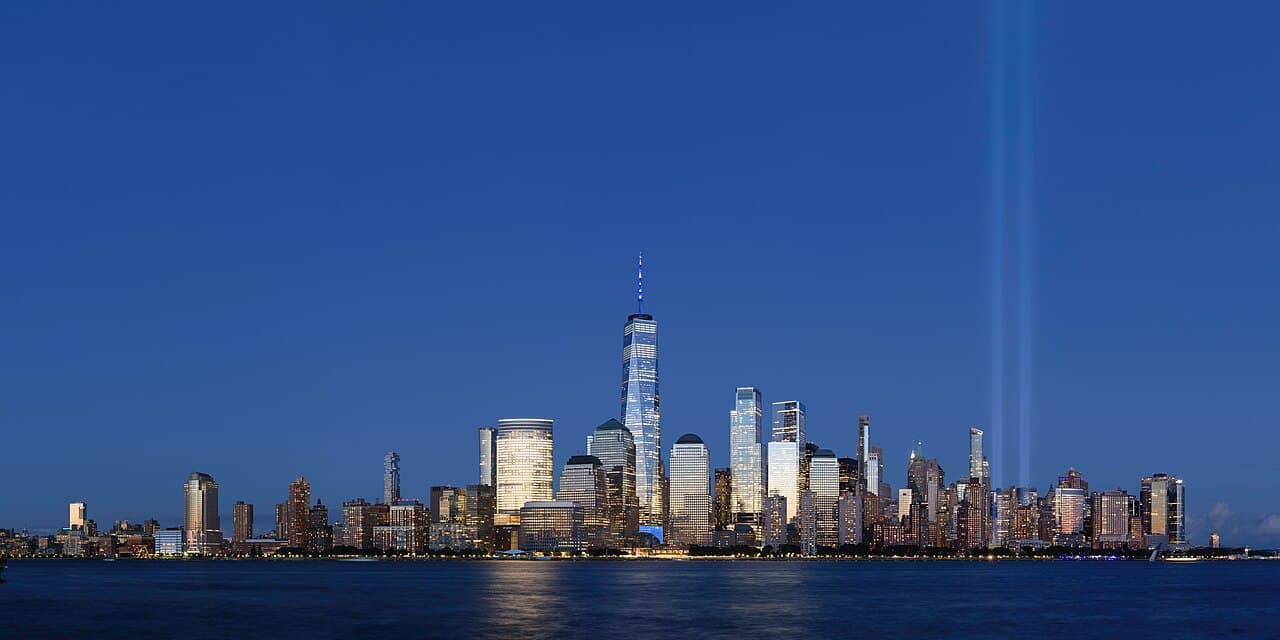
United StatesPhoto: King of Hearts / Wikimedia Commons (CC BY-SA 4.0)

United States

Country · US · USD · America/New_York

This information may change. Always check the official source.Last verified: August 2026 by

ESTA and the Visa Waiver Program

ESTA costs USD 40.27, lasts 2 years, now requires a selfie, and buys you 90 days that cannot be extended under any circumstances.

  • The ESTA fee nearly doubled - USD 40 for anything filed on or after 30 September 2025, and USD 40.27 since 1 January 2026, rising again each January. Children and infants pay it too.
  • esta.cbp.dhs.gov is the only official site. Everything else charges two to four times the real price for the same form, and this is the commonest way visitors overpay before leaving home.
  • ESTA now asks for a selfie taken on a phone or webcam - a photo of your passport picture is rejected. People have cancelled trips over this, so apply at least 72 hours ahead and realistically a couple of weeks.
  • 90 days per visit, no extension, no change of status, no exceptions for illness or a missed flight. Hopping to Canada, Mexico or the Caribbean and coming back does not reset the clock.
  • Travel to Cuba after 12 January 2021 disqualifies you from ESTA, as does an arrest, a criminal record or a previous overstay - in which case you need a visa rather than an application made in hope.
More details

What ESTA costs now

The ESTA fee nearly doubled. It was USD 21 for years, and it is not any more.

  • USD 40 for any application filed on or after 30 September 2025, under the budget act.
  • USD 40.27 from 1 January 2026, after an annual inflation adjustment. It rises again each January.
  • There are no exemptions. Children pay it, infants pay it, and frequent travellers pay it on every renewal.
  • esta.cbp.dhs.gov is the only official site. Everything else charges you two to four times the real price to fill in the same form. This is the single most common way visitors overpay before they have even left home.

The selfie is new

ESTA now asks for a photograph of your face taken on a phone or webcam, checked against your passport and existing biometric records.

  • A plain, light background, neutral expression, eyes open, whole face visible.
  • A scan or photo of your passport picture is rejected. It has to be a fresh image of you.
  • This has caught people out badly enough to cancel trips, because they left the application to the last evening and could not get an acceptable photo through.
  • Apply at least 72 hours before you fly, and realistically a couple of weeks. Most approvals are near-instant; a small number go to manual review and take days.

What ESTA actually buys you

ESTA and the Visa Waiver Program
CostUSD 40.27
Valid for2 years, or until your passport expires
Stay per visit90 days maximum
ExtensionNone. Not possible.
  • The 90 days cannot be extended and your status cannot be changed while you are in the country. This is the hard difference between ESTA and a visa, and it has no exceptions for illness, missed flights or a change of plan.
  • If you might want longer than 90 days, or might want to extend, apply for a B-1/B-2 visa instead before you travel. You cannot convert later.
  • Leaving to Canada, Mexico or the Caribbean and coming back does not reset the 90 days. Short trips there count as part of the same admission.
  • Frequent back-to-back visits attract questions. Officers look for someone living in the country on tourist terms.

Who cannot use ESTA

  • Anyone who has been arrested, has a criminal record, has been deported, or has overstayed a previous ESTA.
  • Anyone who has travelled to Iran, Iraq, Libya, North Korea, Somalia, Sudan, Syria or Yemen in the relevant period.
  • Anyone who has travelled to Cuba after 12 January 2021. This one surprises people, because Cuba is an ordinary holiday for most Europeans.
  • Anyone holding dual nationality with one of the countries above.
  • If any of these apply, you need a visa. Applying for an ESTA anyway and hoping is how people get refused at the airport.

Approval is not entry

An ESTA lets you board the plane. The officer at the border decides whether you come in, and that decision is discretionary.

  • Be able to say where you are staying, how long, and what you are doing.
  • Electronic devices may be inspected, and refusing means you may be refused entry.
  • British-American and other dual nationals must enter and leave on the US passport.
  • Children under 18 travelling alone or with a non-parent need a consent letter alongside their own ESTA.

Visas, the 30-day registration rule and Canadians

The B-1/B-2 route costs USD 185 plus a USD 250 fee that some consulates now charge and others do not. Anyone staying over 30 days should check the registration rule.

  • The B-1/B-2 application fee is USD 185, paid before the interview and not refunded if you are refused, and appointment waits - months in some cities - are the real constraint rather than the paperwork.
  • Budget another USD 250 for the visa integrity fee created by the budget act of 4 July 2025. Its rollout is uneven, it is nominally refundable with no mechanism to claim it, so treat it as money spent.
  • Visa Waiver travellers and Canadians are exempt from that fee entirely.
  • Since 11 April 2025 non-citizens aged 14 and over staying 30 days or longer must be registered with DHS. Most people already are through their visa or I-94; the ones who should check are Canadians admitted by land without one.
  • Canadians need no visa and no ESTA and are normally admitted up to 6 months, far more generous than the ESTA 90 days - though land crossings now carry an I-94 fee.
More details

If you need a visa

Nationals outside the Visa Waiver Program need a B-1/B-2 visitor visa, applied for in person at an embassy or consulate.

  • The MRV application fee is USD 185, paid before the interview and not refunded if you are refused.
  • A USD 250 "visa integrity fee" was created by the budget act signed on 4 July 2025. It applies on top, at the point the visa is issued.
  • Its rollout has been genuinely uneven. Some consulates began charging it around May 2026 and others had not yet, because the payment and tracking systems were not in place. Budget for it and be pleasantly surprised, rather than the reverse.
  • It is nominally refundable after the visa expires if you complied with every condition. There is no mechanism to claim it. Treat it as money spent.
  • Visa Waiver Program travellers and Canadians are exempt from the integrity fee entirely.
  • A visitor visa usually admits you for up to 6 months and, unlike ESTA, can be extended from inside the country.
  • Appointment waits are the real constraint, not the paperwork. In some cities they run to many months. Start early.

The 30-day registration rule

Since 11 April 2025, non-citizens aged 14 and over who stay 30 days or longer must be registered with DHS.

  • Most travellers are already registered without doing anything. If you were issued a visa, or you were admitted and given an I-94 record, that generally counts. The rule is aimed at people who entered without inspection or who were never fingerprinted.
  • The people who should actually check are those admitted without an I-94 record, which in practice mostly means Canadians who crossed by land.
  • The stated penalties are up to USD 5,000 and up to 30 days in jail, and adults must carry proof of registration.
  • If you are staying more than 30 days, spend ten minutes on uscis.gov/alienregistration and confirm which side of the line you are on. It is a short read and the downside of guessing wrong is not small.

Canadians

  • No visa and no ESTA for ordinary tourism. Your passport is enough.
  • You are normally admitted for up to 6 months, which is much more generous than the ESTA 90 days.
  • Land crossings now carry an I-94 fee where an I-94 is issued, one of the several border fees raised from 30 September 2025.
  • You are exempt from the visa integrity fee.

Where your nationality lands

Visas, the 30-day registration rule and Canadians
You holdWhat you need
Australia, Germany, Spain, France, UK, Italy, Japan, South Korea, Netherlands, Poland, Singapore, TaiwanESTA, USD 40.27, 90 days, no extension
CanadaNothing, up to 6 months
China, India, Cambodia, Malaysia, Russia, Saudi ArabiaB-1/B-2 visa in advance
  • Malaysia is not in the Visa Waiver Program, which surprises Malaysian travellers who are visa-free almost everywhere else.
  • Chinese nationals holding a 10-year B-1/B-2 visa must also keep EVUS enrolment current, and EVUS now carries a fee of its own.
  • DHS can suspend a country's Visa Waiver status with little or no notice. Check your own position close to departure rather than relying on what was true when you booked.
Sources (6)

The US declaration covers food, cash and goods, and an undeclared apple carries a penalty even though the apple itself was allowed.

  • Fresh fruit, vegetables, meat and plants are seized. The agriculture question on the declaration is the one that generates fines, and the penalty is for not declaring rather than for carrying.
  • The duty-free exemption is USD 800 for most travellers, plus 200 cigarettes and 1 litre of alcohol per adult over 21.
  • Cuban cigars and Cuban rum may not be imported, including bought in a third country. The personal exemption for them was withdrawn in 2020.
  • USD 10,000 or more must be reported on FinCEN Form 105, counting the total carried by a family travelling together, not per person.
  • Everything goes through CBP at the first US airport, even in transit to another country - you collect your bags, clear customs and check them again.
More details
  • Fresh fruit, vegetables, meat and plants are seized. The agriculture question on the declaration is the one that generates fines, and the penalty is for not declaring rather than for carrying.
  • The duty-free exemption is USD 800 for most travellers, plus 200 cigarettes and 1 litre of alcohol per adult over 21.
  • Cuban cigars and Cuban rum may not be imported, including bought in a third country. The personal exemption for them was withdrawn in 2020.
  • USD 10,000 or more must be reported on FinCEN Form 105, counting the total carried by a family travelling together, not per person.
  • Everything goes through CBP at the first US airport, even in transit to another country - you collect your bags, clear customs and check them again.
  • Preclearance changes where this happens. From Dublin, Abu Dhabi and most Canadian hubs you clear US customs before boarding.
Sources (1)

This is the most expensive place in the world to fall ill and there is no safety net for you. Travel insurance is not optional here.

  • There is no reciprocal healthcare agreement between the United States and anywhere. Your national health card, your EHIC, your provincial cover: none of it works here.
  • An average emergency room visit is around USD 2,863, a serious one USD 10,000 to USD 20,000 and upwards, and uninsured patients are billed 2 to 10 times what an insurer would pay for the same treatment.
  • Check your policy's limit is at least USD 500,000, preferably a million - European policies written for European costs are frequently far too small.
  • Urgent care clinics are the right answer for anything that is not an emergency - stitches, infections, sprains, fevers - at a fraction of the emergency room and seen faster.
  • Ask specifically for an itemised bill, because the summary version is not enough for a claim, and expect bills weeks later from the hospital, doctor, radiologist and lab separately for one visit.
More details

The number that matters

There is no reciprocal healthcare agreement between the United States and anywhere. Your national health card, your EHIC, your provincial cover: none of it works here.

Health in the United States
WhatRealistic uninsured cost
Emergency room visit, averagearound USD 2,863
Emergency room, minor problemUSD 1,000 to USD 2,500
Emergency room, seriousUSD 10,000 to USD 20,000 and upwards
Ground ambulanceUSD 500 to USD 3,000, plus roughly USD 19 a mile
Air ambulance or repatriationSix figures
  • Uninsured patients are billed 2 to 10 times what an insurer would pay for exactly the same treatment. You are the worst-positioned buyer in the room.
  • Comprehensive travel medical insurance with evacuation cover is essential. Not advisable. Essential. A broken leg on a ski trip has bankrupted people.
  • Check your policy's cover limit is at least USD 500,000, and preferably a million. European policies written for European costs are frequently far too small.
  • Ambulances are usually billed separately and are often outside surprise-billing protections. If it is not an emergency, a taxi to the hospital is a legitimate and much cheaper decision.

Getting treated

  • Urgent care clinics are the right answer for anything that is not an emergency. Stitches, infections, sprains and fevers cost a fraction of an emergency room and you will be seen faster.
  • Emergency rooms must stabilise you regardless of ability to pay. They will then bill you, and they will pursue it.
  • Call your insurer before treatment where you possibly can, and get the pre-authorisation. Doing it afterwards is where claims get refused.
  • Keep every itemised bill. Ask for an itemised bill specifically, because the summary version is not enough for a claim.
  • Bills arrive weeks or months later, often several separately from the hospital, the doctor, the radiologist and the lab for one visit.

Medicines and the rest

  • Bring your prescriptions in original labelled packaging with a copy of the prescription. US pharmacies will not fill a foreign prescription.
  • Pharmacies are everywhere and open late, and over-the-counter medicine is cheap. Prescription medicine is not.
  • No vaccinations are required for entry. Check routine cover is current.
  • Tap water is safe essentially everywhere.
  • Ticks carry Lyme disease in the northeast and upper midwest, from spring through autumn. Check yourself after woodland walks.
  • The sun at altitude and in the desert is much stronger than it feels. Denver, Santa Fe and the Utah parks catch people out.
Sources (3)

New York

Long-term averages for New York: the mean daily high, the mean overnight low and the mean monthly rainfall across 30 years of ERA5 reanalysis data (1995–2024).

DayNight
-551525°C0200mmJanFebMarAprMayJunJulAugSepOctNovDecJanuary: Day 4 °C, Night -4 °C, Rain 88 mm. February: Day 5 °C, Night -4 °C, Rain 79 mm. March: Day 10 °C, Night 0 °C, Rain 105 mm. April: Day 16 °C, Night 6 °C, Rain 96 mm. May: Day 21 °C, Night 11 °C, Rain 89 mm. June: Day 26 °C, Night 17 °C, Rain 102 mm. July: Day 29 °C, Night 20 °C, Rain 110 mm. August: Day 28 °C, Night 20 °C, Rain 103 mm. September: Day 24 °C, Night 16 °C, Rain 104 mm. October: Day 18 °C, Night 10 °C, Rain 110 mm. November: Day 12 °C, Night 4 °C, Rain 75 mm. December: Day 6 °C, Night -1 °C, Rain 103 mm
Show the monthly table
New York
MonthDay (°C)Night (°C)Rain (mm)
January4-488
February5-479
March100105
April16696
May211189
June2617102
July2920110
August2820103
September2416104
October1810110
November12475
December6-1103

Los Angeles

Long-term averages for Los Angeles: the mean daily high, the mean overnight low and the mean monthly rainfall across 30 years of ERA5 reanalysis data (1995–2024).

DayNight
5101520253035°C0100mmJanFebMarAprMayJunJulAugSepOctNovDecJanuary: Day 19 °C, Night 7 °C, Rain 80 mm. February: Day 20 °C, Night 8 °C, Rain 81 mm. March: Day 21 °C, Night 9 °C, Rain 54 mm. April: Day 24 °C, Night 10 °C, Rain 21 mm. May: Day 25 °C, Night 13 °C, Rain 9 mm. June: Day 28 °C, Night 15 °C, Rain 3 mm. July: Day 31 °C, Night 18 °C, Rain 2 mm. August: Day 32 °C, Night 19 °C, Rain 3 mm. September: Day 31 °C, Night 17 °C, Rain 6 mm. October: Day 28 °C, Night 14 °C, Rain 15 mm. November: Day 23 °C, Night 10 °C, Rain 22 mm. December: Day 19 °C, Night 7 °C, Rain 60 mm
Show the monthly table
Los Angeles
MonthDay (°C)Night (°C)Rain (mm)
January19780
February20881
March21954
April241021
May25139
June28153
July31182
August32193
September31176
October281415
November231022
December19760

Miami

Long-term averages for Miami: the mean daily high, the mean overnight low and the mean monthly rainfall across 30 years of ERA5 reanalysis data (1995–2024).

DayNight
15202530°C0200mmJanFebMarAprMayJunJulAugSepOctNovDecJanuary: Day 23 °C, Night 18 °C, Rain 49 mm. February: Day 24 °C, Night 19 °C, Rain 44 mm. March: Day 25 °C, Night 20 °C, Rain 56 mm. April: Day 27 °C, Night 22 °C, Rain 62 mm. May: Day 28 °C, Night 23 °C, Rain 103 mm. June: Day 29 °C, Night 25 °C, Rain 177 mm. July: Day 30 °C, Night 26 °C, Rain 117 mm. August: Day 30 °C, Night 26 °C, Rain 146 mm. September: Day 30 °C, Night 25 °C, Rain 167 mm. October: Day 28 °C, Night 24 °C, Rain 121 mm. November: Day 26 °C, Night 21 °C, Rain 62 mm. December: Day 24 °C, Night 20 °C, Rain 54 mm
Show the monthly table
Miami
MonthDay (°C)Night (°C)Rain (mm)
January231849
February241944
March252056
April272262
May2823103
June2925177
July3026117
August3026146
September3025167
October2824121
November262162
December242054
Sources (1)

The advertised rate is the start of the negotiation. Resort fees, city taxes and parking routinely add 25 to 40 percent to what you thought you were paying.

  • The advertised price is not the price. Resort, destination or amenity fees of USD 25 to USD 50 a night are charged whether or not you use the pool, on top of occupancy taxes reaching 15 percent or more.
  • Add 25 to 40 percent to the headline rate when comparing with home - that is the realistic number - and ask for the total including all fees when you book.
  • City-centre parking runs USD 40 to USD 70 a night and is rarely optional with a rental car.
  • Motels are roadside, cheap and perfectly fine, not a downgrade; chain mid-range hotels often include breakfast where boutique places do not; and short lets have largely disappeared in New York, where enforcement is real.
  • National park lodges book out 6 to 12 months ahead for summer - the single most common American holiday planning mistake. A credit card is required for the incidentals hold.
More details

The advertised price is not the price

American hotels have spent twenty years unbundling the room rate. A rule effective 12 May 2025 now requires the total price including mandatory fees to be shown up front, which has helped, but the fees themselves did not go away.

  • Resort fees, destination fees, urban fees or amenity fees of USD 25 to USD 50 a night, charged whether or not you use the pool, the gym or the newspaper.
  • State and city occupancy taxes stacking to 15 percent or more in major cities. New York and Chicago are among the highest anywhere.
  • Parking of USD 40 to USD 70 a night in city centres, and it is rarely optional if you have a rental car.
  • Add 25 to 40 percent to the headline rate when comparing against home. That is the realistic number.
  • Ask for the total including all fees and taxes when you book by phone, and check the confirmation.

What the categories mean

  • Motels are roadside, drive-up, cheap and perfectly fine. Not a downgrade, just a different thing.
  • Chain mid-range hotels are reliably identical everywhere, and often include breakfast, which the boutique places do not.
  • Airbnb and Vrbo are heavily regulated in some cities and effectively banned in others, notably in New York, where the enforcement is real and short lets have largely disappeared.
  • Hostels exist in the big cities and are thin on the ground elsewhere.
  • A tip of USD 3 to USD 5 a night for housekeeping is expected, left daily rather than at the end.

Practical

  • Check-in is typically 15:00 and check-out 11:00, and both are enforced more strictly than in Europe.
  • A credit card is required for the incidentals hold, often USD 50 to USD 100 a night. A debit card ties up real money for days.
  • Air conditioning is universal and loud. Ask for a room away from the ice machine and the lift.
  • National park lodges book out 6 to 12 months ahead for summer. This is the single most common American holiday planning mistake.
Sources (2)

American mobile data is expensive by world standards and a travel eSIM is usually the cheaper answer. Coverage collapses faster than you expect outside the cities.

  • The US has some of the most expensive mobile data in the developed world, and European visitors in particular get a shock.
  • A travel eSIM wins here, which is the opposite of the usual advice - roughly USD 10 to USD 25 for 10 GB against about USD 40 plus tax for the same physical tourist SIM.
  • Airport kiosks are the worst value in the country. Carrier stores, Walmart, Target and Best Buy sell the same thing at normal prices, and no passport registration is needed.
  • Coverage disappears in the mountain west, the desert southwest and large parts of the national parks - there are stretches of major road in Utah, Nevada and Montana with nothing at all.
  • Download offline maps before any road trip. Payphones effectively no longer exist, so a dead phone in a remote area is a real problem rather than an inconvenience.
More details

Expect to pay more than at home

The United States has some of the most expensive mobile data in the developed world. European visitors in particular get a shock.

  • A physical tourist prepaid SIM runs around USD 40 plus tax for 10 GB.
  • A travel eSIM such as Saily for the same 10 GB is roughly USD 10 to USD 25. For most trips the eSIM simply wins, which is the opposite of the advice for somewhere like Jamaica or Egypt.
  • The three networks are Verizon, AT&T and T-Mobile. Everything else, including Mint, Visible, Cricket and Ultra Mobile, resells one of them.
  • T-Mobile has the best-value prepaid and the weakest rural coverage. Verizon has the best rural coverage and charges for it.

Buying on arrival

  • Airport kiosks are the worst value in the country. They exist to sell to people who did not plan.
  • Carrier stores, Walmart, Target and Best Buy all sell prepaid SIMs at normal prices.
  • You do not need to register with a passport, unlike most of the world. Payment is enough.
  • A US billing address is sometimes demanded online, which is exactly the friction that makes a travel eSIM easier.

Coverage, honestly

  • Cities and interstates are fine, with widespread 5G.
  • Coverage disappears in the mountain west, the desert southwest and large stretches of national park. This is not a marginal effect. There are places on major roads in Utah, Nevada and Montana with nothing at all.
  • Download offline maps before any road trip. Treat live navigation as a bonus rather than a plan.
  • Wi-Fi is free and universal in hotels, cafes, libraries and most fast food chains.
  • Public payphones effectively no longer exist. A dead phone in a remote area is a real problem rather than an inconvenience.
Sources (1)

American sockets are Type and at 120 V, 60 Hz, so European and British appliances need both an adapter and a 100-240 V label.

  • Type is Type with an earth hole. Two flat blades side by side, and a round earth below them. New buildings must have the earthed version; older apartments still have plenty of two-slot Type outlets.
  • The wider slot is neutral. That is why some plugs only go in one way round, and why an adapter that ignores polarity is worth avoiding.
  • Everything from Europe needs an adapter. No European, British or Australian plug fits a US socket.
  • 120 V is what actually breaks things. A 230 V-only appliance plugged in here will run slowly or not at all rather than burning out, but a travel adapter does nothing about voltage in either direction. Check the label for 100-240 V.
More details

Sockets in the United States are Type and at 120 V, 60 Hz - half the voltage of Europe, Asia and Australia.

  • Type is Type with an earth hole. Two flat blades side by side, and a round earth below them. New buildings must have the earthed version; older apartments still have plenty of two-slot Type outlets.
  • The wider slot is neutral. That is why some plugs only go in one way round, and why an adapter that ignores polarity is worth avoiding.
  • Everything from Europe needs an adapter. No European, British or Australian plug fits a US socket.
  • 120 V is what actually breaks things. A 230 V-only appliance plugged in here will run slowly or not at all rather than burning out, but a travel adapter does nothing about voltage in either direction. Check the label for 100-240 V.
  • Hotels increasingly fit USB sockets beside the bed and on the desk lamp, which is often faster than hunting for a spare outlet behind the headboard.
Sources (1)

A passport gets you on a domestic flight now that REAL ID is enforced, the drinking age is 21 and enforced on people who look 40, and nothing is within walking distance.

  • Your foreign passport is accepted at every TSA checkpoint - you do not need a REAL ID and cannot get one. Carry the passport itself for domestic flights, not a photocopy, and arrive 2 hours ahead.
  • The drinking age is 21 and enforced far more strictly than visitors expect, with people in their forties asked routinely - bring your passport, because many bars take nothing else from a foreigner.
  • Cannabis is legal in many states and federally illegal. Do not carry it between states or take it near an airport, and note a federal park inside a legal state is still federal.
  • Dates are month/day/year, so 03/04 is 3 April to a European and 4 March to an American. This causes real problems with bookings.
  • Electricity is 120 V at 60 Hz, so hair dryers and shavers rated only for 230 V will not work, and the ground floor is the first floor - a British second floor is an American third.
More details

Flying inside the country

REAL ID is now fully enforced for domestic flights, and this alarms visitors unnecessarily.

  • Your foreign passport is accepted at every TSA checkpoint. You do not need a REAL ID and cannot get one.
  • Carry the passport for domestic flights, not a photocopy and not your home driving licence.
  • Arrive 2 hours before a domestic flight. Security queues at the big hubs are genuinely long.
  • Liquids and laptops rules vary by checkpoint depending on the scanner installed. Follow what the officer says rather than what you did last time.

Age 21, and they will ask

  • The drinking age is 21 nationwide and it is enforced far more strictly than most visitors expect.
  • Bring your passport if you plan to drink, because many bars accept nothing else from a foreigner and will not take a foreign driving licence.
  • People in their forties get asked routinely. It is not personal and arguing does not work.
  • Open containers of alcohol in public are illegal in most of the country, including on the street and in a car. Las Vegas and parts of New Orleans are the famous exceptions.
  • Cannabis is legal in many states and federally illegal. Do not carry it between states, do not take it to an airport, and be aware that a federal park inside a legal state is still federal.

Units, dates and voltage

  • Everything is in miles, gallons, pounds and Fahrenheit. 100 °F is 38 °C, 70 °F is 21 °C.
  • Dates are month/day/year. 03/04 is 3 April to a European and 4 March to an American. This causes real problems with bookings.
  • Electricity is 120 V at 60 Hz with flat two-pin and three-pin plugs. Modern chargers cope; hair dryers and shavers rated only for 230 V do not.
  • The ground floor is the first floor, so a British second floor is an American third.

Everyday

  • Nothing is within walking distance outside a handful of city centres, and pavements sometimes simply stop.
  • Portions are large and taking leftovers away is normal, not embarrassing.
  • Public toilets are free, clean and everywhere, in a way much of the world is not.
  • Service is friendly and fast because it is tipped. It is not insincere, it is the job.
  • Small talk with strangers is normal and means nothing more than politeness.
  • Public holidays cluster around long weekends. Thanksgiving in late November and Independence Day on 4 July are the two where transport genuinely fills up.
Sources (2)

The price on the label is never the price you pay, and tipping has moved to 18 to 20 percent. Together these add roughly a third to a restaurant bill.

  • The shelf price excludes sales tax almost everywhere - from zero to over 10 percent depending on state, county and city. The number on the menu is not the number on the bill.
  • Table service is 18 to 20 percent of the pre-tax bill, and 15 percent is now the floor for adequate service rather than the standard. Visitors working from old advice tip badly without meaning to.
  • Check for an automatic service charge before adding a tip - many higher-end restaurants now add around 20 percent, and then you add nothing.
  • Tipping is how service staff are paid, not a bonus, since the tipped minimum wage is a fraction of the ordinary one in many states. Selecting "no tip" at a counter is completely normal.
  • Carry USD 40 to USD 60 in small notes for tips, street food and laundromats, use bank ATMs rather than the standalone ones in bars, and tell your bank you are travelling - US merchants trip fraud blocks on foreign cards.
More details

Sales tax is added at the till

The shelf price excludes sales tax everywhere except a handful of states. This is the first thing that catches every visitor.

  • Rates run from zero to over 10 percent depending on the state, the county and sometimes the city.
  • Delaware, Montana, New Hampshire and Oregon have no sales tax at all. Alaska has no state tax but some local ones.
  • Restaurant and hotel taxes are usually higher than the general rate, and cities add their own accommodation levies on top.
  • The number on the menu is not the number on the bill. Assume roughly 10 percent tax, then tip on the pre-tax amount.

Tipping, as it stands in 2026

Money and payments in the United States
WhereWhat is expected
Restaurant with table service18 to 20 percent of the pre-tax bill
BarUSD 1 to USD 2 a drink, or 15 to 20 percent on a tab
Taxi or rideshare10 to 15 percent
Hotel housekeepingUSD 3 to USD 5 a night, left daily
PorterUSD 1 to USD 2 a bag
Counter service, coffee, takeawayOptional. The screen will ask anyway
  • 15 percent is now the floor for adequate service, not the standard. The norm moved and visitors working from old advice tip badly without meaning to.
  • Check for an automatic service charge before adding a tip. Many higher-end restaurants in New York, San Francisco and Chicago now add around 20 percent automatically, and in that case you add nothing.
  • A service charge is not always the same as a tip. It sometimes goes to the venue rather than the server. Ask if it matters to you.
  • Tipping is how service staff are paid, not a bonus. In many states the tipped minimum wage is a fraction of the ordinary one.
  • Card terminals now prompt for tips almost everywhere, including places nobody used to tip. Selecting "no tip" at a counter is completely normal.

Cards and cash

  • Cards work everywhere and contactless is universal. Amex is accepted less widely than Visa and Mastercard.
  • Carry USD 40 to USD 60 in small notes for tips, street food, laundromats and the occasional cash-only bar.
  • Always choose to be charged in US dollars at a terminal. Dynamic currency conversion is a poor rate.
  • Bank ATMs charge USD 3 to USD 5; standalone ATMs in bars and shops charge far more and often use a bad rate too.
  • Tell your bank you are travelling. US merchants trigger fraud blocks on foreign cards more than most.
Sources (2)

Everyday prices

Typical prices in US dollar (USD), averaged across the country by Numbeo and read on 12 August 2026. Tick Convert prices above the table to see every amount in your own currency.

Everyday prices
ItemTypical price
Inexpensive restaurant meal20 USD
Dinner for two, mid-range, three courses80 USD
Cappuccino5.46 USD
Local draught beer, 0.5 l6.00 USD
Bottled water, 0.33 l2.13 USD
Public transport, one-way ticket2.40 USD
Taxi, starting fare3.50 USD
Petrol, 1 litre1.01 USD
Cigarettes, pack of 20 (Marlboro)10 USD
Average net monthly salary4,320 USD

These are country-wide averages, not a price list: tourist districts, airports and islands sit well above them, and small towns below. The salary line is there for proportion - it is what people living here actually earn.

Sources (1)

Airport guides for United States66

One page per airport: the routes into town, what they cost and the trap particular to that arrival.

See all 66 airports

Rideshare is the default and airports hide the pickup points. A handful of airports have good trains and most have none worth using.

  • Uber and Lyft work at essentially every US airport and are the answer for most visitors - but the pickup point is often deliberately awkward, so follow the app rather than the signs for taxis.
  • Surge pricing at peak arrival times can double the fare, and a 20 minute wait often halves it. Airport pickup surcharges of USD 3 to USD 10 are normal, not a scam.
  • Rail genuinely beats a car at JFK, Chicago, San Francisco, Washington, Boston, Philadelphia, Portland, Seattle, Atlanta and Minneapolis.
  • Los Angeles, Miami, Dallas, Houston, Las Vegas, Orlando and Phoenix are car cities - transit exists, is cheap, and will cost you a large part of your first afternoon. Budget USD 40 to USD 90 for a rideshare.
  • Renting needs a credit card in the driver's name and usually age 25, and US desks upsell insurance hard - check what your own policy or credit card already covers before you land.
More details
Rideshare is the default

Uber and Lyft work at essentially every US airport, and for most visitors that is the answer.

  • The pickup point is often deliberately awkward, on an upper level, in a distant garage or across a skybridge. Follow the app's instructions rather than the signs for taxis.
  • Surge pricing at peak arrival times is real and can double the fare. A 20 minute wait often halves it.
  • Airport pickup surcharges of USD 3 to USD 10 are added on top and are not a scam.
  • Taxis are usually more expensive except in New York, where the flat JFK to Manhattan fare is competitive.
The airports where rail is genuinely better
  • New York JFK: AirTrain to Jamaica or Howard Beach, then the subway or the LIRR. Far cheaper than a car and often faster than the Van Wyck at rush hour.
  • Chicago O'Hare and Midway: the Blue and Orange Lines run into the Loop for the price of an ordinary transit fare. O'Hare to downtown by train beats a taxi in traffic most afternoons.
  • San Francisco: BART runs from inside the international terminal to downtown. Simple and cheap.
  • Washington DC: the Silver Line now reaches Dulles, and National Airport has been on the Metro for decades.
  • Boston, Philadelphia, Portland, Seattle, Atlanta and Minneapolis all have usable airport rail.
The airports where it is not
  • Los Angeles, Miami, Dallas, Houston, Las Vegas, Orlando and Phoenix are car cities. There is technically transit, it is technically cheap, and it will cost you a large part of your first afternoon.
  • Budget USD 40 to USD 90 for a rideshare into town at most of these.
  • Hotel shuttles are common near airports and free. Ask when booking.
Renting a car
  • You need your own licence, a credit card in the driver's name, and usually to be 25. Under 25 attracts a daily young driver surcharge that is often larger than the rental.
  • An International Driving Permit is not required for most visitors if your licence is in English, but it costs little and removes an argument.
  • Decline nothing without reading it. US rental desks upsell insurance hard, and your own travel policy or credit card may already cover the collision damage waiver. Check before you land.
  • Tolls are increasingly cashless. Take the rental company's transponder or you will get an administrative fee per toll on top of the toll.
Sources (2)

Distances are the thing people underestimate. Flying is often cheaper than driving, and Amtrak is a scenic experience rather than a transport system.

  • The distances are not like home. Los Angeles to New York is further than Lisbon to Moscow, and Texas alone is bigger than France - check the driving time before booking anything.
  • Domestic flights are cheap and frequent and beat driving on both money and time beyond about 6 hours behind the wheel, though budget carriers' headline fares assume you travel with nothing.
  • The Northeast Corridor is the one place US rail is genuinely good. Everywhere else Amtrak is a scenic experience routinely hours late - never connect a flight to one.
  • New York, Chicago, Boston, Washington, San Francisco and Philadelphia have transit you can live on. In Los Angeles, Houston, Phoenix or Atlanta, plan around a car or rideshare.
  • Contactless bank cards now work on many systems, New York's OMNY and Chicago's Ventra included, so you often need no local card at all.
More details

The distances are not like home

Los Angeles to New York is further than Lisbon to Moscow. Texas alone is bigger than France.

  • Check the driving time before booking anything. A trip that looks like a day on a map is frequently three.
  • Domestic flights are cheap and frequent, and for anything over about 6 hours of driving they usually win on both money and time.
  • Southwest, JetBlue, Frontier and Spirit compete hard on price. Read the baggage rules, because the headline fare on the budget carriers assumes you are travelling with nothing.

Trains and buses

  • The Northeast Corridor is the one place US rail is genuinely good. Washington, Baltimore, Philadelphia, New York and Boston are properly connected, and the Acela is fast and comfortable.
  • Everywhere else, Amtrak is a scenic experience rather than transport. The California Zephyr and the Coast Starlight are wonderful and routinely hours late. Do not connect a flight to one.
  • Intercity buses are the cheap option. Greyhound, Megabus, FlixBus and a dense network of regional operators. 12Go covers many of these routes if you would rather book everything in one place.
  • Washington DC to New York by bus costs around USD 25 and takes about 4 hours, which is why the corridor buses are always full.

In town

  • New York, Chicago, Boston, Washington, San Francisco and Philadelphia have transit you can genuinely live on.
  • Most other cities do not. In Los Angeles, Houston, Phoenix or Atlanta, plan around a car or rideshare.
  • Transit apps beat paper. Transit, Citymapper and Google Maps all work well in the cities that have networks.
  • Contactless bank cards now work on many systems, including New York's OMNY and Chicago's Ventra, so you often need no local card at all.

Apps worth having before you land

  • Uber and Lyft, both, because prices diverge.
  • Google Maps or Apple Maps with offline areas downloaded.
  • Your airline's app, because gate changes are announced there first.
  • A tipping-aware payment habit, since almost every card terminal will ask.
Sources (2)

American tolls are a state matter and increasingly cashless, and the distances are longer than a European map suggests.

  • Rent the transponder at the desk. Most rental companies charge a daily fee for one and a much larger administration fee per toll if you go without. On the East Coast and in Texas or Florida this is not optional in practice.
  • Right turn on red is legal almost everywhere after a full stop, and illegal in New York City. School buses with flashing lights stop traffic in both directions - the rule is absolute and heavily enforced.
  • The alcohol limit is 0.08 %, which is 0.8 g/l, higher than most of Europe. Utah is 0.05 %.
  • Under-25 drivers pay a young-driver surcharge at every major hire company, often more than the car.
More details

Tolls are set state by state and many are cashless, so a hire car needs a transponder or a plan.

  • Rent the transponder at the desk. Most rental companies charge a daily fee for one and a much larger administration fee per toll if you go without. On the East Coast and in Texas or Florida this is not optional in practice.
  • Right turn on red is legal almost everywhere after a full stop, and illegal in New York City. School buses with flashing lights stop traffic in both directions - the rule is absolute and heavily enforced.
  • The alcohol limit is 0.08 %, which is 0.8 g/l, higher than most of Europe. Utah is 0.05 %.
  • Under-25 drivers pay a young-driver surcharge at every major hire company, often more than the car.
  • Distances defeat schedules. Los Angeles to San Francisco is a full day, and the gaps between fuel stations in Nevada, Utah and West Texas are measured in hours.
Sources (1)

The realistic risks are road traffic, car break-ins and the cost of an ambulance. Violent crime is concentrated in places visitors rarely go.

  • The US is safe in the places tourists actually go, and the statistics that alarm foreign readers are concentrated in specific neighbourhoods of specific cities.
  • Road traffic is far and away the most likely thing to hurt you - the US road death rate is roughly double western Europe's.
  • Car break-ins are the crime you are genuinely likely to meet, notoriously in San Francisco, Los Angeles, Seattle, Portland and Oakland. Leave nothing visible in a parked car, ever, including in the boot if you were seen putting it there.
  • Firearms are legal and common, so do not escalate anything - road rage, bar arguments and parking confrontations are not worth it here in a way they might be at home.
  • Nature will kill you faster than crime: lethal desert heat, hurricane season peaking August to October, wildfire smoke hundreds of miles from any fire, and bison that injure more Yellowstone visitors than bears do.
More details

Getting the risk in proportion

The United States is a safe country for tourists in the places tourists actually go, and the crime statistics that alarm foreign readers are concentrated in specific neighbourhoods of specific cities.

  • Road traffic is far and away the most likely thing to hurt you. The US road death rate is roughly double that of western Europe.
  • Car break-ins are the crime you are genuinely likely to meet. San Francisco, Los Angeles, Seattle, Portland and Oakland are notorious. Leave nothing visible in a parked car, ever, including in the boot if you were seen putting it there.
  • Firearms are legal and common. The practical consequence for a visitor is simple: do not escalate anything. Road rage, arguments in bars and confrontations over parking are not worth it here in a way they might be at home.
  • Know which neighbourhoods to avoid, ask at your hotel, and be aware that this changes street by street rather than district by district.

The scams

  • Fake ESTA sites, charging USD 80 to USD 150 for a USD 40.27 government form. The most expensive scam most visitors meet.
  • Ticket touts and fake tour sellers around Times Square, Fisherman's Wharf and the Las Vegas Strip.
  • Costumed characters demanding payment after posing for a photograph.
  • Taxi drivers at airports taking the long way, which is why a metered rideshare with a quoted fare is safer.
  • ATM skimming on standalone machines in bars, petrol stations and convenience stores.
  • The "free" CD or bracelet pressed into your hand and then charged for aggressively.

Nature will kill you faster than crime

  • Hurricane season runs June to November on the Gulf and Atlantic coasts, peaking August to October, which is now.
  • Wildfire season runs roughly June to November in the west, and smoke affects areas hundreds of miles from any fire.
  • Tornadoes in the central states, mostly spring into early summer.
  • Heat in the desert southwest is lethal. People die in Death Valley and around Phoenix every year, usually on short walks they thought were easy.
  • Wildlife in the national parks is not tame. Bison injure more Yellowstone visitors than bears do, because people walk up to them.
  • Follow the National Weather Service and local emergency alerts, and take evacuation orders literally.

Interactions with police

  • Keep your hands visible and do not get out of the car unless told to.
  • Say you are a foreign visitor. It changes the tone of most encounters.
  • Do not argue at the roadside. Arguments are for later and elsewhere.
Sources (2)

911 for everything, 988 for a mental health crisis, and think before you call an ambulance you will be billed thousands for.

  • 911 is one number for everything and works from any phone, including one with no SIM, no service or a locked screen.
  • They ask for your location first - know the street, the cross street, the city and the state, because dispatch centres near borders handle both sides.
  • 988 is the one people do not know about, for a mental health or suicide crisis, by call or text; poison control is 1-800-222-1222.
  • Think before calling an ambulance for something minor: a ground ambulance is USD 500 to USD 3,000 plus mileage, billed to you and often outside surprise-billing protections. For a real emergency call 911 and worry later.
  • Wireless Emergency Alerts push tornado, flash flood and evacuation warnings to your phone - do not switch them off, and treat evacuation orders as orders, because the roads stop working shortly afterwards.
More details

The numbers

Emergency information in the United States
WhatNumber
Police, fire, ambulance911
Mental health or suicide crisis988, call or text
Poison control1-800-222-1222
Non-emergency police311 in most large cities
  • 911 works from any phone, including one with no SIM and no service, and including a locked phone.
  • It is one number for everything. Tell the dispatcher which service you need.
  • They will ask for your location first. Know the street, the cross street, the city and the state. The state matters, because dispatch centres near borders handle both.
  • 988 is the one people do not know about, and it is genuinely useful. Call or text.

Before you call an ambulance

This is unusual advice and it belongs in an American guide.

  • A ground ambulance costs USD 500 to USD 3,000 plus mileage, is billed to you, and is often not covered by surprise-billing protections.
  • If it is a real emergency, call 911 and worry about it later. Chest pain, stroke symptoms, serious bleeding, breathing difficulty.
  • If it is not, a taxi or rideshare to an urgent care clinic is a legitimate choice that Americans make constantly.
  • Urgent care, not the emergency room, for anything that is not life-threatening.

Practicalities

  • Report theft to the police and get the report number. No insurer pays without it, and getting one after you have flown home is close to impossible.
  • Photograph your passport, visa or ESTA approval, and insurance policy, and keep copies somewhere separate.
  • If you lose your passport, report it to the police, then contact your embassy or consulate. Most countries have consulates in several US cities, not only Washington.
  • Save your insurer's 24-hour line offline with the international dialling code.

Weather emergencies

  • Wireless Emergency Alerts are pushed to your phone automatically for tornadoes, flash floods and evacuation orders. Do not switch them off.
  • The National Weather Service is the authority, not a weather app.
  • Evacuation orders are not advisory. In hurricane and wildfire zones, leave when told, because the roads stop working shortly afterwards.
  • Hurricane season is June to November and peaks now, in August through October, on the Gulf and Atlantic coasts.
Sources (3)