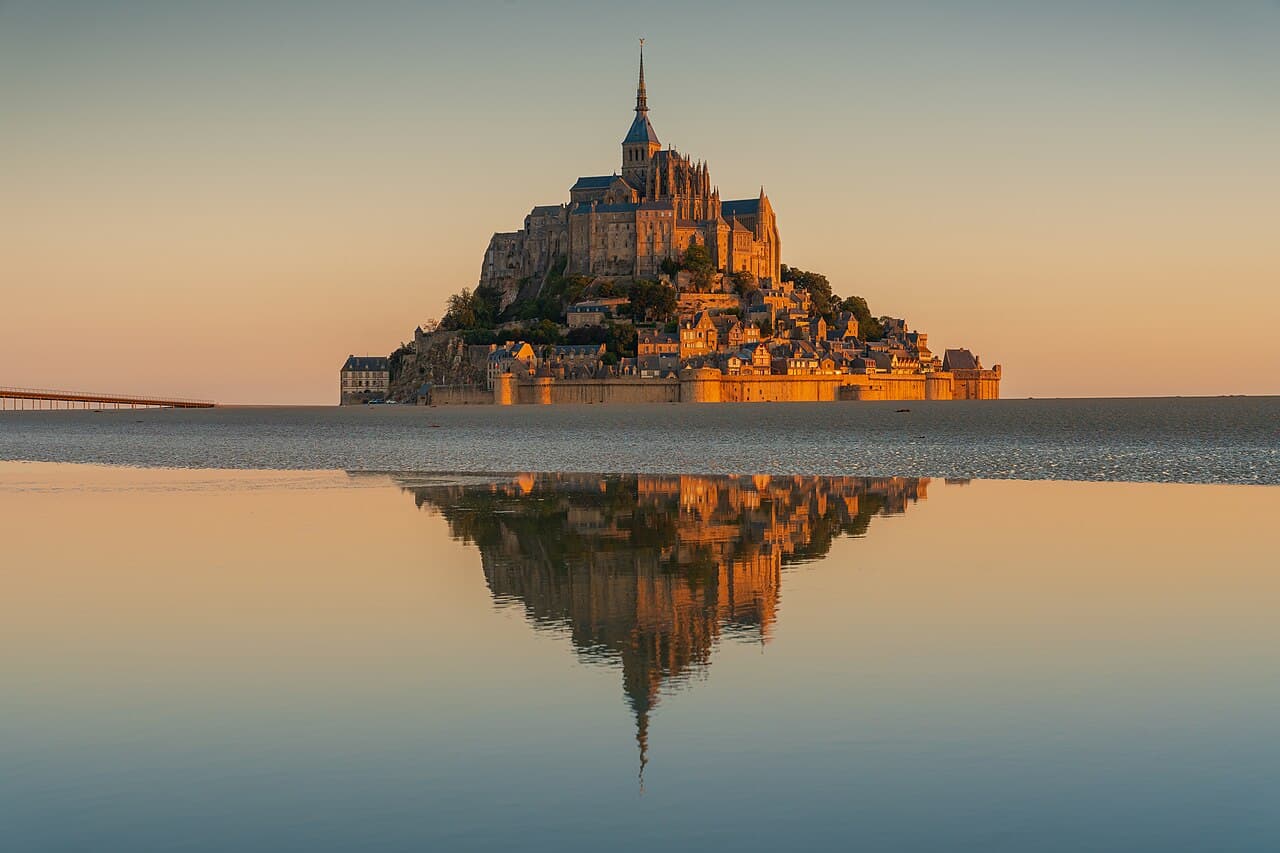
FrancePhoto: Lynx1211 / Wikimedia Commons (CC BY-SA 4.0)

France

Country · FR · EUR · Europe/Paris

This information may change. Always check the official source.Last verified: August 2026 by

Schengen 90/180 with EES biometrics at the border since April 2026. France is one of the few countries that publishes an exact daily funds figure - EUR 120 a day without a booked hotel, EUR 65 with one.

  • 90 days in any 180 across the whole Schengen area for the USA, UK, Canada, Australia, Japan, South Korea and other visa-exempt nationalities.
  • France publishes exact daily funds figures and does ask: EUR 120 a day with no booked accommodation, EUR 65 a day with a hotel booking, EUR 32.50 with an approved attestation d'accueil.
  • EES biometrics have been live at French borders since 10 April 2026 - photographed and fingerprinted at kiosks before the desk, no stamp, and overstays calculated automatically.
  • ETIAS is not live and no launch date has been announced. The fee will be EUR 20 when it comes, and any site selling one today is a fraud.
  • France does not accept the 12-page emergency passports some US embassies issue for visa-free entry, and holders have been refused boarding.
More details

How your entry route is decided

France applies the Schengen rules, and it applies the documentary conditions more literally than most.

  1. EU / EEA / Swiss citizens have freedom of movement. A valid national identity card or passport is all you need.
  2. Visa-exempt third-country nationals (the USA, United Kingdom, Canada, Australia, Japan, South Korea, Singapore, Malaysia, Taiwan and others) get 90 days in any 180-day period across the whole Schengen area.
  3. Everyone else applies for a Schengen type visa through the France-Visas portal before departure, lodged via VFS Global, TLScontact or Capago. The fee is EUR 90 for adults.

Passport rule: issued within the last 10 years and valid at least 3 months beyond the day you leave the Schengen area. Consulates advise keeping 6 months to avoid a boarding refusal.

One French quirk worth knowing: France does not accept the 12-page emergency passports issued by some US embassies for visa-free entry. Holders have been refused boarding.

What the officer can ask for

  • A return or onward ticket out of the Schengen area - flight, train or coach.
  • Proof of accommodation for the whole stay: a hotel booking, or an attestation d'accueil if you are staying with someone. That document must be obtained in advance by your host from their local mairie and shown as an original.
  • Proof of funds, and France publishes the numbers: EUR 120 per day with no pre-booked accommodation, EUR 65 per day with a hotel booking, and EUR 32.50 per day if you hold an approved attestation d'accueil. Cash, bank cards or recent statements all count.
  • Travel health insurance of at least EUR 30,000 covering emergency treatment and repatriation.

Formalities that apply to everyone

  • EES biometrics: since 10 April 2026 the EU Entry/Exit System is fully live at French borders. You are photographed and fingerprinted at self-service kiosks before reaching the desk, and the stamp is gone. Overstays are calculated automatically.
  • ETIAS is not live yet. The fee is fixed at EUR 20, with under-18s and over-70s exempt, but as of August 2026 no launch date has been announced and no applications are open. Sites selling ETIAS today are frauds.
  • Long-stay visa holders (VLS-TS) must validate the visa online within 3 months of arrival on the interior ministry portal.

Overstaying brings administrative detention, fines, a removal order and an entry ban recorded in the Schengen Information System.

Sources (4)

France applies the standard EU allowance, and the Andorran border is where it bites: Andorra is outside the EU customs union.

  • Between EU countries there is no duty-free limit. Goods bought tax-paid in another member state travel with you; customs may only ask what a very large quantity is for, against indicative figures of 800 cigarettes and 10 litres of spirits.
  • Arriving from outside the EU the allowance is one set of numbers: 200 cigarettes, 1 litre of spirits over 22 % (or 2 litres of fortified or sparkling wine), 4 litres of still wine and 16 litres of beer.
  • Other goods are capped by value - EUR 430 arriving by air or sea, EUR 300 by land - and the allowance cannot be pooled between travellers for a single item.
More details
  • Between EU countries there is no duty-free limit. Goods bought tax-paid in another member state travel with you; customs may only ask what a very large quantity is for, against indicative figures of 800 cigarettes and 10 litres of spirits.
  • Arriving from outside the EU the allowance is one set of numbers: 200 cigarettes, 1 litre of spirits over 22 % (or 2 litres of fortified or sparkling wine), 4 litres of still wine and 16 litres of beer.
  • Other goods are capped by value - EUR 430 arriving by air or sea, EUR 300 by land - and the allowance cannot be pooled between travellers for a single item.
  • Cash of EUR 10,000 or more must be declared, counting notes, coins, cheques and prepaid cards together. The money is seized for not declaring it, not for carrying it.
  • The Andorran border is a customs border. Coming down from Andorra you are entering the EU from outside it, and the queues at Pas de la Casa exist because the allowance is checked.
Sources (1)

Excellent care and safe tap water, but painkillers are pharmacy-only and the rules on bringing your own medication are strict - 28 days for controlled drugs, and Adderall is simply illegal in France.

  • Care is excellent and the tap water is safe everywhere, with no vaccinations required.
  • Painkillers are pharmacy-only. Paracetamol and ibuprofen are not sold in supermarkets - look for the green cross.
  • Ordinary prescription medicine: up to a 3-month supply for personal use, in original packaging with a signed prescription.
  • Controlled drugs: a maximum 28-day supply, carried in hand luggage with a doctor's letter or an ANSM certificate. Posting medication into France is illegal.
  • Adderall and other amphetamine-based ADHD medicines are illegal to bring into France at all. This catches out a lot of American travellers; methylphenidate is allowed but needs the paperwork.
More details

Care is excellent and the tap water is safe everywhere. No vaccinations are required; keep routine ones current.

  • Hospitals: AP-HP in Paris, Hospices Civils de Lyon and CHU de Nice run emergency departments. Private cliniques give faster specialist access.
  • Insurance: at least EUR 30,000 of cover for treatment and repatriation is mandatory for short-stay visa applicants and strongly advised for everyone else. EU and EEA visitors should carry the EHIC.
  • Pharmacies only, marked by a green cross. Paracetamol and ibuprofen are not sold in supermarkets.
  • Tiger mosquitoes carry a small seasonal dengue risk in the south in late summer. No malaria anywhere in metropolitan France.

Bringing your own medication - read this before you pack

  • Ordinary prescription medicine: up to a 3-month supply for personal use, kept in the original packaging with a signed prescription.
  • Controlled drugs (stupefiants): a maximum 28-day supply, carried in person in hand luggage, with a doctor's letter or an ANSM certificate. Posting or shipping medication into France is illegal.
  • Adderall and other amphetamine-based ADHD medicines are not authorised in France and are illegal to bring in at all. This catches out a lot of American travellers. Methylphenidate (Ritalin, Concerta) is authorised but classified as a narcotic and needs the Schengen or ANSM paperwork.
Sources (2)

Paris

Long-term averages for Paris: the mean daily high, the mean overnight low and the mean monthly rainfall across 30 years of ERA5 reanalysis data (1995–2024).

DayNight
0510152025°C0100mmJanFebMarAprMayJunJulAugSepOctNovDecJanuary: Day 7 °C, Night 2 °C, Rain 56 mm. February: Day 9 °C, Night 2 °C, Rain 50 mm. March: Day 12 °C, Night 3 °C, Rain 55 mm. April: Day 15 °C, Night 6 °C, Rain 50 mm. May: Day 19 °C, Night 9 °C, Rain 67 mm. June: Day 22 °C, Night 13 °C, Rain 61 mm. July: Day 24 °C, Night 15 °C, Rain 56 mm. August: Day 24 °C, Night 15 °C, Rain 61 mm. September: Day 21 °C, Night 12 °C, Rain 50 mm. October: Day 17 °C, Night 9 °C, Rain 65 mm. November: Day 11 °C, Night 5 °C, Rain 60 mm. December: Day 8 °C, Night 2 °C, Rain 71 mm
Show the monthly table
Paris
MonthDay (°C)Night (°C)Rain (mm)
January7256
February9250
March12355
April15650
May19967
June221361
July241556
August241561
September211250
October17965
November11560
December8271

Nice

Long-term averages for Nice: the mean daily high, the mean overnight low and the mean monthly rainfall across 30 years of ERA5 reanalysis data (1995–2024).

DayNight
51015202530°C0200mmJanFebMarAprMayJunJulAugSepOctNovDecJanuary: Day 12 °C, Night 5 °C, Rain 68 mm. February: Day 12 °C, Night 5 °C, Rain 63 mm. March: Day 15 °C, Night 7 °C, Rain 66 mm. April: Day 17 °C, Night 10 °C, Rain 76 mm. May: Day 21 °C, Night 13 °C, Rain 64 mm. June: Day 25 °C, Night 18 °C, Rain 47 mm. July: Day 27 °C, Night 20 °C, Rain 24 mm. August: Day 28 °C, Night 21 °C, Rain 28 mm. September: Day 24 °C, Night 17 °C, Rain 63 mm. October: Day 20 °C, Night 14 °C, Rain 107 mm. November: Day 15 °C, Night 9 °C, Rain 132 mm. December: Day 12 °C, Night 6 °C, Rain 88 mm
Show the monthly table
Nice
MonthDay (°C)Night (°C)Rain (mm)
January12568
February12563
March15766
April171076
May211364
June251847
July272024
August282128
September241763
October2014107
November159132
December12688

Lyon

Long-term averages for Lyon: the mean daily high, the mean overnight low and the mean monthly rainfall across 30 years of ERA5 reanalysis data (1995–2024).

DayNight
051015202530°C0100mmJanFebMarAprMayJunJulAugSepOctNovDecJanuary: Day 7 °C, Night 1 °C, Rain 68 mm. February: Day 9 °C, Night 1 °C, Rain 55 mm. March: Day 13 °C, Night 3 °C, Rain 62 mm. April: Day 16 °C, Night 6 °C, Rain 76 mm. May: Day 20 °C, Night 10 °C, Rain 93 mm. June: Day 25 °C, Night 14 °C, Rain 79 mm. July: Day 27 °C, Night 16 °C, Rain 77 mm. August: Day 27 °C, Night 16 °C, Rain 74 mm. September: Day 22 °C, Night 13 °C, Rain 78 mm. October: Day 18 °C, Night 9 °C, Rain 98 mm. November: Day 11 °C, Night 4 °C, Rain 98 mm. December: Day 7 °C, Night 1 °C, Rain 76 mm
Show the monthly table
Lyon
MonthDay (°C)Night (°C)Rain (mm)
January7168
February9155
March13362
April16676
May201093
June251479
July271677
August271674
September221378
October18998
November11498
December7176
Sources (1)

EUR 120 to EUR 200 for a mid-range Paris double, plus a taxe de sejour of EUR 2.60 to EUR 15.60 per person per night. Every host must complete a police record, so the passport comes out at check-in.

  • Have the passport in hand at check-in. Hosts are legally required to complete an individual police record for every foreign guest.
  • A mid-range Paris double is EUR 120 to EUR 200, a 2-star EUR 70 to EUR 130, a hostel EUR 30 to EUR 80.
  • The taxe de sejour is charged on top, from EUR 2.60 a person a night in a hostel to EUR 15.60 in a palace hotel, and it is often collected in cash at the desk.
  • Airbnb-style rentals are taxed at 5% of the nightly rate per person, capped at EUR 15.60. Under-18s are exempt everywhere.
  • In Paris, Le Marais is central and walkable, Saint-Germain has the classic cafe streets, and the 9th around Opera has the best transport and airport links.
More details

Have the passport in hand at check-in. Hosts are legally required to complete an individual police record (fiche individuelle de police) for foreign guests, checking a passport for non-EU visitors or a national ID card for EU ones.

Accommodation in France
TypePrice per night
Hostel or 1-starEUR 30 to 80
2-star or budget hotelEUR 70 to 130
3-starEUR 120 to 200
4-starEUR 180 to 350
5-star and palaceEUR 300 to 1,000 and up

The tourist tax is charged on top

Paris rates per person per night: palace EUR 15.60, 5-star EUR 11.38, 4-star EUR 8.45, 3-star EUR 5.53, 2-star EUR 3.25, hostel or 1-star EUR 2.60. Unclassified rentals such as Airbnb are taxed at 5% of the nightly rate per person, capped at EUR 15.60. Under-18s are exempt. It is often collected in cash at the desk rather than included in the online price.

Where to stay for a first visit

  • Paris: Le Marais in the 3rd and 4th for central, walkable boutique lodging; Saint-Germain-des-Pres in the 6th for the classic cafe streets; Opera and Grands Boulevards in the 9th for the best transport connections and easy airport access.
  • Nice: Carre d'Or for the beach and restaurants; Vieux Nice for the old town; the Promenade des Anglais for the view, at a price.
  • Lyon: Presqu'ile in the 1st and 2nd, on the spit between the Rhone and the Saone; Vieux Lyon in the 5th for Renaissance streets and the traditional bouchons.

Booking platforms: Booking.com and Airbnb dominate, Abritel is the French VRBO, and Gites de France is the one to know for rural bed-and-breakfasts.

Sources (2)

French prepaid is expensive because the cheap forfaits need a French bank account. SFR sells a tourist SIM with 60 GB for EUR 34.99; an international eSIM roaming on Orange costs a fraction of that and needs no passport queue.

  • The cheap French deals are not available to you - the famous EUR 10 forfaits need a French bank IBAN, so visitors pay three to four times as much on tourist packages.
  • Passport registration is mandatory by law for any French prepaid SIM, and staff scan your identity page at the counter.
  • SFR's tourist SIM is the best local value: 60 GB of 5G, unlimited European calls and 120 international minutes for 30 days at EUR 34.99.
  • For under two weeks, an international eSIM is cheaper and faster - Saily is USD 11.99 for 5 GB over 30 days and activates before you land.
  • EU and EEA visitors need nothing at all, and Orange has the strongest national coverage if you do want a local network.
More details

If you are here for under two weeks, buy an international eSIM and skip the counter entirely.

  • The cheap French deals are not available to you. The famous EUR 10 forfaits require a French bank IBAN, so visitors are pushed onto tourist prepaid packages at three to four times the price.
  • Passport registration is mandatory by law at the point of sale for any French prepaid SIM. Staff scan your identity page.
  • An international eSIM from Saily roams on a French host network and activates before you land: USD 3.99 for 1 GB over 7 days, USD 11.99 for 5 GB over 30 days. For a short trip this is both cheaper and faster than queueing for a local chip.
  • EU and EEA visitors need nothing at all - roam-like-at-home applies.

The networks

  • Orange has the strongest national coverage, urban and rural, and is what most international eSIMs ride on. Its Holiday Prepaid pack with 12 GB to 30 GB and EU roaming is EUR 39.99.
  • SFR is close behind in cities and along transport corridors. Its tourist SIM or eSIM gives 60 GB of 5G, unlimited calls within Europe and 120 international minutes for 30 days at EUR 34.99 - the best value of the local tourist offers.
  • Bouygues Telecom sells a My European SIM data package at EUR 39.90.
  • Free Mobile is the low-cost operator, strong 5G in cities and weaker in the countryside. Its prepaid pass is EUR 19.99 plus a SIM fee, but eSIM support is limited to store kiosks.

Where to buy

  • Airport: Relay newsagents and electronics kiosks in the arrivals halls at Paris Charles de Gaulle, Paris Orly and Nice Cote d'Azur. Expect premium pricing and only the higher tourist tiers.
  • In town: the flagship stores of Orange, SFR, Bouygues Telecom and Free Mobile sell at standard rates and will set the phone up for you.

All four networks support native eSIM profiles if you would rather stay local.

Sources (3)

French sockets are Type at 230 V: the earth is a pin sticking out of the wall, so a plain Schuko plug will not enter one.

  • A Europlug fits every socket in the country. Phone chargers, laptop bricks and camera chargers all end in one, and none of them needs earthing.
  • A plain German Schuko plug does not fit. The French socket's earth pin gets in the way. Almost every appliance sold in Europe now ships with the hybrid CEE 7/7 plug, which is shaped for both, so this bites mainly on older kit and cheap extension leads.
  • British, American and Australian plugs need an adapter. Buy one before you fly; airport shops charge three times the supermarket price for the same thing.
  • 230 V is the danger for American appliances. A hair dryer or shaver marked 120 V only will burn out. Anything marked 100-240 V - which is nearly every charger made this century - is fine.
More details

Sockets in France are Type at 230 V, 50 Hz, and the earth is a pin standing out of the wall rather than a hole in it.

  • A Europlug fits every socket in the country. Phone chargers, laptop bricks and camera chargers all end in one, and none of them needs earthing.
  • A plain German Schuko plug does not fit. The French socket's earth pin gets in the way. Almost every appliance sold in Europe now ships with the hybrid CEE 7/7 plug, which is shaped for both, so this bites mainly on older kit and cheap extension leads.
  • British, American and Australian plugs need an adapter. Buy one before you fly; airport shops charge three times the supermarket price for the same thing.
  • 230 V is the danger for American appliances. A hair dryer or shaver marked 120 V only will burn out. Anything marked 100-240 V - which is nearly every charger made this century - is fine.
  • Older buildings often have unearthed sockets. They take the same plugs and simply leave the earth pin unconnected, which matters for a travel iron, not for a phone.
Sources (1)

Type and sockets at 230V, CET with summer time, and one social rule that matters more than any other: say bonjour before you say anything else.

  • Say bonjour first, every time, to everyone. Walking into a shop and going straight to your question is read as genuinely rude, and this one habit changes how you are treated.
  • Sockets are type and at 230V, 50Hz, so a dual-voltage device needs only a plug adapter.
  • 1 May is the serious public holiday - transport and commerce shut down almost entirely. Many small shops also close on Sundays and for a couple of hours at lunch.
  • Ask for une carafe d'eau in a restaurant and it is free by law, and street fountains marked eau potable are drinkable.
  • English is fine in Paris, Nice and Lyon hotels and attractions and drops off quickly in rural areas.
More details

Say bonjour first. Every time, to everyone.

Walking into a shop, a bakery or a pharmacy and going straight to your question is read as genuinely rude in France - not brusque, rude. Bonjour (or bonsoir after dark) before anything else, and merci, au revoir on the way out. This single habit changes how you are treated more than any amount of French vocabulary.

  • Power: Type and sockets, 230V, 50Hz. Dual-voltage devices need only a plug adapter.
  • Time: CET (UTC+1) in winter, CEST (UTC+2) from the last Sunday in March to the last Sunday in October.
  • Shops: roughly 09:30 or 10:00 to 19:30 or 20:00, Monday to Saturday. Many small shops close Sunday, and plenty close for a couple of hours at lunch. Large supermarkets and shops in tourist zones open Sunday mornings.
  • Public holidays: 1 May is the serious one - transport and commerce shut down almost entirely. 14 July and 25 December also close most things.
  • Tap water is safe everywhere. Ask for une carafe d'eau in a restaurant and it is free by law. Street fountains marked eau potable are drinkable.
  • Toilets: the automated sanisettes on Paris streets are free.
  • Language: English is fine in hotels, attractions and larger restaurants in Paris, Nice and Lyon, and drops off quickly in rural areas.
  • Dress: shoulders and knees covered in cathedrals.
Sources (2)

Contactless works nearly everywhere including bakeries and transit gates. Withdraw at BNP Paribas, Societe Generale or Credit Agricole machines, avoid Euronet, and remember service is already included so tipping is optional.

  • Contactless is universal - bakeries, pharmacies, transit gates, taxis. Keep EUR 1 to EUR 10 in coins for open-air markets and some public toilets.
  • Use bank ATMs - BNP Paribas, Societe Generale, Credit Agricole, LCL, La Banque Postale - which add no fee of their own for a foreign card.
  • Avoid Euronet machines, clustered around landmarks and stations, which combine a heavy access fee with an aggressive conversion prompt.
  • Decline dynamic currency conversion every time. Paying in your own currency instead of euro costs 6% to 12% over the interbank rate.
  • Service is legally included, so tipping is optional and never expected. Coffee costs less standing at the counter than at a table, and that tariff is displayed by law.
More details

Money and paying for things

France uses the euro (EUR).

  • Contactless is universal - bakeries, pharmacies, transit gates, taxis, restaurants all take Visa, Mastercard, Apple Pay and Google Pay. Keep EUR 1 to EUR 10 in coins for open-air markets, some public toilets and the occasional very small purchase.
  • Use bank ATMs: BNP Paribas, Societe Generale, Credit Agricole, LCL, BPCE and La Banque Postale do not add their own fee for a foreign card. Withdrawal limits run EUR 300 to EUR 500 per transaction.
  • Avoid Euronet. Its machines cluster around landmarks and stations and combine a heavy access fee with an aggressive conversion prompt.
  • Decline dynamic currency conversion every time. Paying in your own currency instead of euro costs 6% to 12% over the interbank rate. Choose EUR.
  • Do not use the airport bureaux de change such as Travelex at CDG or Orly - wide spreads plus commission on a service an ATM does better.

Tipping

Service is legally included. French bills carry a 15% service charge (service compris), so tipping is entirely optional and never expected. Rounding up EUR 1 to EUR 2 for good cafe service, or leaving around EUR 5 after a fine-dining meal, is a compliment rather than an obligation.

What things cost

Money and payments in France
ItemTypical price
Espresso (cafe)EUR 2.00 to 3.50
Bakery lunch formuleEUR 6.50 to 10.00
Bistro main course (plat)EUR 15.00 to 24.00
Bottled water, 1.5 litreEUR 0.80 to 1.80
Paris metro or RER singleEUR 2.55
Nice tram or bus singleEUR 1.70
Taxi, per kilometreEUR 1.27 to 1.76 by time band

Coffee costs less standing at the counter than sitting at a table, and less inside than on the terrace. That is not a scam, it is the published tariff - it is displayed by law.

Sources (2)

Everyday prices

Typical prices in euro (EUR), averaged across the country by Numbeo and read on 12 August 2026. Tick Convert prices above the table to see every amount in your own currency.

Everyday prices
ItemTypical price
Inexpensive restaurant meal15 EUR
Dinner for two, mid-range, three courses60 EUR
Cappuccino3.43 EUR
Local draught beer, 0.5 l6.00 EUR
Bottled water, 0.33 l1.92 EUR
Public transport, one-way ticket1.90 EUR
Taxi, starting fare4.40 EUR
Petrol, 1 litre1.84 EUR
Cigarettes, pack of 20 (Marlboro)12 EUR
Average net monthly salary2,430 EUR

These are country-wide averages, not a price list: tourist districts, airports and islands sit well above them, and small towns below. The salary line is there for proportion - it is what people living here actually earn.

Sources (1)

Airport guides for France32

One page per airport: the routes into town, what they cost and the trap particular to that arrival.

See all 32 airports

Paris airport transfers changed in 2026: Roissybus stopped on 1 March 2026 and the EUR 14 Paris Region Airports ticket is sold only in digital form. Taxi fares from CDG and Orly are fixed by decree, so nothing should ever be negotiated.

  • Roissybus stopped running on 1 March 2026, so the bus most guides still recommend from CDG no longer exists.
  • The RER B is EUR 14 and 30 to 50 minutes to Gare du Nord and Chatelet - but the ticket is digital only, loaded onto a Navigo Easy card or your phone. There is no paper version any more.
  • CDG taxis are fixed by decree at EUR 56 to the Right Bank and EUR 65 to the Left, identical day and night with tolls included, so nothing is ever negotiated.
  • Orly is now on metro line 14, 25 to 35 minutes to Chatelet and Gare de Lyon on the same EUR 14 ticket; regulated taxis are EUR 36 and EUR 45.
  • At Nice the airport tram section is free. Ride to Grand Arenas, then buy a card and a standard single for EUR 3.70 total instead of the EUR 6 airport ticket the machines push.
More details
Paris Charles de Gaulle (CDG)

CDG is 25 km northeast of Paris, and the bus everyone used to recommend no longer exists - Roissybus stopped running on 1 March 2026.

  • RER B - EUR 14, 30 to 50 minutes. The direct train to Gare du Nord, Chatelet-Les Halles and Denfert-Rochereau, running 04:50 to 23:50 every 7 to 15 minutes. Stations are at Terminal 2 and, via the free CDGVAL shuttle, at Terminal 1.
  • The ticket is digital only. The Ticket Paris Region Aeroports at EUR 14 must be loaded onto a Navigo Easy card, the Ile-de-France Mobilites app, or a phone or watch wallet. There is no paper version any more, which strands travellers who arrive expecting a machine to print one. It includes up to 2 hours of transfers across zones 1 to 5.
  • Regulated taxi - EUR 56 to the Right Bank, EUR 65 to the Left Bank. Fixed by the Police Prefecture, identical day and night, tolls included, 35 to 60 minutes. Ranks are outside arrivals: Terminal 1 exit 24, Terminal 2A to 2D exit 6, Terminal 2E to 2F arrivals gate 10, Terminal 3 at the arrivals exit.
  • RATP buses 350 and 351 to Gare de l'Est and Nation are the budget road option at EUR 2 to EUR 4, but take 70 to 90 minutes.
  • Uber, Bolt and Heetch pick up at marked VTC zones at T1, T2 and T3. In rush hour the surge routinely exceeds the fixed taxi fare, so compare before booking.
Paris Orly (ORY)

Orly is 13 km south of Paris and metro line 14 now runs into it.

  • Metro line 14 - EUR 14 on the same Paris Region Airports ticket, 25 to 35 minutes to Chatelet and Gare de Lyon, running 05:30 to 00:30 every 3 to 6 minutes. This is the fastest and simplest way in.
  • Regulated taxi - EUR 36 to the Left Bank, EUR 45 to the Right Bank, set by prefectural decree, the same price day or night, 25 to 45 minutes. Ranks at Orly 1-2 gate 14a and Orly 4 gate 48a.
  • Orlybus no longer runs - it was withdrawn in March 2025.
Nice Cote d'Azur (NCE)

Nice airport is 6.7 km from the centre, and there is a trick worth knowing.

  • Tram line 2 - and the airport section is free. Trams run 05:00 to 00:00 every 8 to 10 minutes, 25 to 30 minutes to Jean Medecin, Place Garibaldi and Port Lympia.
  • Do not buy the EUR 6 airport single or the EUR 10 airport return the terminal machines push at you. Ride free to Grand Arenas, then buy a rechargeable card (EUR 2.00) plus a standard single (EUR 1.70) - EUR 3.70 in total for the same journey.
  • Regulated taxi - EUR 32 flat to central Nice, 24 hours a day, 12 to 20 minutes. Other fixed Riviera fares: Antibes EUR 72, Cannes EUR 85, Monaco EUR 95. Ranks at Terminal 1 gate A1 and Terminal 2 gate A3.
  • Uber and Bolt cost EUR 20 to EUR 28 off-peak but surge past the regulated EUR 32 when it is busy.

Ignore anyone offering you a ride inside the terminal. Paris and Nice both regulate airport taxi fares precisely because touts used to be the problem; a licensed driver waits at the rank and charges the published fare.

Sources (3)

Getting around the city, and which apps to install

A Paris metro or RER single is EUR 2.55 and a bus or tram single EUR 2.05, both sold digitally on Navigo Easy. Between cities the TGV is fast and cheap if booked ahead, ruinous if bought on the day.

  • Paris fares are flat across the region: EUR 2.55 for a metro, RER or train single and EUR 2.05 for a bus or tram, sold digitally on a Navigo Easy card or your phone.
  • Airport journeys are priced separately at EUR 14. A normal single will not get you to CDG or Orly.
  • Book the train early. A TGV bought weeks out can be a quarter of the walk-up fare, and Ouigo is the budget high-speed brand.
  • Strikes happen and they are announced. A greve on the RATP or SNCF is published days ahead in the apps - check the morning of a travel day rather than assuming.
  • Heetch is the French ride-hailing competitor and is often cheaper than Uber or Bolt in cities at night.
More details

Paris fares were simplified in 2025 and are now flat across the region - but they are sold digitally, not on paper.

  • Paris: a metro, RER or train single is EUR 2.55; a bus or tram single is EUR 2.05. One flat price wherever you travel in the region, transfers included within the mode. Load tickets onto a Navigo Easy card, the Ile-de-France Mobilites app, or your phone wallet.
  • Airport journeys are priced separately at EUR 14 on the Paris Region Airports ticket. A normal single will not get you to CDG or Orly.
  • Nice: Lignes d'Azur runs the buses and trams; a single is EUR 1.70 on a EUR 2.00 rechargeable card.
  • Lyon: TCL runs metro, tram, bus and the two funiculars on one ticket.
  • Ride-hailing: Uber and Bolt are everywhere; Heetch is the French competitor and is often cheaper in cities at night.
  • Between cities, book the train early. SNCF runs TGV InOui (full service), Ouigo (budget high speed) and TER (regional). A TGV booked weeks out can be a quarter of the walk-up fare. FlixBus and BlaBlaCar Bus undercut rail on time-insensitive routes, and BlaBlaCar carpooling is genuinely mainstream here.
  • Strikes happen and they are announced. A greve on the RATP or SNCF is published days ahead in the apps. Check the morning of a travel day rather than assuming.
  • Watch the cycle lanes and scooters. Central Paris is capped at 30 km/h for cars, but bikes and e-scooters move fast in their own lanes beside the pavement.

Apps and platforms

Bonjour RATP and Ile-de-France Mobilites for Paris tickets, SNCF Connect for anything on rails, and Citymapper for routing that understands strikes.

  • Install Ile-de-France Mobilites before you land - it buys and stores every Paris-region ticket, including the EUR 14 airport one.
  • Bonjour RATP is the official Paris routing app for metro, RER, bus and tram, with live disruption notices.
  • SNCF Connect covers all national rail - TGV InOui, Ouigo and TER bookings plus live platform information.
  • Citymapper gives the best routing in Paris and Lyon and, unlike most apps, reroutes around strikes properly.
  • BlaBlaCar carpooling is genuinely mainstream in France for long-distance journeys, and cheap.
More details
Sources (3)

French motorways charge by distance at barriers, city centres need a Crit'Air sticker, and the rural speed limit changed twice in five years.

  • Tolls are paid on exit by card or cash; the orange lanes marked with a "t" are for transponder holders only and blocking one is a fuss you do not want.
  • A Crit'Air sticker is required in a growing list of low-emission zones - Paris, Lyon, Grenoble, Strasbourg and others. It is ordered online from the government site and takes days to arrive by post, so it is a before-you-go job.
  • The alcohol limit is 0.5 g/l, and 0.2 g/l for drivers in their first three years.
  • The rural limit is 80 km/h on undivided roads, except where a department restored 90 - the signs are the authority, and the cameras follow the signs.
  • Priorite a droite still exists on unmarked junctions in villages, which is the one rule that catches British and American drivers.
More details

Tolls at barriers on the autoroutes, a Crit'Air sticker for the cities, and priorite a droite where nothing says otherwise.

  • Tolls are paid on exit by card or cash; the orange lanes marked with a "t" are for transponder holders only and blocking one is a fuss you do not want.
  • A Crit'Air sticker is required in a growing list of low-emission zones - Paris, Lyon, Grenoble, Strasbourg and others. It is ordered online from the government site and takes days to arrive by post, so it is a before-you-go job.
  • The alcohol limit is 0.5 g/l, and 0.2 g/l for drivers in their first three years.
  • The rural limit is 80 km/h on undivided roads, except where a department restored 90 - the signs are the authority, and the cameras follow the signs.
  • Priorite a droite still exists on unmarked junctions in villages, which is the one rule that catches British and American drivers.
Sources (1)

Violent crime against visitors is rare; pickpocketing around the Eiffel Tower, the Louvre and Gare du Nord is routine. Learn the gold ring, the clipboard petition and the friendship bracelet before you meet them.

  • The threat is your bag, not you. Ordinary visitors overwhelmingly meet only theft, concentrated around the Eiffel Tower, the Louvre and the big stations.
  • The gold ring: someone "finds" a ring on the pavement in front of you and offers it for emergency cash. It is brass.
  • The clipboard petition puts a fake charity board in front of your view while an accomplice works your pockets.
  • The friendship bracelet on the Sacre-Coeur steps is woven onto your wrist and then demanded payment for aggressively. Keep your hands down and keep walking.
  • Cannabis possession draws an on-the-spot criminal fine of EUR 200, and wildfires close forest access at short notice in Provence and Corsica in July and August.
More details

The threat is your bag, not you. France sits at "exercise increased caution" in US and UK advisories because of terrorism risk and frequent demonstrations, but ordinary visitors overwhelmingly meet only theft.

The scams you will actually be offered

  • The gold ring: someone "finds" a ring on the pavement in front of you and offers it for emergency cash. It is brass.
  • The clipboard petition: a fake charity petition near the Eiffel Tower, the Louvre or Sacre-Coeur, the board blocking your view while an accomplice works your pockets.
  • The friendship bracelet: men on the Sacre-Coeur steps weave string onto your wrist and then demand payment aggressively. Keep your hands down and keep walking.
  • Airport taxi touts inside baggage halls, charging unmetered rates far above the fixed EUR 56, EUR 65, EUR 36 and EUR 45 airport fares.

Where to be alert late at night

  • Paris: Gare du Nord, Gare de l'Est and Chatelet-Les Halles after dark, and the northern peripheral areas of Seine-Saint-Denis.
  • Lyon: around Perrache station late at night.
  • Nice: isolated northern quarters such as L'Ariane after dark.

Rules and hazards

  • Drugs are strictly enforced, cannabis included. Possession draws an on-the-spot criminal fine (amende forfaitaire delictuelle) of EUR 200.
  • Demonstrations and strikes are frequent and usually announced. They are rarely dangerous but they close streets and stations at short notice.
  • Wildfires are a real summer risk in Provence, on the Cote d'Azur and in Corsica in July and August; access to forest areas gets closed at short notice.
  • Winter flooding along the Seine and Rhone can disrupt riverside transport.

Solo and female travellers are safe; a firm "Non merci" ends persistent street approaches. LGBTQ+ travellers have full legal equality and high acceptance in the cities.

Sources (2)

112 works for everything, but France also keeps 15 for ambulance, 17 for police and 18 for fire. SOS Medecins on 3624 sends a doctor to your hotel room for things that are urgent but not emergencies.

  • 112 routes to police, fire or ambulance with English spoken, while France also keeps 15 for SAMU ambulance, 17 for police and 18 for the fire service.
  • SOS Medecins on 3624 is the number worth remembering - a doctor comes to your hotel room, which for a fever at 22:00 beats a Paris emergency department.
  • The fire service are the usual first responders to trauma, not the ambulance.
  • A lost passport starts with a declaration at a Commissariat de Police. No embassy will issue an emergency travel document without that written statement.
  • The US embassy in Paris allows no laptops or large bags on the premises, and there is nowhere to leave them.
More details

Emergency numbers

  • 112 - the European emergency number, routes to police, fire or ambulance, English spoken
  • 15 - SAMU, medical emergencies and ambulance
  • 17 - Police Secours
  • 18 - Sapeurs-Pompiers, fire and rescue, and the usual first responders to trauma
  • 3624 - SOS Medecins, a 24-hour doctor call-out service for urgent but non-emergency problems

SOS Medecins is the number worth remembering. A doctor comes to your hotel room, which for a fever or an infection at 22:00 is far better than a Paris emergency department.

If your passport is lost or stolen

  1. File a declaration (declaration de vol ou de perte) at the nearest Commissariat de Police. The written statement is required before any embassy will issue an emergency travel document.
  2. Contact your embassy.

Embassies in Paris

  • United States - 2 Avenue Gabriel, 75008 Paris, consular section at 4 Avenue Gabriel - +33 1 43 12 22 22 - Metro Concorde. No laptops or large bags are allowed on the premises, and there is nowhere to leave them.
  • United Kingdom - 35 Rue du Faubourg Saint-Honore, 75008 Paris - +33 1 44 51 31 00
  • Canada - 130 Avenue Victor Hugo, 75116 Paris - +33 1 44 43 29 00
  • Australia - 4 Rue Jean Rey, 75015 Paris - +33 1 40 59 33 00 - Metro Bir-Hakeim

EU and EEA citizens are covered by the EHIC for necessary state care. Schengen visa holders must carry at least EUR 30,000 of medical insurance.

Sources (1)