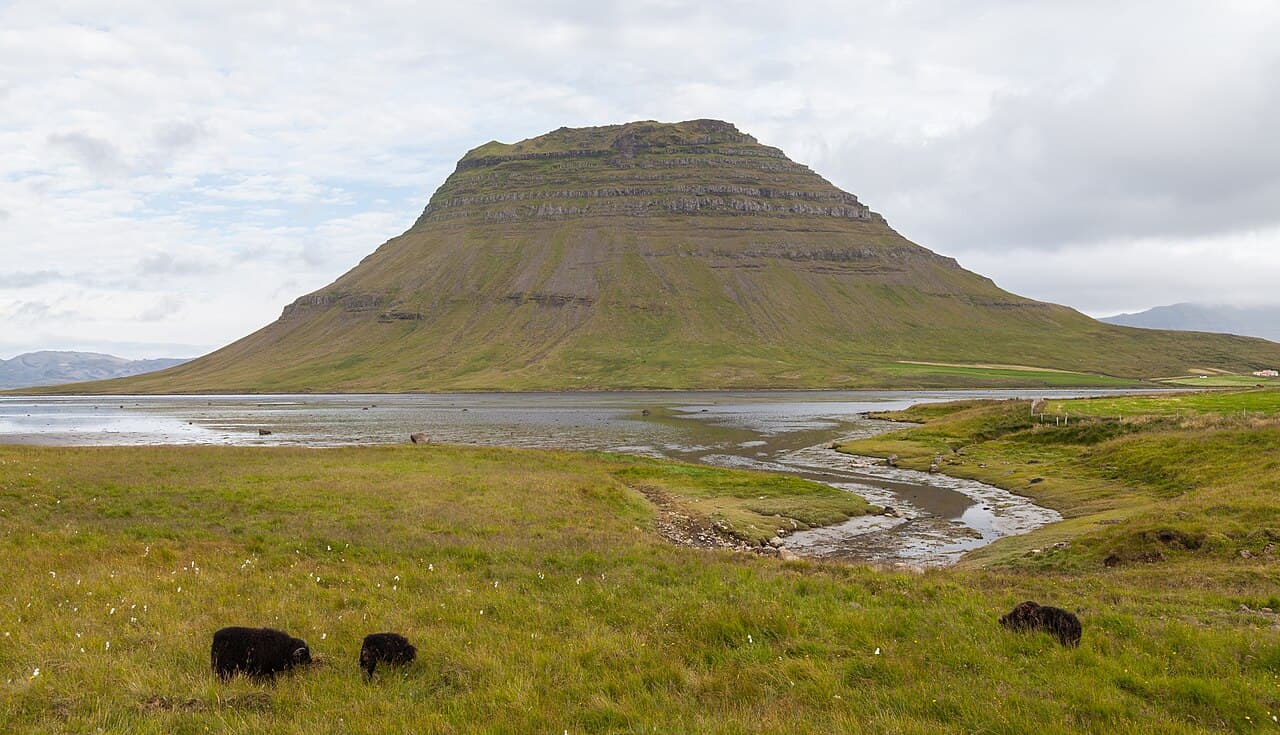
IcelandPhoto: Diego Delso / Wikimedia Commons (CC BY-SA 4.0)

Iceland

Country · IS · ISK · Atlantic/Reykjavik

This information may change. Always check the official source.Last verified: August 2026 by

Iceland is in Schengen, so 90 days in any 180 applies and your Schengen clock may already be running. Since 10 April 2026 every non-EU arrival is registered biometrically in EES at Keflavik. ETIAS is approved but still has no launch date.

  • Iceland is in Schengen, so your 90 days in any 180 are shared - days already spent in Germany or Spain count against your Iceland stay.
  • Passport issued within the last 10 years and valid 3 months beyond departure, though airlines enforce a 6-month rule, so treat that as the working minimum.
  • EES biometrics have been live since 10 April 2026, captured at self-service kiosks before the officer's desk at Keflavik, replacing the passport stamp.
  • ETIAS is legislated but not live and has no launch date - the fee will be EUR 20. Any site selling you one today is a scam.
  • Alcohol matters more here than you expect. The duty-free allowance is small and drink outside the airport is sold only in state Vinbudin shops at high prices.
More details

How your entry route is decided

Iceland is a full Schengen member, so your nationality decides everything.

  1. EU / EEA / Swiss citizens travel under freedom of movement. No visa, and no passport needed either - a valid national identity card is enough.
  2. Visa-exempt third-country nationals (the USA, United Kingdom, Canada, Australia, Japan, South Korea, Singapore, Malaysia, Taiwan and others) enter without a visa for up to 90 days in any 180-day period. That allowance is shared across the whole Schengen area, so days already spent in Germany or Spain count against your Iceland stay.
  3. Visa-required nationals (including China, India, Russia, Saudi Arabia and Cambodia) need a Schengen type visa before departure, applied for at an Icelandic mission or a partner embassy. The standard fee is EUR 90 and travel health insurance covering at least EUR 30,000 is part of the file.

Passport rule: your passport must have been issued within the last 10 years and stay valid at least 3 months beyond the day you leave the Schengen area. Airlines routinely enforce a stricter 6-month rule at check-in, so treat 6 months as the working minimum.

Formalities that apply to everyone

  • EES biometrics: The EU Entry/Exit System has been fully rolled out since 10 April 2026. Your face and fingerprints are captured at your first crossing and replace the passport stamp; overstays are detected automatically. At Keflavik this happens at self-service kiosks before the officer's desk.
  • ETIAS is not live yet. The authorisation was legislated and the fee set at EUR 20, with under-18s and over-70s exempt, but as of August 2026 the European Commission has published no launch date and the system is not accepting applications. Any site selling you an ETIAS today is a scam.
  • Cash declaration: carrying EUR 10,000 or more in cash or bearer instruments in or out means filing form TS-E29 with Iceland Revenue and Customs.
  • Alcohol matters more here than you expect. Iceland's duty-free allowance is small and alcohol outside the airport is sold only in state Vinbudin shops at high prices, which is why the arrivals-hall duty-free store is the busiest in the building.

What actually matters in practice

  • Have the boring documents ready. Border officers may ask a third-country arrival for a return ticket, your first night's booking and evidence of funds. It is a short conversation if you can answer it and a long one if you cannot.
  • Overstaying is recorded, not overlooked. EES flags it automatically, and the penalty is a fine, removal and an entry ban logged in the Schengen Information System.
  • Emergency passports may not work. Some 12-page emergency travel documents are not accepted for visa-free Schengen entry; check with your embassy before flying rather than at the gate.
Sources (4)

Iceland's food rules are stricter than its duty-free limits, and used riding or fishing gear has to be disinfected before it lands.

  • Raw eggs, raw milk and uncooked meat may not be brought in. Iceland's livestock has no immunity to diseases the mainland lives with, and the ban is enforced rather than posted.
  • Used riding clothing, riding equipment and fishing tackle must be disinfected and certified before entry, or cleaned at the airport at your expense. Bringing a used saddle without paperwork is the classic mistake.
  • The alcohol quota is small and split by type - a litre of spirits, or trades of wine and beer against it - and the arrivals duty-free shop at Keflavik is where most people use it, because alcohol elsewhere is sold only through Vinbudin.
  • Tobacco is 200 cigarettes, and both quotas start at 20 for alcohol and 18 for tobacco.
More details
  • Raw eggs, raw milk and uncooked meat may not be brought in. Iceland's livestock has no immunity to diseases the mainland lives with, and the ban is enforced rather than posted.
  • Used riding clothing, riding equipment and fishing tackle must be disinfected and certified before entry, or cleaned at the airport at your expense. Bringing a used saddle without paperwork is the classic mistake.
  • The alcohol quota is small and split by type - a litre of spirits, or trades of wine and beer against it - and the arrivals duty-free shop at Keflavik is where most people use it, because alcohol elsewhere is sold only through Vinbudin.
  • Tobacco is 200 cigarettes, and both quotas start at 20 for alcohol and 18 for tobacco.
  • Cash equivalent to EUR 10,000 or more must be declared on entry or exit.
Sources (1)

No vaccinations are required, the tap water is spring water and there are no mosquito-borne diseases. The real health issue is cost: treatment for a non-EEA visitor is expensive, and painkillers are sold only in pharmacies.

  • No vaccinations are required or recommended beyond routine ones - no malaria, no dengue and effectively no mosquitoes.
  • Tap water is unchlorinated groundwater and safe everywhere. Hot water smells faintly of sulphur because it is geothermal; that is normal and harmless.
  • Costs are high for non-EEA visitors and are not waived in an emergency, so treat travel insurance as essential. EU and EEA visitors should carry an EHIC.
  • Painkillers are pharmacy-only. Paracetamol, ibuprofen and decongestants are not sold in supermarkets or petrol stations - bring what you normally use.
  • Prescription medicines are allowed up to a 100-day supply, and you may be asked for a doctor's letter. Medicinal cannabis and many CBD products are illegal to import.
More details

Iceland is one of the healthiest places you can arrive in - the risk is the bill, not the bugs.

  • No vaccinations are required or recommended beyond routine ones. There is no malaria, no dengue and effectively no mosquito problem.
  • Tap water is unchlorinated groundwater and is safe everywhere. Hot water smells faintly of sulphur because it is geothermal; that is normal and harmless.
  • Hospitals: Landspitali University Hospital in Reykjavik is the national emergency and referral centre. Regional towns have primary care clinics (heilsugaeslustod).
  • Costs are high for non-EEA visitors and are not waived in an emergency. Travel health insurance is mandatory for Schengen visa applicants and strongly advisable for everyone else. EU and EEA visitors should carry an EHIC, which covers necessary state treatment.
  • Pharmacies only. Paracetamol, ibuprofen and decongestants are sold exclusively in licensed pharmacies - Lyfja and Lyf og heilsa - and not in supermarkets or petrol stations. Bring what you normally use.

Bringing your own medication

  • Prescription medicines for personal use are allowed up to a 100-day supply, and you may be asked for a doctor's letter proving you need them.
  • Anabolic steroids and peptide hormones are capped at a 30-day supply.
  • Controlled and narcotic medicines need an import authorisation or a Schengen Article 75 certificate.
  • Medicinal cannabis and many CBD products are illegal to import without an explicit permit from the Icelandic Medicines Agency.
  • Do not have medication posted to you from outside the EEA - it is prohibited and will be seized.
Sources (2)

Reykjavik

Long-term averages for Reykjavik: the mean daily high, the mean overnight low and the mean monthly rainfall across 30 years of ERA5 reanalysis data (1995–2024).

DayNight
-5051015°C0200mmJanFebMarAprMayJunJulAugSepOctNovDecJanuary: Day 1 °C, Night -3 °C, Rain 131 mm. February: Day 1 °C, Night -3 °C, Rain 130 mm. March: Day 3 °C, Night -2 °C, Rain 120 mm. April: Day 6 °C, Night 0 °C, Rain 111 mm. May: Day 9 °C, Night 4 °C, Rain 97 mm. June: Day 13 °C, Night 7 °C, Rain 83 mm. July: Day 14 °C, Night 9 °C, Rain 88 mm. August: Day 14 °C, Night 9 °C, Rain 107 mm. September: Day 10 °C, Night 6 °C, Rain 140 mm. October: Day 6 °C, Night 2 °C, Rain 128 mm. November: Day 3 °C, Night 0 °C, Rain 116 mm. December: Day 2 °C, Night -3 °C, Rain 131 mm
Show the monthly table
Reykjavik
MonthDay (°C)Night (°C)Rain (mm)
January1-3131
February1-3130
March3-2120
April60111
May9497
June13783
July14988
August149107
September106140
October62128
November30116
December2-3131

Akureyri

Long-term averages for Akureyri: the mean daily high, the mean overnight low and the mean monthly rainfall across 30 years of ERA5 reanalysis data (1995–2024).

DayNight
-5051015°C0200mmJanFebMarAprMayJunJulAugSepOctNovDecJanuary: Day 0 °C, Night -5 °C, Rain 114 mm. February: Day 0 °C, Night -5 °C, Rain 100 mm. March: Day 0 °C, Night -4 °C, Rain 98 mm. April: Day 3 °C, Night -2 °C, Rain 70 mm. May: Day 6 °C, Night 2 °C, Rain 63 mm. June: Day 12 °C, Night 6 °C, Rain 63 mm. July: Day 15 °C, Night 9 °C, Rain 77 mm. August: Day 14 °C, Night 8 °C, Rain 89 mm. September: Day 10 °C, Night 5 °C, Rain 121 mm. October: Day 4 °C, Night 0 °C, Rain 152 mm. November: Day 1 °C, Night -4 °C, Rain 119 mm. December: Day 0 °C, Night -5 °C, Rain 117 mm
Show the monthly table
Akureyri
MonthDay (°C)Night (°C)Rain (mm)
January0-5114
February0-5100
March0-498
April3-270
May6263
June12663
July15977
August14889
September105121
October40152
November1-4119
December0-5117
Sources (1)

Expect 25,000 to 48,000 ISK for a mid-range hotel room and 6,000 to 12,000 ISK for a hostel bed. Stay in 101 Reykjavik for your first nights if you want to walk everywhere; every hotel is legally required to register you at check-in.

  • Iceland is expensive and accommodation is where you feel it first: a mid-range hotel room is 25,000 to 48,000 ISK and a hostel bed 6,000 to 12,000 ISK.
  • 101 Reykjavik is the obvious first choice - walking distance to Laugavegur, Hallgrimskirkja and Harpa, and where the Flybus drops you. Loudest at weekends.
  • Vesturbaer is the quiet coastal alternative just west of the centre, with the geothermal pool locals actually use.
  • You will be registered at check-in. Operators are legally obliged to record every guest, so a passport is required even at a hostel.
  • Book far ahead for June to August. Supply outside Reykjavik is genuinely limited and the good rural guesthouses sell out months in advance.
More details

Iceland is expensive and accommodation is where you feel it first.

Accommodation in Iceland
TypePrice per night
Hostel dormitory bed6,000 to 12,000 ISK
Guesthouse private room15,000 to 28,000 ISK
Mid-range 3-star hotel25,000 to 48,000 ISK
Boutique or luxury hotel50,000 ISK and up

Where to stay in Reykjavik for the first nights

  • Midborg (101 Reykjavik) - the downtown postcode, and the obvious first choice. Walking distance to Laugavegur, Hallgrimskirkja and Harpa, and where the Flybus drops you. Loudest at weekends.
  • Vesturbaer - immediately west of the centre. Quiet, coastal, timber houses, good cafes, and the Vesturbaejarlaug geothermal pool that locals actually use.
  • Laugardalur - east of the centre, family territory: botanical gardens, sports grounds and the large Laugardalslaug pool. Cheaper per night, needs a bus into town.

Practicalities

  • Booking.com and Airbnb dominate, but Hey Iceland is the one worth knowing for farm stays and rural guesthouses outside the capital.
  • You will be registered at check-in. Operators are legally obliged to record every guest, so a passport or national ID card is required even at a hostel.
  • An accommodation tax (gistingaskattur) is charged per unit per night. It is usually inside the booking total, but some small guesthouses collect it in person.
  • Book far ahead for June to August. Supply outside Reykjavik is genuinely limited and the good rural guesthouses sell out months in advance.
Sources (2)

Siminn has the coverage that matters once you leave the capital, and a 10 GB starter pack is 2,900 ISK. You can buy a SIM at the 10-11 in the Keflavik arrivals hall, but local eSIMs are sold in city stores rather than at the airport.

  • Buy for coverage, not price - the difference only shows up when you are 200 km from Reykjavik.
  • Siminn has the best rural and Ring Road reach, including mountain passes and the fjords. A 10 GB starter pack with calls and texts is 2,900 ISK.
  • EU and EEA visitors should do nothing - roam-like-at-home applies, so a local SIM is a waste of money.
  • The 10-11 store in Keflavik arrivals sells physical SIMs, which is the fastest option at 02:00 - but local eSIMs are sold only in city stores, not at the airport.
  • Download offline maps whichever network you pick. There are real dead zones in the highlands and on stretches of the eastern fjords.
More details

Buy for coverage, not for price - the difference only shows up when you are 200 km from Reykjavik.

  • Siminn has the best rural and Ring Road reach, including mountain passes and the fjords. It is the right default if you are driving anywhere outside the capital. A prepaid starter pack with 10 GB, 50 minutes and 50 SMS for 30 days costs 2,900 ISK; a 20 GB pack is 4,900 ISK.
  • Vodafone Iceland is strong in towns and along the main driving corridors. Its tourist pack with 1 GB plus unlimited local calls and SMS is 1,790 ISK, and a 10 GB top-up is 3,190 ISK.
  • Nova is the cheapest and the most urban. A 2 GB tourist pack is 1,990 ISK and a 20 GB pack 2,690 ISK, but reception thins out in the Westfjords and the interior highlands.

Where to buy

  • At Keflavik: the 10-11 convenience store in the arrivals hall and the tourist information counter both sell physical prepaid SIMs. This is the fastest option at 02:00.
  • In Reykjavik: the flagship stores of Siminn, Vodafone Iceland and Nova in the centre, plus many petrol stations, sell SIMs and can activate a local eSIM.
  • Local eSIMs are not sold at the airport shops. If you want an Icelandic eSIM rather than a plastic SIM, either buy it online before you fly or wait until you reach a city store.
  • Passport registration is required by law for a local prepaid SIM, so have your passport out at the counter.

The short verdict

  • EU and EEA visitors should do nothing. Roam-like-at-home applies in Iceland, so your domestic bundle works at domestic prices. Buying a local SIM is a waste of money.
  • Everyone else driving the Ring Road: buy Siminn. Coverage is the whole point.
  • Everyone else staying in Reykjavik for a weekend: an international eSIM from Saily on a local host network is enough, from USD 3.99 for 1 GB over 7 days, and it works the moment you land.
  • Download offline maps anyway. There are real dead zones in the highlands and on stretches of the eastern fjords, whichever network you pick.
Sources (3)

Icelandic sockets are Type Schuko at 230 V, the same as continental Europe.

  • A Europlug fits every socket in the country, so most European travellers need nothing.
  • British, American and Australian plugs need an adapter, and buying one in Reykjavik costs several times what it does at home.
  • 230 V, so American 120 V-only appliances need a converter.
  • Campervans and huts run on 12 V or on a hookup, and a 230 V socket in a van is only live when it is plugged in at a campsite.
  • Electricity here is cheap and almost entirely renewable, which is why hot water is unmetered in most guesthouses and heating is never the thing that trips a circuit.
More details

Sockets in Iceland are Type and at 230 V, 50 Hz - the round Schuko outlet.

  • A Europlug fits every socket in the country, so most European travellers need nothing.
  • British, American and Australian plugs need an adapter, and buying one in Reykjavik costs several times what it does at home.
  • 230 V, so American 120 V-only appliances need a converter.
  • Campervans and huts run on 12 V or on a hookup, and a 230 V socket in a van is only live when it is plugged in at a campsite.
  • Electricity here is cheap and almost entirely renewable, which is why hot water is unmetered in most guesthouses and heating is never the thing that trips a circuit.
Sources (1)

Type and sockets at 230V, GMT all year with no daylight saving, and English spoken by essentially everyone. The rule that catches visitors out is the naked communal shower before entering any geothermal pool.

  • Shower naked, with soap, before entering any geothermal pool. Communal showers are unclothed, attendants will send you back, and skipping it is the biggest social offence a tourist can commit here.
  • Iceland is on GMT all year with no daylight saving - near-continuous daylight in June, about four usable hours in December.
  • Sockets are type and at 230V, and English is spoken fluently by almost everyone.
  • Alcohol is sold only in state Vinbudin shops, which keep short hours and close on Sundays. Supermarkets sell no beer or wine.
  • Never drive off marked roads or tracks, and do not walk or camp on volcanic moss - a footprint in it takes decades to recover.
More details
  • Power: Type and sockets, 230V, 50Hz. UK, US and Australian devices need an adapter.
  • Time: Iceland is on GMT (UTC+0) all year and does not observe daylight saving. In June that means near-continuous daylight; in December, about four usable hours.
  • Language: English is spoken fluently by almost everyone. You will not need Icelandic for anything practical.
  • Tap water: free, excellent, everywhere. Cold tap is spring water; hot tap is geothermal and smells of sulphur.
  • Shops: general retail 10:00 to 18:00 on weekdays and 11:00 to 17:00 on Saturdays. Supermarkets Bonus and Kronan run roughly 10:00 to 20:00 daily.
  • Alcohol is sold only in state Vinbudin shops, which keep short hours and close on Sundays. Supermarkets sell no beer or wine.
  • Public holidays that close things completely: Christmas Day, New Year's Day, Good Friday, Easter Sunday and the National Day on 17 June.
  • Toilets: widely available; some rural sites charge 200 to 400 ISK by card.

Rules that visitors break

  • Shower naked, with soap, before entering a geothermal pool. This is not optional and it is not negotiable - communal showers are unclothed and attendants will send you back. Skipping it is the biggest social offence a tourist can commit here.
  • Never drive off marked roads or tracks. Off-road driving is illegal and carries heavy fines and prosecution, because the damage to the terrain lasts decades.
  • Do not walk or camp on volcanic moss. Eldhraun moss takes decades to recover from a footprint.
  • Do not buy bottled water. See above - locals find it genuinely absurd.
Sources (2)

Iceland is as close to cashless as any country gets - cards work for a 600 ISK hot dog and a rural toilet. Withdraw at Arion or Islandsbanki machines if you need notes at all, always decline conversion to your own currency, and do not tip.

  • You may not need cash at all. Cards and phone wallets work for street food stands, public toilets, rural parking meters and small museums.
  • If you do want notes, use Arion Bank or Islandsbanki machines and avoid the independent ATMs in high-traffic tourist streets.
  • Decline dynamic currency conversion every time - it carries a markup of roughly 5% to 8% over the mid-market rate.
  • Tipping is not a thing. Service and VAT are already in the listed price, and leaving a tip is mildly awkward rather than generous.
  • Do not buy bottled water. The tap water is unchlorinated spring water and better than anything in a bottle - it is the one purchase locals will quietly judge you for.
More details

Money and paying for things

Iceland uses the Icelandic krona (ISK).

  • You may not need cash at all. Cards, Apple Pay and Google Pay are accepted essentially everywhere - street food stands, public toilets, rural parking meters, small museums. Many travellers finish a two-week trip without touching a banknote.
  • If you do want cash, use the bank-operated ATMs in the Keflavik arrivals hall or in town: Arion Bank and Islandsbanki. Avoid the independent machines in high-traffic tourist streets, which add their own surcharge.
  • Decline dynamic currency conversion, every time. If an ATM or a card terminal offers to charge you in your home currency, that conversion carries a markup of roughly 5% to 8% over the mid-market rate. Always choose to be billed in ISK.
  • Do not change cash at the airport kiosks. Their spread runs 5% to 8% against the mid-market rate. With cards this universal there is no reason to buy krona in notes.
  • Tipping is not a thing. Service and VAT are already in the listed price in restaurants, bars, taxis and hotels. Nobody expects a tip and leaving one is mildly awkward rather than generous.

What things cost

Money and payments in Iceland
ItemTypical price
Espresso or cappuccino600 to 900 ISK
Hot dog (pylsa) from a stand600 to 1,000 ISK
Sandwich and drink at Keflavik2,000 to 4,000 ISK
Main course, casual restaurant3,000 to 6,000 ISK
Single Straeto bus fare690 ISK
Bottled water, 1 litre250 to 500 ISK

Do not buy bottled water. The tap water is unchlorinated spring water and is better than anything sold in a bottle. Buying it is the one purchase locals will quietly judge you for.

Sources (2)

Everyday prices

Typical prices in Icelandic krona (ISK), averaged across the country by Numbeo and read on 12 August 2026. Tick Convert prices above the table to see every amount in your own currency.

Everyday prices
ItemTypical price
Inexpensive restaurant meal3,400 ISK
Dinner for two, mid-range, three courses15,000 ISK
Cappuccino767 ISK
Local draught beer, 0.5 l1,500 ISK
Bottled water, 0.33 l377 ISK
Public transport, one-way ticket670 ISK
Taxi, starting fare820 ISK
Petrol, 1 litre282 ISK
Cigarettes, pack of 20 (Marlboro)1,720 ISK
Average net monthly salary590,000 ISK

These are country-wide averages, not a price list: tourist districts, airports and islands sit well above them, and small towns below. The salary line is there for proportion - it is what people living here actually earn.

Sources (1)

Airport guides for Iceland1

One page per airport: the routes into town, what they cost and the trap particular to that arrival.

See all 1 airports

Keflavik is 50 km from Reykjavik and there is no train. The Flybus at 3,999 ISK meets every flight and takes 45 minutes; a taxi for the same trip runs 20,000 to 24,500 ISK. Bus 55 is the cheap option at 2,400 ISK but stops running at 23:00.

  • Keflavik is 50 km from Reykjavik and Iceland has no passenger railway of any kind, so everyone faces the same 45-minute road transfer.
  • The Flybus is 3,999 ISK and the default choice. It waits for every flight, departing 35 to 40 minutes after you land, and runs 24 hours - so a delay does not cost you the ticket.
  • Bus 55 is the cheapest at 2,400 ISK but runs to a fixed timetable, roughly 07:30 to 23:00, from a stop about 150 metres from the terminal.
  • A taxi is 20,000 to 24,500 ISK - five times the Flybus fare for the same journey.
  • Collecting a hire car? The rental desks are a shuttle ride away, not in the terminal. Budget 30 minutes on top.
More details
Keflavik International Airport (KEF)

KEF is the only international gateway, it is 50 km from Reykjavik, and Iceland has no passenger railway of any kind. Reykjavik's small city airport handles domestic flights only, so everyone arriving from abroad faces the same 45-minute road transfer.

  • Flybus (Reykjavik Excursions) - 3,999 ISK, 45 minutes. The default choice. It waits for every flight and departs roughly 35 to 40 minutes after the aircraft actually lands, so a delay does not cost you the ticket. It runs 24 hours a day and drops you at the BSI bus terminal in the centre. Board directly outside the arrivals exit.
  • Flybus Plus - 5,299 ISK. The same coach plus a minibus transfer from BSI to a designated hotel stop. It adds 30 to 45 minutes. Worth it with heavy luggage in January, hard to justify in July.
  • Airport Direct (Gray Line) - 4,000 ISK to 6,500 ISK. The competing shuttle, booked at a counter in the arrivals hall, 45 to 60 minutes. Check how far its drop-off actually is from your accommodation before buying the cheaper tier.
  • Straeto route 55 - 2,400 ISK, about 1 hour 15 minutes. The public bus, and the cheapest way in. Two catches: it runs to a fixed timetable rather than to flight arrivals, roughly 07:30 to 23:00, and the stop is at Kjoavellir, about 150 metres from the terminal. Some runs terminate at Fjordur in Hafnarfjordur and need a connection to reach the centre.
  • Taxi - 20,000 ISK to 24,500 ISK. Metered, from the rank outside the main exit, 45 minutes. Hreyfill charges an 880 ISK flag fall, then 477 ISK per km for the first 4 km and 364 ISK after that, with a 490 ISK airport departure fee. It is five times the Flybus fare for the same journey.
  • Private transfer - 12,000 ISK to 18,000 ISK for 1 to 3 passengers. Pre-booked, meets you in the arrivals hall. Confirm whether the quote is per vehicle or per person.
Which to pick
  • Night arrival, any budget: Flybus. It is the only service guaranteed to be there whatever time you land.
  • Family or lots of luggage: Flybus Plus or a private transfer - a taxi for four costs more than both.
  • Lowest possible cost, daytime landing: route 55, if your flight lands with enough margin before the last departure.
  • Collecting a hire car: the rental desks are a short shuttle ride from the terminal, not in it. Budget 30 minutes on top.
What to watch for
  • Decline anyone who approaches you inside the terminal offering a ride. Licensed taxis queue outside; they do not tout.
  • Book the Flybus on board or online, both work - there is no cheaper airport-only fare hidden somewhere else.
Sources (3)

Getting around the city, and which apps to install

Uber and Lyft do not exist in Iceland. City buses are Straeto, ticketed through the Klapp app at 690 ISK a ride, and taxis are ordered by phone from Hreyfill or BSR. Outside the capital a rental car is effectively the only way to travel.

  • There is no Uber in Iceland, and outside the capital there is barely any public transport at all.
  • Reykjavik buses are Straeto at 690 ISK a ride, buying 75 minutes including transfers, ticketed through the Klapp app.
  • Taxis are ordered by phone or app from Hreyfill or BSR, not hailed on the street, and are metered and expensive by any standard.
  • The Ring Road means a car - Route 1 has no bus equivalent worth planning around, and mountain F-roads legally require a 4x4.
  • Driving off marked tracks is a criminal offence, not a fine you shrug at. Check road and weather before every drive; conditions change within an hour.
More details

There is no Uber in Iceland, and outside the capital there is barely any public transport at all.

  • Reykjavik buses: the capital region is served by Straeto. A single adult fare is 690 ISK and buys 75 minutes including transfers. Buy it in the Klapp app - that is the official account-based ticketing system, and it is far easier than finding exact change.
  • Taxis: ordered by phone or app from Hreyfill (+354 588 5522) and BSR (+354 561 0000), not hailed on the street. Fares are metered and expensive by any standard.
  • Scooters and bikes: Hopp runs the e-scooters and e-bikes in central Reykjavik and also dispatches taxis.
  • Between towns: Straeto regional buses plus coach operators Reykjavik Excursions, Gray Line and Sterna. Services are sparse and seasonal - check timetables before relying on one.
  • The Ring Road means a car. Route 1 has no bus equivalent worth planning around. Mountain F-roads legally require a 4x4, and driving off marked tracks is a criminal offence, not a fine you shrug at.
  • Ferries such as Herjolfur to the Westman Islands are booked directly with the operator.

Check the road and weather before every drive. Conditions change within an hour here, and closures are frequent from October to April.

Apps and platforms

Vedur for the weather that decides your day, SafeTravel and 112 Iceland for emergencies, Klapp for bus tickets and Hopp for scooters.

  • Vedur is the official weather app from the Icelandic Meteorological Office, and wind speed is the number that decides whether you drive.
  • road.is gives live road conditions and closures. Check it every morning between October and April.
  • SafeTravel carries the search-and-rescue alerts and lets you lodge a travel plan before going into the highlands.
  • The 112 Iceland app sends your GPS position with one button and logs check-ins for search and rescue.
  • Download the offline Google map of Iceland before you fly - coverage has real gaps in the highlands.
More details
  • Vedur - https://en.vedur.is/ - The Icelandic Meteorological Office app. Wind speed is the number that decides whether you drive, and this is the official source.
  • road.is - https://www.road.is/ - Live road conditions and closures from Vegagerdin. Check it every morning between October and April.
  • SafeTravel - https://safetravel.is/ - ICE-SAR alerts, hazard warnings and the travel plan you can lodge before going into the highlands.
  • 112 Iceland - https://www.112.is/ - Sends your GPS position to emergency services with one button, and logs check-ins for search and rescue.
  • Klapp - https://www.klapp.is/ - Official Straeto bus ticketing for the capital region.
  • Hopp - https://www.hopp.bike/ - E-scooters, e-bikes and taxi dispatch in Reykjavik.
  • Google Maps - Download the offline map of Iceland before you fly; coverage has real gaps in the highlands.
Sources (4)

Iceland has almost no tolls, and the real rules are about F-roads, wind and single-lane bridges.

  • F-roads require a 4x4 by law and are closed until they open - usually late June, sometimes July. Driving one in a two-wheel-drive car voids the insurance completely.
  • River crossings are never covered by any insurance sold with the car. If you have to ask whether to cross, do not.
  • Wind is the thing that damages hire cars. Doors torn off by gusts and sandblasted paint are common claims, and neither is covered by the standard waiver. Hold the door with both hands.
  • Single-lane bridges and blind rises are everywhere on Route 1. The car closer to the bridge goes first, and the etiquette is taken seriously.
  • The alcohol limit is 0.2 g/l and off-road driving is a criminal offence with very large fines.
More details

Almost no tolls; the rules that matter here are about weather, gravel and what your insurance does not cover.

  • F-roads require a 4x4 by law and are closed until they open - usually late June, sometimes July. Driving one in a two-wheel-drive car voids the insurance completely.
  • River crossings are never covered by any insurance sold with the car. If you have to ask whether to cross, do not.
  • Wind is the thing that damages hire cars. Doors torn off by gusts and sandblasted paint are common claims, and neither is covered by the standard waiver. Hold the door with both hands.
  • Single-lane bridges and blind rises are everywhere on Route 1. The car closer to the bridge goes first, and the etiquette is taken seriously.
  • The alcohol limit is 0.2 g/l and off-road driving is a criminal offence with very large fines.
Sources (1)

Crime is not the risk here - weather, water and roads are. Sneaker waves at Reynisfjara kill tourists, wind rips car doors off their hinges, and the Reykjanes volcanic zone closes without notice. Drug laws are strict and enforced.

  • The thing most likely to hurt you in Iceland is the weather, not a person.
  • Reynisfjara black sand beach is the most dangerous tourist site in the country. Sneaker waves surge far up the shore without warning and drag people into freezing water. Tourists die here.
  • Wind is a physical hazard. Gusts can tear a car door off its hinges when you open it, or roll a campervan - hold the door with both hands and park facing into the wind.
  • Reykjanes closures and gas alerts are issued at short notice and are not advisory. Crossing a barrier is how people get hurt.
  • Drug law is strict and enforced, medical cannabis included. Possession of even small amounts brings heavy fines, detention and possible expulsion.
More details

The thing most likely to hurt you in Iceland is the weather, not a person.

  • Reynisfjara black sand beach is the single most dangerous tourist site in the country. Sneaker waves surge far up the shore without warning and drag people into freezing water. Tourists die here. Stay well back from the waterline and never turn your back on the sea.
  • Wind is a physical hazard. Gusts routinely exceed 50 km/h and can tear a car door off its hinges when you open it, or roll a high-sided campervan. Hold the door with both hands, and park facing into the wind.
  • The Reykjanes peninsula has been volcanically active near Grindavik and the Sundhnukur crater row. Closures and gas alerts are issued at short notice and are not advisory - crossing a barrier is how people get hurt.
  • Roads: single-lane bridges are common on Route 1, gravel sections cause sudden loss of traction, and F-roads legally require a 4x4. Winter blizzards from October to April produce whiteouts and unannounced closures.

Crime and scams

  • Violent crime is very rare and night-time safety in Reykjavik is excellent, including for solo and female travellers. LGBTQ+ travellers are legally protected and socially accepted without qualification.
  • The airport currency exchange booths are the closest thing to a scam you will meet: wide spreads on a service you do not need. So is bottled water.
  • Petty theft exists only in the usual places - crowded bars on Laugavegur at 02:00, and unattended bags in hostel common rooms.

Drug law is strict and is enforced. Cannabis, including medical cannabis, is illegal. Possession of even small amounts brings heavy fines, detention and possible expulsion. Bringing it in on a flight is a customs offence, not a misunderstanding.

Sources (3)

112 reaches police, ambulance, fire and mountain rescue, and the operators speak English. The 112 Iceland app sends your GPS position with one press, which is the part that matters in the highlands.

  • 112 is the single number for police, ambulance, fire and search and rescue - free from any phone, with fluent English operators.
  • There is no separate ambulance or fire number to remember.
  • Install the 112 Iceland app. One button sends your exact GPS position, and a second logs a check-in so rescuers know where you were.
  • Lodge a travel plan on SafeTravel before going into the interior or on a long winter drive.
  • A lost passport means the police first for the report reference, then your embassy in Reykjavik for an emergency travel document.
More details

Emergency numbers

  • 112 - the single number for police (Logreglan), ambulance, fire and ICE-SAR search and rescue. Free from any phone, including one with no SIM. Operators speak fluent English.

There is no separate ambulance or fire number to remember. 112 is all of them.

  • Install the 112 Iceland app. One button sends your exact GPS position to emergency services, and a second logs a check-in so rescuers know where you were. In the highlands this is the difference that counts.
  • Lodge a travel plan on SafeTravel before going into the interior or on a long winter drive.

If your passport is lost or stolen

  1. Report it to Logreglan - call 112 or go to a station - and get the report reference.
  2. Contact your embassy in Reykjavik for an emergency travel document.

Embassies in Reykjavik include the United States at Engjateigur 7 (+354 595 2200) and the United Kingdom at Laufasvegur 31 (+354 550 5100). Most EU states are represented either locally or through a mission in Oslo or Copenhagen.

Sources (2)