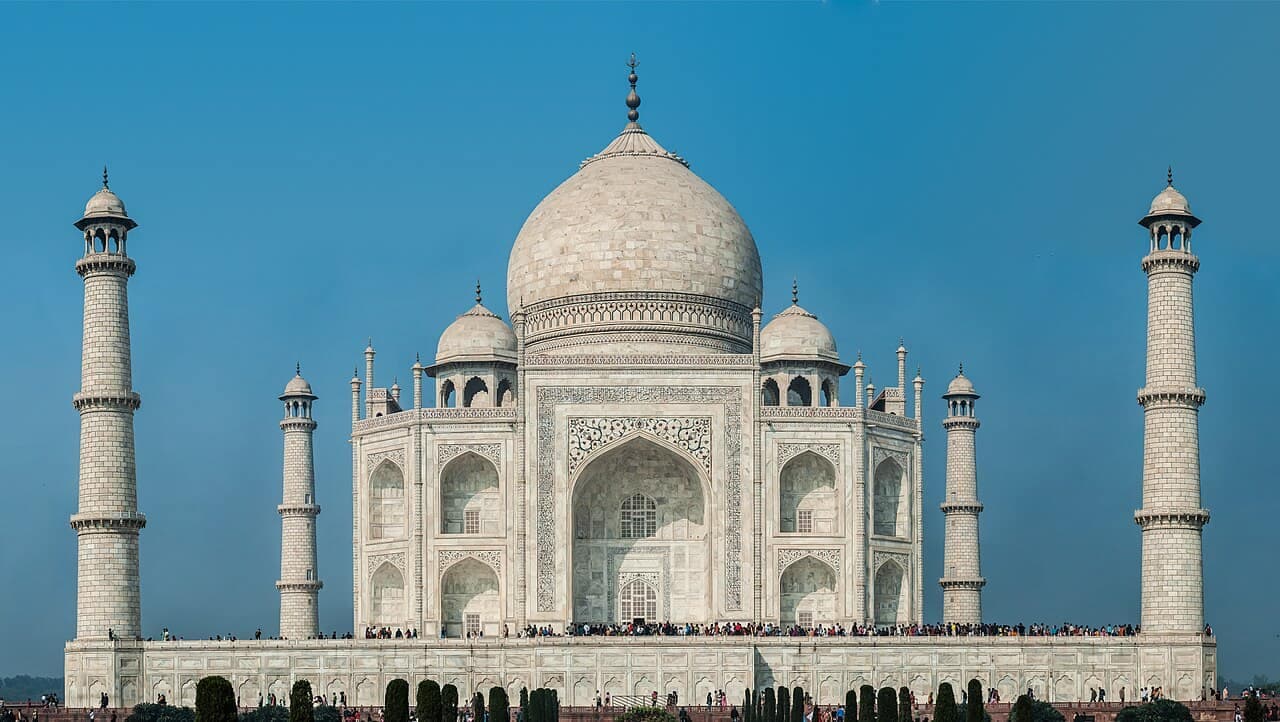
India

Country · IN · INR · Asia/Kolkata

Visa and entry in India

This information may change. Always check the official source.

Visa and entry in India

Warning Important

Decision flow

Determining the correct entry regime for India is done based on nationality, purpose of travel, and prior visa history. Travelers must follow these steps:

  1. Step 1: Check nationality eligibility for Visa on Arrival (VOA). As of 29 April 2025, and for 2026, this simplest regime is reserved exclusively for citizens of Japan and South Korea. Citizens of the United Arab Emirates (UAE) may use the VOA only if they have previously been granted an Indian e-Visa or a classic paper visa. Entry under this regime is permitted only through six selected international airports (Delhi, Mumbai, Chennai, Kolkata, Bengaluru and Hyderabad). If a traveler does not meet these conditions, they proceed to the next step.
  2. Step 2: Check eligibility for the electronic visa (e-Visa). Most foreign tourists from more than 166 countries (including EU member states, the USA, the United Kingdom, Canada and Australia) can apply for an e-Visa online through the official portal. The application must be submitted and paid for no later than 4 days before the planned departure. e-Visas are divided into tourist (e-Tourist, valid for 30 days, 1 year or 5 years), business (e-Business) and medical (e-Medical) categories. Citizens of the People's Republic of China, Hong Kong, Macau, Iran and Qatar have had the e-Visa option suspended since 1 August 2021 and must apply for a classic visa.
  3. Step 3: Check family history (exclusion from the e-Visa). Travelers who hold Pakistani citizenship or are of Pakistani origin (their parents or grandparents were born in Pakistan) are entirely excluded from both the e-Visa and VOA regimes. These applicants must, without exception, apply for a classic paper visa at an Indian diplomatic mission in their country of residence, with the process subject to intensive security screening.
  4. Step 4: Classic paper visa. This regime applies to citizens of countries not eligible for the e-Visa, for long-term stays exceeding 180 days, or for specific travel purposes such as employment, study or journalism. The application is submitted in person at an Indian diplomatic mission or through an authorized visa centre (e.g. VFS Global).

Entry formalities applicable to everyone

Digital Arrival Card (e-Arrival Card)

Effective from 1 October 2025, the Indian government introduced a requirement for all foreign nationals to submit a digital arrival card (e-Arrival Card). The transitional period, during which a paper disembarkation card could be filled in on the plane, definitively ended on 31 March 2026. As of 1 April 2026, the system is fully electronic and paper cards have been permanently abolished. The obligation to complete this form applies to all foreigners and, as of 4 October 2025, newly also to holders of OCI (Overseas Citizen of India) cards. The form must be submitted no later than 72 hours before the scheduled arrival time in India. It is completed free of charge on the official Bureau of Immigration portal (https://indianvisaonline.gov.in/earrival) or via the Indian Visa Su-Swagatam mobile app. Travelers must provide personal and passport details, flight number, purpose of travel, contact details, and the exact address of their accommodation in India. After submission they receive a digital confirmation (QR code), which must be presented to the immigration officer at passport control, ideally printed or saved on a mobile device.

Health declaration (Air Suvidha 2.0)

For travelers arriving from areas at risk of Ebola virus disease (currently classified by the World Health Organization as the Democratic Republic of Congo, Uganda and South Sudan), completing a health declaration via the Air Suvidha 2.0 portal (https://airsuvidha.civilaviation.gov.in/) is mandatory. This form must be submitted no later than 72 hours before arrival and contains a detailed travel history for the past 21 days. For travelers from countries outside these risk areas, the health declaration is not required in 2026.

Customs limits and the Baggage Rules, 2026

Importing goods and cash into India is subject to strict control under the customs regulations in force for 2026. Foreign tourists may duty-free import personal-use items in reasonable quantity and gifts or new goods with a total value of up to 25,000 INR (about 300 USD / 275 EUR). For persons of Indian origin or foreigners holding a visa other than a tourist visa, this limit is set at 75,000 INR. Duty-free limits cannot be combined among fellow travelers. Restrictions apply to specific commodities: alcohol and wine are limited to a maximum of 2 litres per person. Tobacco products may be imported duty-free only up to 100 cigarettes, 25 cigars, or 125 grams of loose tobacco. Importing any quantity of gold and silver in a form other than personal jewellery (e.g. bars, coins) is strictly prohibited and subject to high duty. Used personal jewellery is exempt from duty, with a limit of 40 grams for women and 20 grams for men applying to residents returning from abroad after more than 1 year. Persons over 18 may duty-free import one new laptop or tablet. Holding foreign currency cash exceeding 5,000 USD (or the equivalent) in banknotes, or a total value of foreign currency including traveler's cheques exceeding 10,000 USD, must without exception be declared to customs authorities on arrival. The government mobile app ATITHI 2.0 (developed by the Central Board of Indirect Taxes and Customs) serves this purpose, allowing pre-filing of the customs declaration before even boarding the plane. Passing through the Green Channel with undeclared goods over the limit or with cash over the limit is punished by immediate confiscation and criminal prosecution. On the Red Channel, the use of body-worn cameras by customs officers is mandatory in 2026 to eliminate corrupt conduct.

Mandatory registration (Form C / Form III)

All commercial accommodation providers (hotels, guesthouses, hostels), as well as private hosts (e.g. on the Airbnb platform), healthcare facilities providing inpatient care to foreigners, and educational institutions are, by law (under the Foreigners Act 1946 and the 1992 rules, updated under the Immigration and Foreigners Rules 2025), absolutely required to report the accommodation of every foreign national. This report is filed online as Form C (referred to as Form III in the new systems from 2025 onward) through the Ministry of Home Affairs portal (https://indianfrro.gov.in/frro/FormC). The report must be submitted within 24 hours of the guest's physical check-in. The 2025 amendment newly requires accommodation providers to also report the exact time and details of a foreigner's departure (departure reporting) to close the immigration record in real time. A foreigner on a tourist visa with a planned stay of up to 180 days is not required to register in person with the foreigners' police (FRRO); registration by the accommodation provider via Form C/III is fully sufficient.

What matters in practice

Experiences shared by foreign travelers on the discussion platforms r/india_tourism and r/delhi reveal key administrative and practical obstacles that arise during the first 24 hours after arrival:

  • Accommodation problems at cheaper hotels: According to field reports from r/india_tourism and r/delhi, many budget travelers face refusal of accommodation at check-in at lower-category hotels (typically under 3 stars, especially in the Paharganj area of Delhi). Staff at these hotels often refuse to accommodate foreigners with the excuse that "the Form C system isn't working" or that "accommodating foreigners is not allowed." The real reason is usually staff reluctance to fill in the administratively demanding online form, the hotel's lack of official registration with the local FRRO office, or unfamiliarity with the procedure. If a tourist holds a non-refundable booking from Indian portals (MakeMyTrip, Goibibo), a refund on the spot is practically impossible. It is therefore recommended to use international booking platforms (Booking.com), which provide strong customer support in the case of a refused check-in and compel the hotel to arrange replacement accommodation of the same category.
  • The e-Arrival Card snag: Many travelers mistakenly believe that a completed e-Arrival Card replaces the visa. Immigration officers uncompromisingly require both documents separately. Without a printed or verifiably approved e-Visa (ETA), a traveler will not be allowed to board the plane, while without a completed e-Arrival Card they will be held in the arrivals hall and forced to fill in the form on their mobile phone over unstable airport Wi-Fi.
  • Cash payment at airport counters: Although airport operator kiosks claim to support cashless payment, in practice they often require payment for a tourist SIM card exclusively in cash in Indian rupees (INR). It is essential to withdraw cash from an ATM in the arrivals hall first, before approaching the operator's counter.

This information may change. Always check the official source.

Report a change

Suggest a correction

JPEG, PNG or WebP, up to 5 MB. Location metadata is removed.

Corrections and photos are private and visible only to the review team.

SIM and eSIM in India

SIM and eSIM in India

SIM and eSIM: what to buy right after arrival

Securing a stable internet connection immediately after arrival is a critical factor for safety and a smooth onward journey. Without data access, it is not possible to safely use ride-hailing apps, Google Maps navigation, or online translators. Travelers have two basic options:

  • An international data eSIM purchased before departure: This option is the most effective way to get through the critical first 24 to 48 hours. Providers such as Airalo, Holafly, Nomad or SimCorner offer data-only profiles that require no identity verification, passport scans, or approval processes from Indian authorities. The eSIM is installed by scanning a QR code while still in the home country and activates automatically the moment the plane touches down in India and the phone connects to the partner network (most often Jio or Airtel). This lets travelers completely avoid queues at airport kiosks and gives them instant data for booking a taxi. The downside is the lack of an Indian phone number (required for some local services and OTP authorization) and a higher per-gigabyte price compared to local tariffs.
  • A local physical prepaid SIM card: Offers the best data prices and includes an Indian phone number allowing unlimited domestic calls. However, the acquisition process is strictly regulated by the Indian Ministry of Telecommunications for reasons of national security. Registration requires presenting the original passport, a printed copy of the valid visa, proof of the hotel address in India, and having a live photo taken via webcam directly at the counter. After registration is completed, physical activation of the card on the network usually takes 2 to 4 hours (in some cases up to 8 to 24 hours at regional airports). Physical SIM cards cannot in India be converted to an eSIM profile without prior activation without visiting a physical branch and waiting a further 24 hours for SMS service to be restored, which is impractical for short stays.

Comparison table

The following table compares the main mobile operators and data-service providers for tourists in India. All prices and package specifications are valid as of July 2026.

Operator / ProviderTourist packagePriceData volumeValidityWhere to buyPassport registration required
Airtel (DEL/BOM Airport)Tourist Prepaid SIM (Airport exclusive)800 INR (about 9.50 USD / 8.80 EUR)1.5 GB high-speed data per day + unlimited local calls30 daysAirtel arrivals airport kiosks onlyYes (physical passport, printed visa, live photo, hotel address)
Airtel (City)Standard Prepaid (Regular tariff)349 INR (about 4.15 USD / 3.80 EUR)1.5 GB data per day + unlimited local calls28 daysOfficial Airtel branded stores in citiesYes (physical passport, printed visa, live photo, India address)
Reliance Jio (City)True 5G Prepaid Travel299 INR (about 3.55 USD / 3.30 EUR)1.5 GB data per day on the 4G network (unlimited 5G data with a compatible 5G phone and coverage)28 daysOfficial Jio / Reliance Digital stores in citiesYes (physical passport, printed visa, live photo, hotel address)
Vodafone Idea (Vi) (City)Local Tourist Pack349 INR (about 4.15 USD / 3.80 EUR)2 GB data per day + unlimited local calls28 daysOfficial Vi stores in citiesYes (passport, visa, live photo, an active Indian guarantor number required to receive the OTP authorization SMS)
Airalo (eSIM)Mero Mobile Data15.00 USD (about 1,250 INR)5 GB total30 daysOnline before departure (via website or app)No (no personal documents required at all)
Holafly (eSIM)Unlimited India48.90 USD (about 4,100 INR)Unlimited data volume (3 GB at high speed per day, then reduced to 128 kb/s)10 daysOnline before departureNo (no registration or document upload required)

Where exactly to buy

  • Indira Gandhi International Airport in Delhi (DEL) – Terminal 3: After passing through customs control and entering the public arrivals hall, look for the Airtel sales kiosk. This kiosk is located close to the prominent blue ATM of the State Bank of India (SBI). The kiosk operates 24/7, except for a short technical break between 6:00 and 7:00 AM. The registration process at the counter takes approximately 10 to 20 minutes per person, depending on the length of the queue. Payment is required strictly in cash in Indian rupees (INR); payment cards are not accepted.
  • Chhatrapati Shivaji International Airport in Mumbai (BOM) – Terminal 2: The authorized Airtel operator kiosk is located in the Arrivals Area on Level 2. It is situated right behind the hall's massive support columns, immediately next to the airport bar serving Budweiser, just before the main exits where drivers wait with signs. Operation is round-the-clock (24/7), and payment is possible only in cash (INR). Since this is a partner reseller rather than a direct company store, the price for the tourist card is fixed at 650 to 800 INR.
  • Branded stores in the cities: If a traveler misses the airport kiosks, it is strongly recommended to avoid small street vendors selling mobile phones, who often fail to correctly enter foreigners' specific immigration details into the system, resulting in the card not being activated. Travelers should search Google Maps for the nearest official branch labeled "Airtel Showroom" or "Reliance Digital / Jio Store" (for example in the Fort or Colaba areas of South Mumbai). At these official stores, purchase is made at standard domestic prices (299–349 INR) and activation takes place under the direct supervision of certified staff.

Brief verdict

To minimize stress as much as possible during the first 24 to 48 hours after arrival, the best strategy is to buy an international data eSIM (e.g. Airalo or Roamify) before departure from the home country. This investment (about 15 USD) provides less data than a local card, but guarantees an immediate internet connection right after landing, allowing you to safely book an Uber over the official airport Wi-Fi network and navigate to your hotel without waiting in airport queues. For stays longer than two weeks, travelers can then calmly visit a branded Airtel or Jio store in the city center and get a highly advantageous local physical SIM card with unlimited 5G connectivity for a fraction of the price.

This information may change. Always check the official source.

Report a change

Suggest a correction

JPEG, PNG or WebP, up to 5 MB. Location metadata is removed.

Corrections and photos are private and visible only to the review team.

Transport from the airport in India

Transport from the airport in India

Indira Gandhi Airport in Delhi

Delhi's international airport (Terminal T3) is located approximately 16 km southwest of the central hub of Connaught Place. Transport options to the city center are highly developed but require strict compliance with safety rules:

  • Airport Express Metro (Orange Line) – Best daytime choice: This is the fastest, cleanest and safest means of transport. The metro station is located directly on the underground level of the T3 arrivals terminal. Trains run without interruption to New Delhi Railway Station (the central railway station with a transfer to the yellow metro line) in just 21 minutes. A one-way fare costs a fixed 60 INR (about 0.72 USD / 0.65 EUR). Operating hours are from 4:45 AM to 11:40 PM, with services every 10 to 15 minutes. The trains are air-conditioned, safe and equipped with special racks for large travel luggage.
  • Government prepaid taxi – Best nighttime choice: If a traveler arrives after midnight, when the metro is closed, it is recommended to use exclusively the official prepaid taxi counters. These booths (operated by the Delhi Traffic Police or associations such as Easy Cabs) are located inside the arrivals hall before leaving the building. Travelers pay a fixed amount at the counter based on the destination zone and receive a paper ticket with the assigned vehicle's number. The approximate price to the center (Connaught Place / Paharganj) is 400 to 500 INR (about 4.80–6.00 USD). To the southern neighborhoods (Hauz Khas) the price is 500 to 700 INR. Between 23:00 and 5:00 a 25% night surcharge applies. Key warning: Under no circumstances should the traveler hand the paper payment ticket to the taxi driver before arriving at the exact destination, as this ticket serves as the driver's payment voucher for reimbursement by the authority.
  • Ride-hailing services (Uber / Ola): Both apps work very reliably at the airport. The designated pickup point (Uber/Ola Pickup Zone) is located on the ground level of the multi-level car park (MLCP – Multi-Level Car Parking) opposite the exits from Terminal T3, specifically in Lanes 4 to 6. The trip to the center costs in the range of 300 to 500 INR. It is necessary to account for real airport fees being added to the base price shown in the app at the end of the trip (an entry fee of 150–200 INR and a city MCD toll of 100 INR). The lowest category cars (UberGo) in Delhi are often equipped with a CNG tank in the trunk, which dramatically reduces luggage space (the trunk can only fit one large suitcase).
  • Air-conditioned DTC buses: The Delhi Transport Corporation operates airport bus routes (e.g. route 764 to Connaught Place, route 781 to Kashmiri Gate). Fares range from 50 to 150 INR. Buses run from 5:00 to 23:00, but their schedules are extremely unreliable, traffic is often paralyzed by city congestion, and luggage space is minimal, making this option unsuitable for newly arrived tourists.

Chhatrapati Shivaji Airport in Mumbai

Mumbai's airport (international flights exclusively use the modern, highly secure Terminal T2) is located in the northern part of the city, approximately 30 km from the historic center of South Mumbai (Colaba). Transport options are as follows:

  • Prepaid airport taxi (Prepaid Taxi MIAL): The counter is located directly in the arrivals hall. The trip to the southern part of the city (Colaba, Fort) takes 45 to 90 minutes depending on traffic density and costs a fixed 700 to 900 INR (about 8.40–10.80 USD / 7.70–10.00 EUR). The trip to closer neighborhoods such as Bandra or the BKC financial district costs 300 to 450 INR. A 25% night surcharge is automatically added to the price between 0:00 and 6:00.
  • Ride-hailing (Uber / Ola): The designated pickup zone is located immediately in front of the exits from the T2 arrivals hall (per clear signage). Fares to Colaba start at 500 to 800 INR, but during the morning rush (8:00–11:00) and afternoon rush (17:00–21:00) surge pricing multipliers of 1.5x to 3x apply. At the end of the trip, a toll for crossing the Bandra-Worli Sea Link suspension bridge (about 70–80 INR) is automatically added to the price. During the monsoon season (June–September), due to local flooding, it is recommended to avoid apps and choose a fixed prepaid taxi instead, since app prices reach extreme heights.
  • Pre-booked private transport (TaxiBazaar / GreenEVCabs): For those who want complete certainty without waiting, online services are available. TaxiBazaar offers a sedan ride to Colaba from 850 INR, with a guarantee that all fees and tolls are already included in the price. For travelers who need an immediate transfer from BOM airport directly to the neighboring city of Pune (155 km away), the best choice is the electric vehicles of GreenEVCabs. The fixed rate for a seven-seat SUV (e.g. Kia Carens) is 2,700 INR (about 32 USD), which includes all highway tolls, driver fees, night driving, and 5% GST tax, with no risk of surge pricing.
  • Auto-rickshaws (three-wheelers): Available at the airport, but they are strictly legally banned from entering the entire southern half of Mumbai (south of the Bandra area). They can only be used to travel to nearby northern suburbs (Andheri, Juhu) for a price of 150 to 250 INR. They are uncomfortable for travel with large suitcases.

Recommendations by traveler type

  • Solo traveler with light luggage: In Delhi, clearly use the Airport Express Metro (60 INR, 21 minutes). In Mumbai, choose Uber Go outside rush hour, or a local rickshaw for nearby northern suburbs.
  • Family with children and heavy suitcases: It is strongly recommended to avoid the chaos of airport pickup zones and book a private transfer in advance (an Innova Hycross via the airport counter or WhatsApp for 1,500–2,200 INR in Delhi). This eliminates the need to order two separate small CNG taxis and transfer luggage between vehicles.
  • Night arrival (after 23:30): Always use exclusively the prepaid taxi counters inside the airport buildings. Never accept offers from unofficial drivers standing outside on the road.
  • Low budget: In Delhi, the Airport Express Metro (60 INR); in Mumbai, a prepaid classic black-and-yellow taxi (Kaali-Peeli) without air conditioning (about 600 INR to the center).

This information may change. Always check the official source.

Report a change

Suggest a correction

JPEG, PNG or WebP, up to 5 MB. Location metadata is removed.

Corrections and photos are private and visible only to the review team.

Useful local apps in India

Useful local apps in India

Getting around the city and apps

  • Ride-hailing apps: The main and most reliable platforms are the international Uber and the Indian Ola. For them to function fully and to authorize payment cards, you need an Indian SIM card in the phone (or working roaming) to receive the SMS with the one-time authorization code (OTP). The apps allow booking classic cars, but in many cities (including Delhi) also three-wheeled motorized auto-rickshaws (Uber Auto), which is the fastest way to cover short distances in heavy traffic.
  • City metro and suburban trains: In Delhi, the modern, safe and air-conditioned DMRC metro system operates. To travel, you need to buy either individual tokens or get a rechargeable DMRC Smart Card. In Mumbai, the metro is still being expanded and has limited coverage; the main transport artery is the suburban (local) trains. However, these trains are extremely crowded during rush hour and pose an extreme safety risk for foreigners with zero experience.

This information may change. Always check the official source.

Report a change

Suggest a correction

JPEG, PNG or WebP, up to 5 MB. Location metadata is removed.

Corrections and photos are private and visible only to the review team.

Local transport and booking in India

Local transport and booking in India

Recommendations by traveler type

  • Solo traveler with light luggage: In Delhi, clearly use the Airport Express Metro (60 INR, 21 minutes). In Mumbai, choose Uber Go outside rush hour, or a local rickshaw for nearby northern suburbs.
  • Family with children and heavy suitcases: It is strongly recommended to avoid the chaos of airport pickup zones and book a private transfer in advance (an Innova Hycross via the airport counter or WhatsApp for 1,500–2,200 INR in Delhi). This eliminates the need to order two separate small CNG taxis and transfer luggage between vehicles.
  • Night arrival (after 23:30): Always use exclusively the prepaid taxi counters inside the airport buildings. Never accept offers from unofficial drivers standing outside on the road.
  • Low budget: In Delhi, the Airport Express Metro (60 INR); in Mumbai, a prepaid classic black-and-yellow taxi (Kaali-Peeli) without air conditioning (about 600 INR to the center).

Getting around the city and apps

  • Ride-hailing apps: The main and most reliable platforms are the international Uber and the Indian Ola. For them to function fully and to authorize payment cards, you need an Indian SIM card in the phone (or working roaming) to receive the SMS with the one-time authorization code (OTP). The apps allow booking classic cars, but in many cities (including Delhi) also three-wheeled motorized auto-rickshaws (Uber Auto), which is the fastest way to cover short distances in heavy traffic.
  • City metro and suburban trains: In Delhi, the modern, safe and air-conditioned DMRC metro system operates. To travel, you need to buy either individual tokens or get a rechargeable DMRC Smart Card. In Mumbai, the metro is still being expanded and has limited coverage; the main transport artery is the suburban (local) trains. However, these trains are extremely crowded during rush hour and pose an extreme safety risk for foreigners with zero experience.

This information may change. Always check the official source.

Report a change

Suggest a correction

JPEG, PNG or WebP, up to 5 MB. Location metadata is removed.

Corrections and photos are private and visible only to the review team.

Money and payments in India

Money and payments in India

Money and payments

Currency and approximate exchange rate

The official currency is the Indian Rupee (INR, symbol ₹). In 2026, approximate exchange rates stand at:

  • 1 USD ≈ 83.50 INR
  • 1 EUR ≈ 91.50 INR
  • 1 CZK ≈ 3.60 INR

ATM withdrawals and transaction fees

Most international payment cards (Visa, Mastercard) are accepted without problems at ATMs of major Indian banks. However, when withdrawing with a foreign card, specific limits and fees apply:

  • Indian bank transaction fee (Surcharge): Almost all Indian banks charge a fixed fee for using a foreign card. For example, Federal Bank charges a fee of 200 INR (about 2.40 USD) for every successful withdrawal with an international card. ICICI Bank likewise applies a fee of 200 INR per transaction.
  • Per-withdrawal limits: Most ATMs in India limit the maximum amount of a single withdrawal for foreign cards to 10,000 INR (about 120 USD). To obtain more cash, travelers must repeat the transaction and pay the 200 INR fee for each individual withdrawal.

The DCC trap (Dynamic Currency Conversion)

When withdrawing cash from an ATM or paying by card at a merchant terminal, the system often offers to settle the transaction directly in the card's home currency (e.g. CZK, EUR, USD), claiming this is a safer and more transparent option. This offer should always be strictly declined, choosing settlement in the local currency (INR) instead. Dynamic Currency Conversion uses extremely unfavorable exchange rates with a high hidden margin for the operator. Moreover, Indian banking institutions have dramatically increased DCC transaction fees since 2026: effective 21 June 2026, ICICI Bank charges a fee of 3.50% of the transaction amount + 18% GST tax on the fee amount for all DCC transactions made with international cards in India. Kotak Bank introduced an identical fee of 3.50% + GST on the transaction amount effective 1 August 2026 (an increase from the original 1% + GST).

Exchanging cash

It is recommended to exchange paper currency exclusively at licensed airport counters (Thomas Cook, EbixCash) or at authorized bank branches in the cities. Street exchange booths at unofficial shops often use tricks with deliberate miscounting of banknotes, or return damaged, torn or marked banknotes to foreigners. Indian merchants are extremely sensitive about the quality of banknotes and will refuse to accept any rupee banknote that is at all damaged.

UPI One World for foreign tourists

India's economy has undergone massive digitalization, and the vast majority of merchants, including street tea stalls (Chai-wallahs) and rickshaw drivers, accept contactless payment by scanning a QR code via the UPI system. For foreign visitors who do not have an Indian bank account, India's National Payments Corporation (NPCI) introduced the UPI One World program:

  • How it works: After arrival, travelers visit an authorized counter (EbixCash or Thomas Cook) in the arrivals hall at the airports in Delhi (DEL), Mumbai (BOM) or Bengaluru (BLR).
  • Registration process: They present their passport and valid visa. Staff help install a specialized app (most often CheqUPI by Transcorp or the Mony app).
  • Topping up funds: The wallet can be topped up directly at the counter with cash in foreign currency or via an international payment card (a fee of 1% to 3% plus GST applies for card top-ups).
  • Limits: The maximum single top-up limit for the wallet is 25,000 INR. The total monthly transaction limit is set at 50,000 INR.
  • Paying: The app allows instant Person-to-Merchant (P2M) payments by scanning any UPI QR code in the country. Any unused balance at the end of the trip can be converted back to the original international card at the airport counter before departure (the process requires physical presence and administrative time).

Tipping

In restaurants, it is standard to leave a tip of 10% of the bill amount, unless a service charge (usually 5% to 10%) is already included on the bill. Hotel porters are given 100 to 200 INR (about 1–2 USD) for bringing luggage to the room.

This information may change. Always check the official source.

Report a change

Suggest a correction

JPEG, PNG or WebP, up to 5 MB. Location metadata is removed.

Corrections and photos are private and visible only to the review team.

Accommodation in India

Accommodation in India

Accommodation

Choosing the right neighborhood for the first nights after arrival fundamentally affects overall safety and minimizes culture shock. Below are proven areas in the two main metropolises:

Recommended neighborhoods in Delhi

  • Aerocity – The safest choice for the first night: A modern, tightly secured hotel zone located immediately next to IGI Airport Terminal T3. It is full of international five-star and four-star chains (Pullman, Novotel, ibis, Pride Plaza). The area is quiet, clean and completely isolated from the chaos of ordinary Indian streets. Price level: 60 to 150 EUR per night.
  • Connaught Place (CP) – Central hub: The city's historic and commercial center, excellently connected to the Airport Express Metro and key metro lines. It has a large number of restaurants, shops and established mid-range hotels. Price level: 40 to 120 EUR per night.
  • Paharganj – Budget neighborhood (not recommended for the first nights): The area directly opposite the main railway station (NDLS). It is famous for extremely cheap accommodation for backpackers, but also for a high crime rate, dirt, noise and a concentration of street scammers. For inexperienced travelers right after arrival, this neighborhood represents an extreme stress burden. Price level: 10 to 30 EUR per night.

Recommended neighborhoods in Mumbai

  • Colaba – Historic center: The most popular neighborhood for foreign tourists in the southern part of the city. The iconic Gateway of India and the legendary Taj Mahal Palace hotel are within walking distance. The area is, by Indian standards, clean, safe and very well patrolled by police. Price level: 80 to 250+ EUR per night.
  • Bandra and BKC (Bandra Kurla Complex): BKC is an ultra-modern financial district with luxury hotels (Sofitel, Grand Hyatt), offering maximum security and cleanliness. Bandra is a lively residential neighborhood with plenty of Western cafés. Price level: 60 to 180 EUR per night.
  • Andheri East (Around BOM Airport): An ideal location if a traveler arrives late at night and just needs to sleep before an early morning domestic flight. Price level: 50 to 130 EUR per night.

This information may change. Always check the official source.

Report a change

Suggest a correction

JPEG, PNG or WebP, up to 5 MB. Location metadata is removed.

Corrections and photos are private and visible only to the review team.

Safety and common scams in India

This information may change. Always check the official source.

Safety and common scams in India

Warning Important

Safety and common scams

The first 48 hours after arrival represent a critical period when tired and disoriented tourists are most exposed to organized scams. Scams in India are almost exclusively non-violent and are based on creating artificial chaos, time pressure and psychological manipulation:

  • The closed hotel or road scam (Hotel Surcharge / Detour Scam): The most common scam in Delhi. A taxi or rickshaw driver on the way from the airport suddenly claims that the road to the traveler's booked hotel in Paharganj is blocked by police due to religious unrest, demonstrations, or that the hotel has completely burned down / is closed. They then offer a ride to an "official government tourist office" (which is in fact a fraudulent private agency). There, fake officials confirm the misleading information and pressure tourists to cancel their accommodation and buy extremely overpriced tours to Rajasthan or Kashmir for thousands of dollars.
  • Defense: Insist that the driver continues directly to the booking address without stopping. Ignore any claims about closures and, in case of doubt, call the hotel reception directly to verify the situation.
  • The fake Uber airport scam (PIN Scam): A scammer operates in the official Uber zone at IGI Airport, posing as a coordinator or assigned driver. They ask for the ride's PIN code. After getting in the car, the driver does not start the official Uber app on their phone (blaming a network outage) and at the destination shows a modified fake app with a price 4 to 5 times higher than the original estimate.
  • Defense: Always check the vehicle registration (license plate) and the driver's photo directly in your own Uber app before getting in the car. If the details do not match, do not get in.
  • Fake inspectors at train stations (Train Captain Scam): Scammers with fake Sikh or government name badges and lanyards stop tourists before they enter the platform at New Delhi Railway Station, claiming their tickets are invalid or need to be stamped at a tourist office.
  • Defense: Real Indian train conductors (Train Captains) wear complete uniforms, name badges with a number, and carry seating charts on paper or tablets, and they check all passengers collectively inside the train, not selectively targeting individuals on the platform.
  • The blessing and red bracelet scam (Guru Blessing Scam): Near the Gateway of India in Mumbai, men posing as holy gurus approach foreigners. They offer a "free" blessing, applying color to the forehead and tying a red bracelet for luck. Immediately afterward, however, they start aggressively demanding payment running into hundreds or even thousands of rupees.
  • Defense: Refuse any physical contact, do not respond when addressed, do not make eye contact, and keep walking.
  • The overpriced dhaba scam on long-distance routes: Long-distance buses (e.g. from Delhi to Manali) deliberately stop for food at specific remote roadside dhabas (street restaurants) with which the drivers have a commission arrangement. The dhaba staff pressure passengers to order food immediately, claiming the bus is about to leave, while deliberately not showing a menu or prices. At payment time, the tourist is then presented with a fictitious bill for an extreme amount (e.g. 1,600 INR for a plain curry with rice and flatbread).
  • Defense: Always ask to see a printed menu with clearly stated prices before placing an order.

This information may change. Always check the official source.

Report a change

Suggest a correction

JPEG, PNG or WebP, up to 5 MB. Location metadata is removed.

Corrections and photos are private and visible only to the review team.

Health in India

This information may change. Always check the official source.

Health in India

Warning Important

Health and emergencies

Recommended vaccinations

Travelers should ideally schedule a visit to a travel medicine doctor 4 to 8 weeks before departure. Recommended vaccinations include:

  • Hepatitis A and Typhoid: Essential vaccinations, since both diseases are transmitted through contaminated water and food, which is a common risk in India.
  • Tetanus, Diphtheria and Whooping Cough (booster): Check that your routine booster vaccinations are up to date.
  • International Certificate of Vaccination against Yellow Fever: Strictly required by Indian customs authorities on arrival from all persons (including children) who have stayed within the last 6 days in countries with yellow fever occurrence (selected states of sub-Saharan Africa and South/Central America).

Prevention of dengue fever and malaria

India is experiencing a significant increase in mosquito-borne diseases (dengue fever, malaria, chikungunya virus), with dengue showing year-round occurrence regardless of the traditional monsoon season. In April 2026, the Indian drug regulator CDSCO approved the Qdenga vaccine for the age group from 4 to 60 years; a domestic Indian vaccine, DengiAll, developed by Panacea Biotec, is also in Phase III clinical trials with market release planned for 2027. The key to protection is preventing bites:

  • Use repellents with up to a 50% concentration of DEET.
  • During dawn and dusk (when mosquito activity is highest), wear light-colored clothing with long sleeves and long trousers.

Water and food

  • Tap water in India is strictly not drinkable. It must not even be used for brushing teeth. Only water from originally sealed plastic bottles should be used for consumption and hygiene.
  • Avoid ice in drinks and raw fruit or vegetables that have been washed with tap water.

Top private healthcare facilities for foreigners

City government hospitals are extremely overloaded and unsuitable for acute care of foreigners. In case of health problems, it is necessary to seek out private clinics with a dedicated department for international patients:

  • Delhi and the surrounding agglomeration (Gurugram):
  • Medanta – The Medicity (Gurugram) – One of the best and most modern hospital complexes in the world, fully equipped with an international coordination team. Phone: +91 124 414 1414.
  • Max Super Speciality Hospital (Saket, New Delhi) – A highly rated private hospital with JCI accreditation. Phone: +91 11 2651 5050.
  • Indraprastha Apollo Hospital (Sarita Vihar, New Delhi) – Top-tier care with full assistance handling medical formalities. Phone: +91 11 2692 5801.
  • Mumbai:
  • Kokilaben Dhirubhai Ambani Hospital (Andheri West) – A JCI-accredited facility with round-the-clock (24/7) emergency care. Phone: +91 22 4269 6969.
  • Lilavati Hospital and Research Centre (Bandra West) – An excellent private clinic in the western part of the city. Phone: +91 22 6931 8000.

Emergency numbers

  • Single nationwide emergency number (universal line for police, ambulance and fire service): 112 (can be called free of charge even without a SIM card inserted).
  • National Tourist Helpline: 1800-11-1363 or the short code 1363 (available 24 hours a day in 12 world languages including English, providing immediate help in emergencies, scams, or lost documents).

This information may change. Always check the official source.

Report a change

Suggest a correction

JPEG, PNG or WebP, up to 5 MB. Location metadata is removed.

Corrections and photos are private and visible only to the review team.

Everyday practical information in India

Everyday practical information in India

Local rules and cultural differences

  • Strict alcohol regulation (Dry States & Dry Days): Laws governing the sale and consumption of alcohol fall under the jurisdiction of individual states, creating significant regional differences:
  • Zones of total prohibition (Dry States): In the states of Gujarat, Bihar, Nagaland, Mizoram and the union territory of Lakshadweep (except the tourist island of Bangaram), an absolute ban on the production, sale and consumption of alcohol applies. Violations in Bihar and Gujarat are strictly punished with imprisonment and high fines. Foreigners can apply for a temporary liquor purchase permit (Liquor Permit) in Gujarat by presenting their passport with a valid visa.
  • Age limits: In Delhi, the legal age for consuming hard liquor is 25 years. In Maharashtra (Mumbai), the limit is 25 years for hard liquor and 21 years for beer and wine. For alcohol consumption in Maharashtra, the law additionally formally requires a personal consumption license (issued by a state hospital); its absence is generally tolerated for foreigners in ordinary clubs, but can be exploited to issue a fine during police raids.
  • Dry Days: During 3 national holidays (Republic Day on 26 January, Independence Day on 15 August, and the anniversary of Mahatma Gandhi's birth on 2 October), an absolute ban on the sale and serving of alcohol applies across all of India in shops, bars and hotels. In addition, dry days are declared during state and local elections (for example, in the period from 1 April to 31 May 2026 in the affected states).
  • Strict drone ban for foreigners:
  • Importing any unmanned aircraft (drone) into India by foreign tourists is strictly prohibited under customs regulations. Attempting to import a drone without a special government permit (Equipment Type Approval from the WPC) results in its immediate confiscation at the airport by customs authorities.
  • Foreign visitors are absolutely prohibited from flying drones anywhere in India. Unauthorized flying over sensitive zones (airports, military facilities, government buildings, and also historical monuments) is punished with immediate arrest and prosecution under the aviation law.
  • Temple etiquette and clothing: When entering Hindu temples, Buddhist shrines, mosques and Sikh gurdwaras, respectful clothing covering the shoulders and knees is required. Entry is permitted only after removing footwear.
  • Gestures and social customs: The right hand is traditionally considered clean and is used for eating, handing over money and documents, or paying. Using the left hand for these activities is seen as impolite.

Everyday practical information

  • Electrical outlets: India uses outlets of Type C (the European standard with two pins), Type D (three pins arranged in a triangle), and Type M (a larger version of Type D for higher-draw appliances). Mains voltage is 230 V at a frequency of 50 Hz. For reliably charging European electrical appliances, it is recommended to buy an adapter supporting Type D.
  • Time zone: Indian Standard Time (IST) is UTC+5:30. India does not observe daylight saving time. Compared to Central Europe, the time difference is +4.5 hours during winter time and +3.5 hours during summer time.
  • Opening hours: Commercial shops and bazaars usually open between 10:00 and 11:00 and close around 20:30. Government offices and banks operate on working days from 10:00 to 17:00. Sunday tends to be a rest day in many commercial districts.
  • Toilet availability: Public toilets on the street have very low hygiene standards. It is recommended to use toilets in modern shopping malls, international chains (Starbucks, McDonald's), or in the lobbies of four- and five-star hotels. It is essential to always carry your own toilet paper and hand sanitizer gel.

This information may change. Always check the official source.

Report a change

Suggest a correction

JPEG, PNG or WebP, up to 5 MB. Location metadata is removed.

Corrections and photos are private and visible only to the review team.

Emergency information in India

This information may change. Always check the official source.

Emergency information in India

Warning Important

Health and emergencies

Recommended vaccinations

Travelers should ideally schedule a visit to a travel medicine doctor 4 to 8 weeks before departure. Recommended vaccinations include:

  • Hepatitis A and Typhoid: Essential vaccinations, since both diseases are transmitted through contaminated water and food, which is a common risk in India.
  • Tetanus, Diphtheria and Whooping Cough (booster): Check that your routine booster vaccinations are up to date.
  • International Certificate of Vaccination against Yellow Fever: Strictly required by Indian customs authorities on arrival from all persons (including children) who have stayed within the last 6 days in countries with yellow fever occurrence (selected states of sub-Saharan Africa and South/Central America).

Prevention of dengue fever and malaria

India is experiencing a significant increase in mosquito-borne diseases (dengue fever, malaria, chikungunya virus), with dengue showing year-round occurrence regardless of the traditional monsoon season. In April 2026, the Indian drug regulator CDSCO approved the Qdenga vaccine for the age group from 4 to 60 years; a domestic Indian vaccine, DengiAll, developed by Panacea Biotec, is also in Phase III clinical trials with market release planned for 2027. The key to protection is preventing bites:

  • Use repellents with up to a 50% concentration of DEET.
  • During dawn and dusk (when mosquito activity is highest), wear light-colored clothing with long sleeves and long trousers.

Water and food

  • Tap water in India is strictly not drinkable. It must not even be used for brushing teeth. Only water from originally sealed plastic bottles should be used for consumption and hygiene.
  • Avoid ice in drinks and raw fruit or vegetables that have been washed with tap water.

Top private healthcare facilities for foreigners

City government hospitals are extremely overloaded and unsuitable for acute care of foreigners. In case of health problems, it is necessary to seek out private clinics with a dedicated department for international patients:

  • Delhi and the surrounding agglomeration (Gurugram):
  • Medanta – The Medicity (Gurugram) – One of the best and most modern hospital complexes in the world, fully equipped with an international coordination team. Phone: +91 124 414 1414.
  • Max Super Speciality Hospital (Saket, New Delhi) – A highly rated private hospital with JCI accreditation. Phone: +91 11 2651 5050.
  • Indraprastha Apollo Hospital (Sarita Vihar, New Delhi) – Top-tier care with full assistance handling medical formalities. Phone: +91 11 2692 5801.
  • Mumbai:
  • Kokilaben Dhirubhai Ambani Hospital (Andheri West) – A JCI-accredited facility with round-the-clock (24/7) emergency care. Phone: +91 22 4269 6969.
  • Lilavati Hospital and Research Centre (Bandra West) – An excellent private clinic in the western part of the city. Phone: +91 22 6931 8000.

Emergency numbers

  • Single nationwide emergency number (universal line for police, ambulance and fire service): 112 (can be called free of charge even without a SIM card inserted).
  • National Tourist Helpline: 1800-11-1363 or the short code 1363 (available 24 hours a day in 12 world languages including English, providing immediate help in emergencies, scams, or lost documents).

This information may change. Always check the official source.

Report a change

Suggest a correction

JPEG, PNG or WebP, up to 5 MB. Location metadata is removed.

Corrections and photos are private and visible only to the review team.

Experiences

Nothing here yet.

General tips

Nothing here yet.

Share a tip

Sign in to continue.