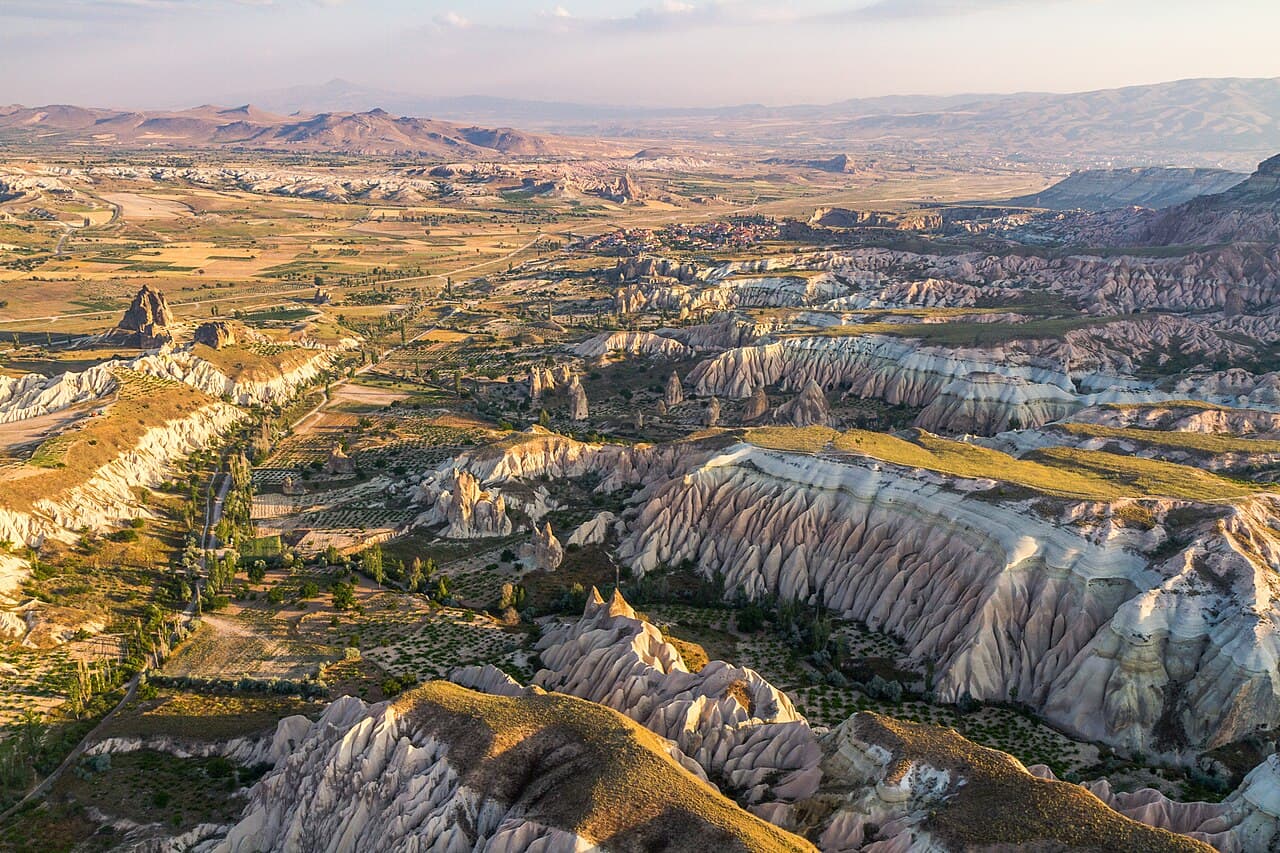
TurkeyPhoto: Benh LIEU SONG (Flickr) / Wikimedia Commons (CC BY-SA 4.0)

Turkey

Country · TR · TRY · Europe/Istanbul

This information may change. Always check the official source.Last verified: August 2026 by

Almost everyone is now visa-free for 90 days in any 180, including Chinese nationals since January 2026. The rule that actually turns people away is the 150-day passport validity.

  • Your passport must be valid 150 days from the date you arrive - not three months, not six. This is the rule that gets people turned away at check-in, and a passport with 5 months left looks fine and is not.
  • Most Western, Gulf and East Asian nationalities need nothing for 90 days in any 180, Chinese nationals included since 2 January 2026; Russians get 60 days, Indians need a visa unless they hold a Schengen, US, UK or Ireland one.
  • evisa.gov.tr is the only official site - everything with a similar name charges several times the government fee for the same document.
  • The 90/180 window is rolling and leaving does not reset it. Staying longer needs a residence permit applied for from inside Turkey; overstaying means a fine and a re-entry ban.
  • Antiquities are taken seriously. Buying an old-looking object without an export certificate - coins and fossils sold openly in bazaars included - is how tourists end up in a police station at the airport.
More details

The 150-day passport rule

This is the rule that gets people turned away at check-in, and almost nobody knows it.

  • Your passport must be valid for at least 150 days from the date you arrive. Not 3 months, not 6 months from booking. 150 days from arrival.
  • The logic is 90 days of permitted stay plus 60 days on top, which is the general Turkish requirement.
  • You also need at least one blank page.
  • Count the days before you book. A passport with 5 months left looks fine and is not.

Where your nationality lands

Visa and entry in Turkey
You holdWhat you need
USA, Canada, Australia, UK, Germany, France, Italy, Spain, Netherlands, Poland, Japan, South Korea, Malaysia, Singapore, Saudi ArabiaNothing. 90 days in any 180
ChinaNothing, 90 days, exempt only since 2 January 2026
RussiaNothing, but 60 days rather than 90
Taiwane-Visa, one month, single entry
IndiaVisa required. An e-Visa is available only if you hold a valid Schengen, US, UK or Ireland visa
CambodiaVisa in advance from a Turkish embassy or consulate
  • The visa-free list grew a lot in 2024 and again in 2026. If you last checked before your previous trip, check again, because you may have been made exempt.
  • evisa.gov.tr is the only official site. Everything with a similar name charges several times the government fee for the same document.
  • 90 days in any 180 is a rolling window, counted backwards from each day you are in the country, not a per-entry allowance. Leaving and coming back does not reset it.
  • Staying past 90 days needs a residence permit, applied for from inside Turkey, and overstaying carries a fine and a re-entry ban.

At the border and on the way out

  • Entry is stamped and the stamp is what counts. Check it before you leave the hall.
  • You cannot take out more than the equivalent of USD 5,000 in Turkish lira, and other currencies above USD 5,000 must be declared.
  • Antiquities are taken seriously. Buying an old-looking object without an export certificate is how tourists end up in a police station at the airport. This includes coins and fossils sold openly in bazaars.
  • Dual Turkish nationals, including children, face additional rules, and a Turkish parent's travel permission may be required.
Sources (3)

Turkey lets you buy duty-free on arrival, bans vapes at the border, and prosecutes people for carrying old stones out.

  • The duty-free shops are in the arrivals hall, before passport control, which is unusual and legal - the allowance is applied to what you buy there as well as what you brought.
  • Electronic cigarettes may not be imported. Their sale is banned in Turkey and they are confiscated at the border; travellers have been fined for a vape in hand luggage.
  • Taking antiquities out is a serious criminal offence. Old coins, fragments of mosaic and stones picked up at a site have all led to arrest at the departure gate. The rule covers anything that might be over a century old.
  • Cash equivalent to USD 10,000 or more must be declared on entry, and the same limit applies to taking it out.
More details
  • The duty-free shops are in the arrivals hall, before passport control, which is unusual and legal - the allowance is applied to what you buy there as well as what you brought.
  • Electronic cigarettes may not be imported. Their sale is banned in Turkey and they are confiscated at the border; travellers have been fined for a vape in hand luggage.
  • Taking antiquities out is a serious criminal offence. Old coins, fragments of mosaic and stones picked up at a site have all led to arrest at the departure gate. The rule covers anything that might be over a century old.
  • Cash equivalent to USD 10,000 or more must be declared on entry, and the same limit applies to taking it out.
  • Personal electronics get registered. A phone used with a Turkish SIM for more than a set period is blocked unless the handset is registered and a fee is paid - a trap for long stays, not for a fortnight.
Sources (1)

Private hospitals are excellent and bill you directly. Tap water is chlorinated and safe to brush with, and almost nobody drinks it.

  • Private hospitals in the big cities are genuinely good and expect payment or written confirmation from your insurer before treatment - have the policy number and 24-hour line to hand.
  • Pharmacies ("eczane") are excellent and pharmacists give real advice, with many medicines that need a prescription at home available over the counter and cheap.
  • If you are here for a hair transplant or dental work, check the surgeon's registration, not the clinic's marketing - standards vary enormously and ordinary travel insurance covers neither elective surgery nor its complications.
  • Tap water is chlorinated and safe for teeth and washing food, but almost nobody drinks it, Turks included, because of the taste and old pipework.
  • Rabies is present. Do not touch stray dogs, and treat any bite or scratch as urgent - wash it and get medical advice the same day.
More details

Treatment and who pays

  • Private hospitals in Istanbul, Ankara, Izmir and Antalya are genuinely good, often with English-speaking staff and short waits.
  • They expect payment or a written confirmation from your insurer before treatment. Have the policy number and the 24-hour line to hand.
  • State hospitals treat emergencies and are more crowded, with less English.
  • Travel insurance is essential, and should cover repatriation.
  • Pharmacies, "eczane", are excellent, open late on a rota, and pharmacists give real advice. Many medicines that need a prescription at home are available over the counter and cheap.

Medical tourism, carefully

Turkey is one of the world's largest destinations for hair transplants, dental work and cosmetic surgery, and most of it is competent and much cheaper than at home.

  • Standards vary enormously between clinics. The price difference between a good clinic and a bad one is smaller than you think.
  • The FCDO has warned about complications and deaths following procedures booked on price alone.
  • Ordinary travel insurance does not cover elective surgery or its complications, including the flight home if something goes wrong.
  • Check the surgeon's registration, not the clinic's marketing. Ask who is actually performing the procedure.
  • Allow proper recovery time before flying.

Water, food and sun

  • Tap water is chlorinated and safe for brushing teeth and washing food. Almost nobody drinks it, including Turks, because of the taste and old pipework. Bottled water is cheap and everywhere.
  • Food hygiene is generally good. Busy places with high turnover are the safe bet, as everywhere.
  • Summer heat on the coast and in the southeast is severe, regularly over 40 °C. Midday shade, salt and water.
  • The sun is stronger than northern Europeans expect, and a boat trip is where people get burnt.

Vaccinations and animals

  • No vaccinations are required for entry. Check routine cover, plus hepatitis A and typhoid for longer or rural trips.
  • Rabies is present. Turkey has a large and mostly healthy street animal population, and Istanbul's cats are famously well cared for. Do not touch stray dogs, and treat any bite or scratch as urgent: wash it, then get medical advice the same day.
  • Mosquitoes are a nuisance rather than a disease risk in the tourist regions.
Sources (2)

Istanbul

Long-term averages for Istanbul: the mean daily high, the mean overnight low and the mean monthly rainfall across 30 years of ERA5 reanalysis data (1995–2024).

DayNight
051015202530°C0100mmJanFebMarAprMayJunJulAugSepOctNovDecJanuary: Day 9 °C, Night 4 °C, Rain 90 mm. February: Day 9 °C, Night 4 °C, Rain 73 mm. March: Day 11 °C, Night 5 °C, Rain 77 mm. April: Day 16 °C, Night 8 °C, Rain 50 mm. May: Day 21 °C, Night 13 °C, Rain 38 mm. June: Day 25 °C, Night 18 °C, Rain 38 mm. July: Day 28 °C, Night 21 °C, Rain 23 mm. August: Day 28 °C, Night 21 °C, Rain 22 mm. September: Day 24 °C, Night 18 °C, Rain 49 mm. October: Day 19 °C, Night 14 °C, Rain 71 mm. November: Day 15 °C, Night 10 °C, Rain 75 mm. December: Day 11 °C, Night 6 °C, Rain 97 mm
Show the monthly table
Istanbul
MonthDay (°C)Night (°C)Rain (mm)
January9490
February9473
March11577
April16850
May211338
June251838
July282123
August282122
September241849
October191471
November151075
December11697

Antalya

Long-term averages for Antalya: the mean daily high, the mean overnight low and the mean monthly rainfall across 30 years of ERA5 reanalysis data (1995–2024).

DayNight
5101520253035°C0250mmJanFebMarAprMayJunJulAugSepOctNovDecJanuary: Day 13 °C, Night 6 °C, Rain 221 mm. February: Day 14 °C, Night 6 °C, Rain 134 mm. March: Day 17 °C, Night 7 °C, Rain 107 mm. April: Day 20 °C, Night 10 °C, Rain 69 mm. May: Day 25 °C, Night 15 °C, Rain 47 mm. June: Day 31 °C, Night 19 °C, Rain 11 mm. July: Day 35 °C, Night 23 °C, Rain 4 mm. August: Day 34 °C, Night 23 °C, Rain 4 mm. September: Day 31 °C, Night 20 °C, Rain 26 mm. October: Day 25 °C, Night 15 °C, Rain 94 mm. November: Day 19 °C, Night 10 °C, Rain 127 mm. December: Day 15 °C, Night 7 °C, Rain 222 mm
Show the monthly table
Antalya
MonthDay (°C)Night (°C)Rain (mm)
January136221
February146134
March177107
April201069
May251547
June311911
July35234
August34234
September312026
October251594
November1910127
December157222

Goreme

Long-term averages for Goreme: the mean daily high, the mean overnight low and the mean monthly rainfall across 30 years of ERA5 reanalysis data (1995–2024).

DayNight
-55152535°C0100mmJanFebMarAprMayJunJulAugSepOctNovDecJanuary: Day 5 °C, Night -5 °C, Rain 47 mm. February: Day 7 °C, Night -4 °C, Rain 37 mm. March: Day 11 °C, Night -1 °C, Rain 55 mm. April: Day 17 °C, Night 3 °C, Rain 51 mm. May: Day 22 °C, Night 8 °C, Rain 50 mm. June: Day 26 °C, Night 12 °C, Rain 28 mm. July: Day 30 °C, Night 15 °C, Rain 4 mm. August: Day 31 °C, Night 15 °C, Rain 4 mm. September: Day 26 °C, Night 11 °C, Rain 14 mm. October: Day 20 °C, Night 6 °C, Rain 25 mm. November: Day 13 °C, Night 1 °C, Rain 33 mm. December: Day 8 °C, Night -2 °C, Rain 40 mm
Show the monthly table
Goreme
MonthDay (°C)Night (°C)Rain (mm)
January5-547
February7-437
March11-155
April17351
May22850
June261228
July30154
August31154
September261114
October20625
November13133
December8-240
Sources (1)

The accommodation tax was cut from 2 percent to 1 percent on 1 May 2026 and goes back up on 1 January 2027. Choosing the right Istanbul neighbourhood matters more than the star rating.

  • The accommodation tax is temporarily halved to 1 percent from 1 May 2026 to 31 December 2026, returning to 2 percent on 1 January 2027. It should be shown separately on the bill.
  • Where you stay in Istanbul matters more than the hotel. Sultanahmet is convenient and entirely given over to tourism; Beyoğlu, Galata and Karaköy are where the city actually lives and eats.
  • Kadıköy on the Asian side is cheaper, excellent for food and a ferry ride from everything - the place to stay on a second visit.
  • Check the walk from the tram or metro before booking. Istanbul is built on hills and a 400 metre walk can be a 60 metre climb.
  • Cappadocia cave hotels are the point of going - book far ahead for a balcony facing the balloon launch, and allow two mornings, because flights cancel often on weather.
More details

The accommodation tax, and the date that matters

Turkey charges an accommodation tax on top of the room rate, and it is temporarily cheaper right now.

  • 1 percent from 1 May 2026 to 31 December 2026, cut from the standard 2 percent by Presidential Decision No. 11263.
  • It returns to 2 percent on 1 January 2027.
  • It applies to hotels, pensions, apart-hotels, guesthouses and campsites, and to related services such as meals, the pool and the spa when they are part of the stay.
  • It should be shown separately on the bill. If the rate you were quoted looked all-inclusive, check.

Where to stay in Istanbul

This decision matters more than the hotel.

  • Sultanahmet puts you next to the Blue Mosque and Hagia Sophia and is entirely given over to tourism. Convenient, and not where you will meet the city.
  • Beyoğlu, Galata and Karaköy are where Istanbul actually lives and eats, ten minutes by tram from the sights.
  • Kadıköy on the Asian side is cheaper, excellent for food and a ferry ride from everything. This is where to stay on a second visit.
  • Beşiktaş and Nişantaşı are residential and upmarket.
  • Check the walk from the tram or metro before booking. Istanbul is built on hills and a 400 metre walk can be a 60 metre climb.

The coast and Cappadocia

  • Antalya, Belek and Side are all-inclusive resort country, and for a beach week the value is very good.
  • Bodrum, Çeşme and Kaş are where Turkish holidaymakers go, and are pricier and better.
  • Cappadocia cave hotels in Göreme, Uçhisar and Ürgüp are the point of going. Book far ahead for a room with a balcony facing the balloon launch.
  • Balloon flights are weather-dependent and cancel often. Allow two mornings if it matters to you, and book with an operator who reschedules rather than refunds slowly.

Practical

  • Breakfast is usually included and is a serious meal, not a croissant. A Turkish hotel breakfast is one of the best things about the country.
  • Book refundable rates in summer on the coast, when heat and wildfire disruption occasionally force changes.
  • Air conditioning is essential from June to September and worth confirming rather than assuming.
  • Registration with your passport is required at check-in and is a legal requirement, not a formality.
Sources (2)

Turkey registers the phone, not just the SIM. Use a Turkish SIM and your handset is blocked after 120 days unless you pay a fee of over 54,000 lira.

  • Insert a Turkish SIM and the network logs your handset's IMEI, starting a 120-day clock. After that the device is blocked from every Turkish network, not just the one you used.
  • Unblocking costs 54,258 lira in 2026, roughly USD 1,130 at the late-August rate, and the lira figure rises every year - it was 45,614 lira in 2025. You may register only one device per passport every three years.
  • On a two-week holiday none of this matters. It matters enormously if you stay past four months or come back often, because the clock runs against the device and the passport, not the trip.
  • Staying months? Use a foreign travel eSIM roaming on a Turkish network, which sidesteps the registration question entirely and costs far less than 54,258 lira.
  • Turkcell has the best coverage; airport prices are noticeably higher than the same package in a city shop, and a VPN installed before you travel is worth having since services are periodically blocked.
More details

Turkey registers your handset

This is the single most surprising thing about arriving in Turkey with a phone, and it has nothing to do with the SIM card.

  • Insert a Turkish SIM and the network logs your handset's IMEI. A 120-day clock starts from that moment.
  • After 120 days the device is blocked from every Turkish network, not just the one you used.
  • Unblocking means registering the IMEI and paying 54,258 lira for 2026, roughly USD 1,130 at the late-August 2026 rate - the lira figure is fixed for the year, so what it costs you in your own currency falls as the lira does. It was 45,614 lira in 2025 and it rises every year.
  • You may register only one device per passport every three years. The dual-SIM workaround people used to stretch this was shut down by the BTK, which began enforcement on 1 January 2026 with a hard deadline of 1 May 2026.
  • Registration goes through the e-Devlet portal, which in practice means you need a Turkish tax number and someone to help you.

What this means for you, realistically

  • On a two-week holiday, none of this matters. Buy a Turkish SIM and enjoy it.
  • It matters enormously if you stay longer than four months, or if you come back often. The clock is against the device and the passport, not the trip.
  • Check your own status by dialling to get the IMEI, then looking it up on e-Devlet.
  • A foreign travel eSIM that roams on a Turkish network, Saily for instance, is a different arrangement from a Turkish SIM, and is the usual way long-stay visitors avoid the registration question entirely. It costs more per gigabyte and far less than 54,258 lira. If you are staying months, take this route rather than discovering the block.

Buying a Turkish SIM

  • Turkcell has the best coverage, Vodafone and Türk Telekom are cheaper and fine in cities.
  • You must show your passport, and registration is done in the shop.
  • Tourist packages are sold at the airports and in every high street shop, typically 20 GB to 50 GB for a month.
  • Airport prices are noticeably higher than the same package in a city centre store.
  • Prices move with inflation. A figure you read in a blog from last year is not the price today.

Coverage

  • Excellent in Istanbul, Ankara, Izmir and the whole Mediterranean and Aegean coast.
  • Good on the main roads through Anatolia, patchy in the eastern mountains.
  • WhatsApp is universal for hotels, drivers, guides and tour operators.
  • Some services are periodically restricted, and access to particular sites and apps has been blocked at times of unrest. A VPN installed before you travel is worth having.
Sources (4)

Turkish sockets are Type Schuko at 230 V, so European plugs work and British and American ones do not.

  • A Europlug fits every socket, which covers most chargers arriving from Europe.
  • British, American and Australian plugs need an adapter. Adapters are cheap in any hardware shop or supermarket.
  • 230 V, so American 120 V-only equipment needs a converter.
  • Power cuts are routine in smaller towns and on the coast in summer. Sockets are fine; the supply behind them is what varies.
  • The neighbours mostly match. Greece, Bulgaria and Georgia use the same socket. Cyprus, a short flight away, is British Type , and so are the Gulf states most flights from Istanbul carry on to.
More details

Sockets in Turkey are Type and at 230 V, 50 Hz - the same Schuko standard as Germany.

  • A Europlug fits every socket, which covers most chargers arriving from Europe.
  • British, American and Australian plugs need an adapter. Adapters are cheap in any hardware shop or supermarket.
  • 230 V, so American 120 V-only equipment needs a converter.
  • Power cuts are routine in smaller towns and on the coast in summer. Sockets are fine; the supply behind them is what varies.
  • The neighbours mostly match. Greece, Bulgaria and Georgia use the same socket. Cyprus, a short flight away, is British Type , and so are the Gulf states most flights from Istanbul carry on to.
Sources (1)

Alcohol cannot be sold in shops between 22:00 and 06:00, mosques have a dress code that is enforced politely, and the country would rather you called it Türkiye.

  • Shops cannot sell alcohol between 22:00 and 06:00, though bars and restaurants still serve. If you want a bottle for the hotel room, buy it before ten.
  • Working mosques welcome visitors outside prayer times, usually free: shoulders and knees covered for everyone, hair covered for women with scarves lent at the door, shoes off, and not on a Friday midday.
  • The call to prayer sounds five times a day, including before dawn - ask for a room away from the minaret if you sleep lightly.
  • Being offered çay in a shop is hospitality, not a sales technique. Refusing is fine, accepting is better, and you take your shoes off entering a home, always.
  • Electricity is 230 V with European two-pin plugs, toilets are western style with a small hose, and paper often goes in the bin rather than the bowl - carry tissues.
More details

Alcohol rules that catch people out

  • Shops cannot sell alcohol between 22:00 and 06:00. Bars and restaurants can still serve. If you want a bottle for the hotel room, buy it before ten.
  • Alcohol is heavily taxed and is the one thing in Turkey that is not cheap.
  • Drinking in the street is frowned on and in some places prohibited.
  • Rakı is the national drink, aniseed, drunk with water and food, and not to be treated as a shot.

Mosques

  • Working mosques welcome visitors outside prayer times and there is usually no charge.
  • Shoulders and knees covered for everyone. Women cover their hair, and scarves are lent at the door.
  • Shoes off, and carry them in the bag provided or leave them on the rack.
  • Do not walk in front of someone praying or photograph people at prayer.
  • Friday midday is busy and not the time to visit.
  • The call to prayer happens five times a day, including before dawn. Ask for a room away from the minaret if you sleep lightly.

Everyday

  • Electricity is 230 V at 50 Hz with European two-pin plugs. UK and US visitors need an adapter.
  • The country's name is Türkiye, changed at the UN in 2022, and you will see it on everything official.
  • Tea is constant and social. Being offered çay in a shop is hospitality, not a sales technique, and refusing is fine but accepting is better.
  • Turkish hospitality is genuine and can be overwhelming. An invitation to eat is usually exactly what it appears to be.
  • Take your shoes off entering a home. Always.
  • Ramadan falls in February and March in 2027. Nothing closes and restaurants stay open in tourist areas, but eating conspicuously in the street during daylight in conservative areas is poor form.
  • Public holidays, especially the two religious holidays, empty the cities and fill every coach, plane and coastal hotel. Check the dates before booking.
  • Haggle in bazaars, not in shops.
  • Toilets are usually western style, with a small hose. Carry tissues, and note that paper often goes in the bin rather than the bowl.
Sources (2)

Inflation was 31.75 percent in July 2026 and the lira has lost 17 percent against the dollar in a year. Any price you read online is out of date.

  • Treat every lira figure as a scale, not a quote. Annual inflation was 31.75 percent in July 2026 and the lira was about 47.74 to the dollar, down 17 percent over a year.
  • Exchange offices marked "döviz" beat banks, hotels and above all the airport - change 20 or 30 euros on arrival to get into town and do the rest properly.
  • Count what you are handed before you walk away, every time, and be careful accepting US dollars in change, as counterfeit notes circulate.
  • Always be charged in lira, never your home currency - dynamic currency conversion here is a notably bad rate. Use bank-branded ATMs.
  • Tip about 10 percent in cash where you can, because card tips do not always reach staff, and check whether a service charge is already on the bill.
More details

Prices are a moving target

Annual inflation was 31.75 percent in July 2026 and the lira traded at about 47.74 to the US dollar on 11 August 2026, down 17 percent over a year.

  • Every price in this guide, and every price in any guide, is dated. Treat lira figures as a rough scale rather than a quote.
  • The "cheap Turkey" of a decade ago is gone in Istanbul and the smart coastal resorts. It is still very good value for food and transport, and no longer cheap for hotels.
  • Do not prepay far in advance in lira unless the price is fixed. Conversely, a hotel quoting in euros has already priced the risk in.
  • Carry a card and a little cash. Cards work almost everywhere, including taxis and small cafes.

Changing money

  • Exchange offices, marked "döviz", give better rates than banks or hotels, and much better than the airport.
  • The airport is the worst rate in the country. Change 20 or 30 euros there to get into town and do the rest properly.
  • Count what you are handed before you walk away, every time.
  • The FCDO warns that counterfeit US banknotes circulate, so be careful accepting dollars in change.
  • ATMs are everywhere. Use bank-branded machines, decline the machine's own conversion, and take lira.
  • Always be charged in lira, not in your home currency. Dynamic currency conversion here is a notably bad rate.

Tipping and bills

  • Restaurants: round up or leave about 10 percent, in cash where you can, because card tips do not always reach the staff.
  • Check for a service charge before adding to it.
  • Taxis: round up to the next convenient note.
  • Hotel porters and housekeeping: a small note is normal.
  • Hairdressers, hamams and guides all expect a tip, and roughly 10 percent is the norm.

Bargaining

  • Bazaars and carpet shops: yes, and it is expected. Start well below and be pleasant about it.
  • Shops with marked prices, supermarkets and restaurants: no.
  • Walking away is the strongest move you have and is not rude.
Sources (3)

Everyday prices

Typical prices in Turkish lira (TRY), averaged across the country by Numbeo and read on 12 August 2026. Tick Convert prices above the table to see every amount in your own currency.

Everyday prices
ItemTypical price
Inexpensive restaurant meal400 TRY
Dinner for two, mid-range, three courses2,000 TRY
Cappuccino172 TRY
Local draught beer, 0.5 l160 TRY
Bottled water, 0.33 l27 TRY
Public transport, one-way ticket40 TRY
Taxi, starting fare75 TRY
Petrol, 1 litre62 TRY
Cigarettes, pack of 20 (Marlboro)110 TRY
Average net monthly salary51,400 TRY

These are country-wide averages, not a price list: tourist districts, airports and islands sit well above them, and small towns below. The salary line is there for proportion - it is what people living here actually earn.

Sources (1)

Airport guides for Turkey13

One page per airport: the routes into town, what they cost and the trap particular to that arrival.

See all 13 airports

Istanbul has two airports on opposite continents and getting the wrong one costs you two hours. The M11 metro is cheap and the taxi queue is where the scams start.

  • Istanbul has two airports 70 km apart on opposite sides of the Bosphorus - IST on the European side, Sabiha Gökçen on the Asian. Check the code on the ticket, not the city name, because getting it wrong on the return leg is expensive.
  • From IST the M11 metro is the cheapest and most reliable route, about 53 lira plus an onward leg, every 8 to 10 minutes from about 06:00 to midnight, 60 to 75 minutes to Taksim.
  • You need an Istanbulkart for the metro, about 165 lira from a Biletmatik machine at the station, then loaded with credit. The Havaist shuttle does not take it - tap a contactless bank card instead.
  • Insist on the meter. A driver who says it is broken or quotes a flat price is overcharging, and this is the most common tourist complaint in Istanbul - BiTaksi or Uber removes the argument.
  • Have small notes. The classic trick is taking a 200 lira note, palming it and claiming you handed over 20.
More details
Check which airport you are flying into

Istanbul has two, and they are 70 km apart on opposite sides of the Bosphorus.

  • Istanbul Airport (IST) is on the European side, north of the city. Turkish Airlines and most long-haul.
  • Sabiha Gökçen (SAW) is on the Asian side, far to the southeast. Pegasus and most budget flights.
  • Getting this wrong on the return leg is a two-hour, expensive mistake. Check the airport code on the ticket, not the city name.
From Istanbul Airport (IST)
Transport from the airport in Turkey
OptionRough cost, August 2026Time
M11 metro to Gayrettepeabout 53 lira, plus about 35 lira per onward leg60 to 75 min to Taksim
Havaist shuttle bus to Sultanahmetabout 470 lira90 to 120 min
Taxi to Sultanahmetconsiderably more, and metered45 to 90 min
  • The M11 is the cheapest and most reliable option, running every 8 to 10 minutes from about 06:00 to midnight.
  • You need an Istanbulkart for the metro, bought from a Biletmatik machine at the station. The card itself costs about 165 lira and then you load credit.
  • Havaist does not take Istanbulkart. You tap a contactless bank card instead, which is convenient if you have just landed.
  • All these prices move with inflation. Treat them as a scale rather than a quote.
From Sabiha Gökçen (SAW)
  • The M4 metro runs to Kadıköy in about 50 minutes on the Asian side, and you then take a ferry or continue by metro.
  • Havabüs shuttles run to Taksim and Kadıköy.
  • Allow a lot longer than you think to reach the European side, especially in traffic. Two hours is not unusual.
Taxis, and the part everyone gets wrong
  • Insist on the meter. A driver who says the meter is broken or quotes a flat price is overcharging, and this is the most common tourist complaint in Istanbul.
  • Use BiTaksi or Uber, both of which dispatch licensed taxis and record the fare. This removes the argument entirely.
  • Refusing a short fare is illegal and common. Ordering through an app fixes it.
  • The FCDO specifically warns against unofficial taxis. Take the marked, licensed ones from the rank or an app.
  • Have small notes. The classic trick is taking a 200 lira note, palming it and claiming you handed over 20.
Other airports
  • Antalya (AYT), Izmir (ADB), Dalaman (DLM) and Bodrum (BJV) serve the coast and are where most package holidays land.
  • Hotel transfers are usually included in package bookings and much simpler than working it out on arrival.
  • Havas shuttle buses connect most Turkish airports to their city centres cheaply.
Sources (3)

The long-distance buses are genuinely excellent and cheap, the high-speed trains are good on the routes they cover, and domestic flights are competitive.

  • Turkish intercity coaches are better than most European trains - reclining seats, attendants serving tea, air conditioning - and they reach places no train or plane goes.
  • Every town's otogar sits well outside the centre with free shuttle minibuses into town; ask for the "servis". Overnight buses save a hotel night and are genuinely comfortable.
  • The YHT high-speed trains link Istanbul, Ankara, Konya and Sivas and are fast and cheap, but outside those corridors the rail network is slow and sparse.
  • One Istanbulkart works on the metro, tram, bus, funicular and ferries, and can pay for several people. The Bosphorus ferries are public transport priced as public transport and the best sightseeing in the city.
  • Yandex Maps and Moovit beat Google Maps for Turkish public transport, and BiTaksi or Uber for cabs. Avoid driving in central Istanbul entirely.
More details

Buses are the backbone

Turkish intercity coaches are better than most European trains and this surprises everyone.

  • Reclining seats, attendants serving tea, frequent stops, and air conditioning.
  • They reach everywhere, including places no train or plane goes.
  • Book ahead in summer and around public holidays. 12Go covers the main routes, including Istanbul to Göreme in Cappadocia, if you would rather book in one place.
  • Every town has an otogar, the bus station, usually well outside the centre with free shuttle minibuses into town. Ask for the "servis".
  • Overnight buses save a hotel night on long routes and are genuinely comfortable.

Trains and planes

  • The YHT high-speed trains link Istanbul, Ankara, Konya and Sivas and are fast, cheap and pleasant. Book on the TCDD site or app.
  • Outside those corridors the rail network is slow and sparse. The Eastern Express to Kars is a famous scenic journey rather than transport.
  • Domestic flights are cheap and frequent, with Turkish Airlines, AJet and Pegasus competing hard. Istanbul to Antalya or Cappadocia by air is often no dearer than the bus.
  • Check which Istanbul airport your domestic flight uses. Again.

In the cities

  • Istanbulkart works on the metro, tram, bus, funicular and ferries, and one card can pay for several people.
  • The ferries across the Bosphorus are public transport priced as public transport, and are also the best sightseeing in the city. Take one.
  • Dolmuş minibuses run fixed routes and leave when full. Cheap, local, and you pass your fare forward along the seats.
  • BiTaksi and Uber for taxis. Yandex Maps and Moovit for navigation, both better than Google Maps for Turkish public transport.

Driving

  • An International Driving Permit alongside your own licence is expected by rental firms.
  • Turkish driving is assertive. Lane markings are advisory and the horn is a communication tool.
  • Speed cameras are everywhere and fines follow the rental company to you.
  • Avoid driving in central Istanbul. Parking is impossible and the traffic is among the worst in Europe.
Sources (2)

Turkish motorway tolls are collected only through the HGS sticker - there is no cash lane and no way to pay at the roadside.

  • A hire car comes with an HGS tag and the company bills the crossings back. In a private car, the sticker is bought from a PTT post office and topped up in advance; passing a gantry with an empty balance becomes a fine.
  • The alcohol limit is 0.5 g/l for private cars and zero for anyone towing or driving commercially.
  • The motorway network is modern and fast - Istanbul to Izmir or Ankara is straightforward - and the secondary roads across Anatolia are long, empty and hard on tyres.
  • Istanbul traffic is in a class of its own. A car in the old city is a liability; the ferries and the metro are not.
  • Fuel is expensive relative to the rest of the region, and the price changes often.
More details

Tolls are electronic-only through HGS: no cash lanes, no barriers to stop at.

  • A hire car comes with an HGS tag and the company bills the crossings back. In a private car, the sticker is bought from a PTT post office and topped up in advance; passing a gantry with an empty balance becomes a fine.
  • The alcohol limit is 0.5 g/l for private cars and zero for anyone towing or driving commercially.
  • The motorway network is modern and fast - Istanbul to Izmir or Ankara is straightforward - and the secondary roads across Anatolia are long, empty and hard on tyres.
  • Istanbul traffic is in a class of its own. A car in the old city is a liability; the ferries and the metro are not.
  • Fuel is expensive relative to the rest of the region, and the price changes often.
Sources (1)

Turkey is safe for ordinary tourism. The two things that genuinely hurt visitors are the Istanbul bar scam and counterfeit spirits containing methanol.

  • The Istanbul bar scam is the one to know. A friendly, well-dressed man with good English suggests a drink at a bar he knows; women appear, drinks arrive and the bill is thousands of euros. Refusing is when it turns unpleasant.
  • The defence is simple: do not go to a bar chosen by someone who approached you in the street. Suggest a place you picked and watch what happens. It targets men travelling alone above all.
  • Counterfeit spirits kill. Buy from supermarkets and licensed shops, be wary of unusually cheap top-shelf pours in resorts, and treat blurred vision, nausea and confusion hours after drinking as a hospital case, not something to sleep off.
  • Insulting the Turkish state, the flag or the president is a criminal offence, including in a social media post made before you arrived. Avoid demonstrations - foreigners taking part risk detention and deportation.
  • Earthquakes are frequent - a magnitude 6.2 struck near Istanbul in April 2025. Learn drop, cover and hold on, note your hotel's exits, and follow AFAD for alerts.
More details

The Istanbul bar scam

This is the one to know about. It has been running for twenty years and it still works because it does not feel like a scam.

  • A friendly, well-dressed man strikes up a conversation near Istiklal Caddesi, Taksim or Sultanahmet. Good English, a genuine-seeming interest in where you are from.
  • He suggests a drink at a bar he knows. Sometimes he mentions his brother's place, sometimes it is simply nearby.
  • Women appear at the table, drinks arrive, and the bill is thousands of euros.
  • Refusing is when it turns unpleasant, and people have been walked to an ATM.
  • It targets men travelling alone above all, and it happens to sober, sensible people.
  • The defence is simple: do not go to a bar chosen by someone who approached you in the street. Suggest a place you picked instead and watch what happens.

Counterfeit alcohol

The FCDO warns explicitly about methanol poisoning from illegally produced spirits and counterfeit branded bottles.

  • Even small amounts of methanol can kill, and it has killed tourists and Turkish people alike.
  • Buy spirits from supermarkets and licensed shops, not from unlabelled bottles or unusually cheap all-inclusive top-shelf pours.
  • Be wary of very cheap spirits at bars in resort areas.
  • Symptoms are blurred vision, nausea and confusion hours after drinking. Get to a hospital immediately rather than sleeping it off.
  • Do not accept drinks from strangers. Spiking is also a reported problem.

The everyday scams

  • The taxi meter that is "broken". Insist, or use BiTaksi or Uber.
  • The banknote switch, where a 200 lira note becomes a 20 in the driver's hand. Say the amount out loud as you hand it over.
  • The dropped shoe brush. A shoeshine man drops his brush, you helpfully pick it up, and you are given a shine you did not want and a bill.
  • The carpet shop tour, where a new friend guides you to a shop and takes a commission on whatever you are talked into.
  • Restaurant menus without prices in tourist streets. Ask before ordering, especially for fish, which is often priced by weight.
  • Fake e-Visa sites charging several times the real fee.

Crime, terrorism and where not to go

  • Street robbery and pickpocketing are common in Istanbul's tourist areas, particularly Istiklal, the Grand Bazaar and crowded trams.
  • The FCDO advises against travel to parts of southeast Turkey, near the Syrian and Iraqi borders. Check the current regional advice before planning anything there.
  • Terrorist attacks have targeted airports, religious sites and public gatherings, mostly in the southeast, Ankara and Istanbul.
  • Avoid demonstrations. They can be dispersed forcefully and foreigners taking part in political protest risk detention and deportation.
  • Insulting the Turkish state, the flag or the president is a criminal offence, including in a social media post made before you arrived.

Earthquakes

  • Turkey sits on major fault lines and earthquakes are frequent. A magnitude 6.2 struck near Istanbul in April 2025.
  • Learn the drop, cover and hold on drill and note where the exits are in your hotel.
  • AFAD is the national agency and its alerts are the ones to follow.
  • Summer brings wildfires, flooding and extreme heat, particularly on the Mediterranean and Aegean coasts.
Sources (2)

112 covers everything. Turkey merged its emergency numbers, so the old 155 and 110 you will find in older guides are gone.

  • 112 is now everything - police, ambulance, fire and coastguard. Older guidebooks list 155 and 110; use 112.
  • Know your address in Turkish characters or have it written down, because street names are hard to convey over the phone, and say your city first.
  • Report theft to the police and get the written report - no insurer pays without it, and obtaining one after you have flown home is not realistic. Tourism Police in Istanbul and Antalya handle exactly this.
  • A lost passport means the police first, then your consulate; most countries have one in Istanbul as well as an embassy in Ankara, and Istanbul is the useful one.
  • A power bank, a torch and shoes by the bed are the standard local earthquake precautions and cost nothing. Do not run outside during shaking - falling masonry is what injures people.
More details

The number

Emergency information in Turkey
WhatNumber
Police, ambulance, fire, coastguard, everything112
  • Turkey consolidated all its emergency numbers into 112. Older guidebooks list 155 for police and 110 for fire. Use 112.
  • English-speaking operators are available, though not instantly everywhere. Say your city first.
  • Know your address in Turkish characters or have it written down. Street names are hard to convey over the phone.
  • Tourism Police operate in Istanbul, Antalya and other visitor cities and are the right people for theft reports and lost documents.

Practicalities

  • Report theft to the police and get the written report. No insurer pays without it, and getting one after you have flown home is not realistic.
  • Photograph your passport and entry stamp and keep the copies separate.
  • If you lose your passport, go to the police first, then your embassy or consulate. Most countries have a consulate in Istanbul as well as an embassy in Ankara, and Istanbul is the useful one.
  • Save your insurer's 24-hour line offline with the international dialling code.
  • Keep some cash accessible. Card networks go down during major incidents.

Earthquakes

  • AFAD is the national agency and issues the alerts. Follow it rather than social media, which fills with old footage within minutes.
  • Drop, cover and hold on. Do not run outside during the shaking; falling masonry is what injures people.
  • Note your hotel's exits and stairwells on arrival. Lifts are not an option.
  • Aftershocks follow for days and are often what brings down already damaged buildings.
  • A power bank, a torch and shoes by the bed are the standard local precautions and cost nothing.

Summer emergencies

  • Wildfires close roads and force evacuations on the Mediterranean and Aegean coasts every summer.
  • Follow instructions from hotel staff and the authorities immediately. These fires move faster than people expect.
  • Extreme heat warnings are issued regularly, and heatstroke is the commonest summer medical emergency among visitors.
Sources (2)