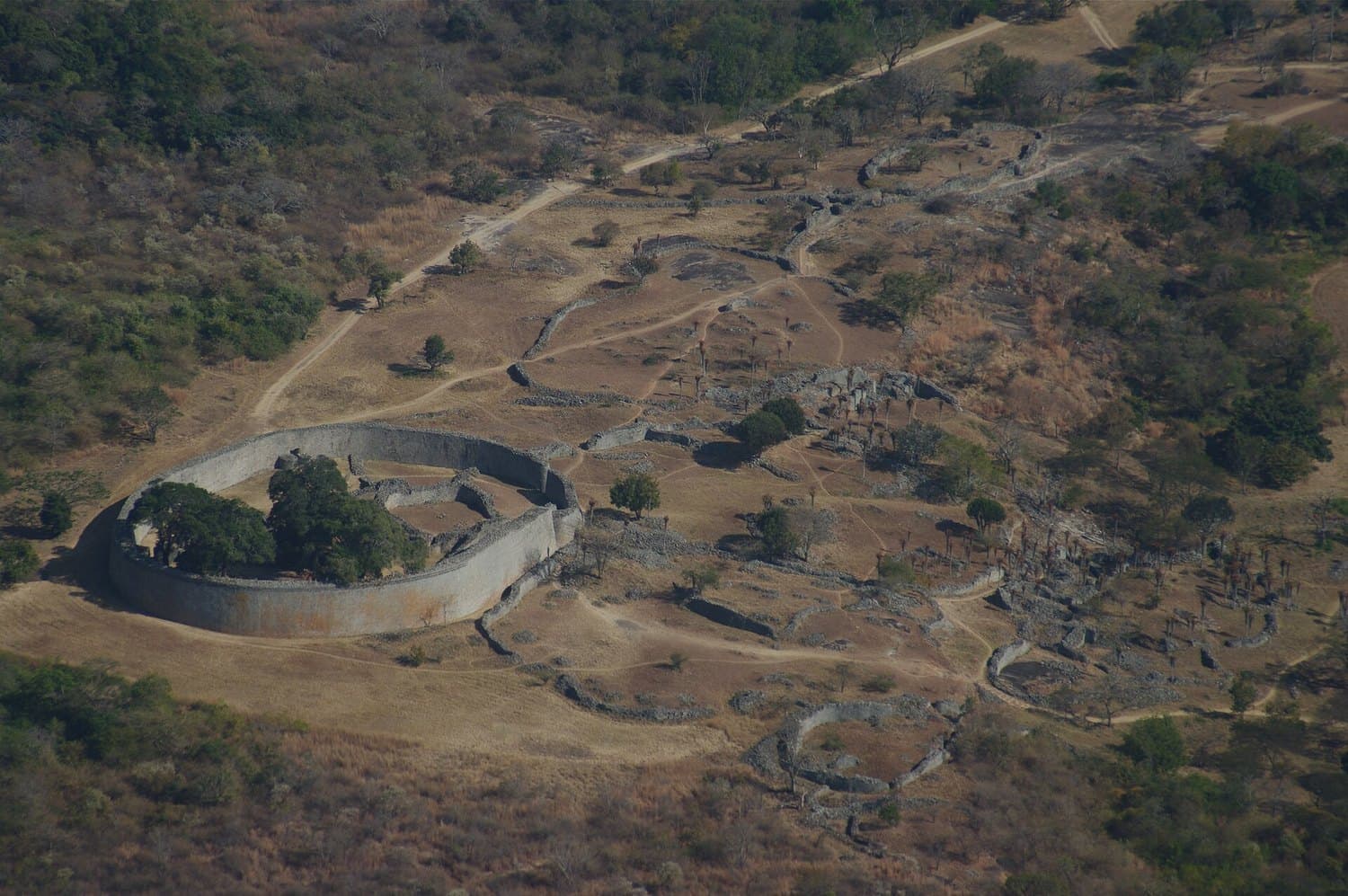
ZimbabwePhoto: Janice Bell / Wikimedia Commons (CC BY-SA 4.0)

Zimbabwe

Country · ZW · ZWG · Africa/Harare

This information may change. Always check the official source.Last verified: September 2026 by

Most nationalities buy the visa at the border, but the price depends on which passport you hold, and the KAZA UniVisa covers Zambia as well.

  • Category A pays nothing and applies for nothing. Malaysia, Singapore, South Africa, Botswana, Zambia, Kenya, Ghana, Mauritius, Hong Kong, Jamaica and a long list of Commonwealth and SADC states.
  • Bring the fee in US dollars, in small notes. That is the FCDO's wording, and it is not a courtesy: change is scarce in Zimbabwe generally, and the immigration desk is no exception.
  • It costs 50 US dollars, lasts 30 days, and covers Zimbabwe and Zambia together plus day trips into Botswana. One document instead of two.
  • At least 6 months' validity after the day you arrive.
  • Allow 7 working days on average, and apply at least 3 weeks ahead. Those are the platform's own numbers.
More details

Three categories, and yours decides where you get the visa

  • Category A pays nothing and applies for nothing. Malaysia, Singapore, South Africa, Botswana, Zambia, Kenya, Ghana, Mauritius, Hong Kong, Jamaica and a long list of Commonwealth and SADC states.
  • Category B buys the visa at the port of entry, or online first if you prefer. Britain, the United States, Canada, Australia, New Zealand, every EU state, China, India, Japan, South Korea, Brazil, Russia and the Gulf states.
  • Category C must hold the visa before boarding. Cambodia, Taiwan, Thailand, Vietnam, the Philippines, Saudi Arabia, Qatar, Oman, Nigeria, Pakistan, Sri Lanka, Morocco, Lebanon and most of West Africa.
  • Read the actual list on the Department of Immigration site rather than reasoning from the region. Malaysia and Singapore are visa free while Thailand and the Philippines are not; China is Category B while Taiwan is Category C.

The fee is not the same for everyone

The Department of Immigration publishes this, in US dollars:

Visa and entry in Zimbabwe
VisaFee
Ordinary single entry, online or at the port of entry30 USD
British single entry, online55 USD
British double entry, online70 USD
Chinese single entry, online60 USD
Multiple entry55 USD
Emergency visa, online100 USD
KAZA UniVisa50 USD
  • Bring the fee in US dollars, in small notes. That is the FCDO's wording, and it is not a courtesy: change is scarce in Zimbabwe generally, and the immigration desk is no exception.
  • The Department reserves the right to change your visa type during processing, and its own platform warns that this may change the cost. The approval response states the actual figure.
  • The KAZA UniVisa is the only figure the FCDO states directly. The 50 US dollars is not on the Department's fee table, which does not list it at all.

The KAZA UniVisa, if Victoria Falls is the point of the trip

  • It costs 50 US dollars, lasts 30 days, and covers Zimbabwe and Zambia together plus day trips into Botswana. One document instead of two.
  • It is issued at Harare, Bulawayo and Victoria Falls airports, and at the land borders at Victoria Falls and Kazungula. Not at every port of entry in the country.
  • It can also be bought in advance on the e-visa platform, where it is listed as a one month visa alongside the single, double and multiple entry options.
  • Leaving for anywhere other than Zimbabwe or Zambia ends it. Fly out to South Africa and come back and you need a new visa.

The passport

  • At least 6 months' validity after the day you arrive.
  • The FCDO asks for 3 blank pages; Global Affairs Canada asks for 2. They disagree, so take 3. The FCDO explains the reason: you may need to exit through a neighbouring country or leave at short notice.
  • Zimbabwean temporary travel documents are not valid for re-entry to the UK. Travelling on one can strand you in Zimbabwe.

If you use the e-visa instead

  • Allow 7 working days on average, and apply at least 3 weeks ahead. Those are the platform's own numbers.
  • The single entry visa is valid 1 month from issue, the double 3 months, the multiple 6 months. The validity runs from issue, not from the date you said you would arrive, though you may enter on any date inside the period.
  • There are no amendments and no refunds. A wrong detail means a fresh application, and a refused application does not get the payment back.
  • The multiple entry visa on arrival exists only for British, American and Canadian passports. Everyone else who wants multiple entry applies online, or, per the Berlin embassy's guidance, gets a single entry at the border first and applies afterwards.

The declaration form

  • The Department encourages every traveller to complete the Zimbabwe Entry Declaration Form before travelling, on the e-visa platform, including Category A nationals who need no visa. It is encouraged rather than required, but it is what makes the desk quick.

Extending, and getting it wrong

  • Two consecutive extensions are possible, to a total of 90 days, applied for at any Department of Immigration office. Global Affairs Canada publishes that; the FCDO says the application is made in person.
  • A business visa or work permit cannot be extended from inside the country. You leave and re-enter as a visitor, or apply afresh and wait for the decision outside Zimbabwe.
  • Volunteering and missionary work count as work and need a temporary work permit, not a visitor entry.

Journalists

  • Accreditation has to be obtained before you travel, from a Zimbabwean mission. Without it the FCDO lists arrest, detention in difficult conditions, a fine and deportation. Zimbabwe defines journalism broadly, so this reaches further than a press card.

Vaccination

  • A yellow fever certificate is required if you are arriving from a country listed as a transmission risk. There is no yellow fever risk in Zimbabwe itself; this is a transit rule.
Sources (5)

A private clinic may want a large amount of cash before it admits you, even with insurance, and the ambulance may not be coming.

  • Private clinics will not treat patients until they pay, and often require large amounts of cash before they will admit an emergency case, even if you have travel insurance.
  • Many businesses in Zimbabwe take only US dollars in cash, and that includes some medical providers. So the practical question is not whether you are insured but whether you can put dollars on the counter tonight and reclaim them later.
  • Dial 112 from a mobile and ask for an ambulance.
  • Healthcare provision and quality is variable and can be very poor outside the major cities.
  • Check the vaccine recommendations at least 8 weeks ahead, and note that the FCDO flags a number of current disease outbreaks in Zimbabwe.
More details

The part that costs people money

  • Private clinics will not treat patients until they pay, and often require large amounts of cash before they will admit an emergency case, even if you have travel insurance.
  • Many businesses in Zimbabwe take only US dollars in cash, and that includes some medical providers. So the practical question is not whether you are insured but whether you can put dollars on the counter tonight and reclaim them later.
  • Your travel insurance needs accessible funds, and cover for treatment, evacuation and repatriation. Medical costs, particularly for evacuation, can be high.
  • Call the insurer as soon as you are referred to a facility, before treatment starts.

The part that costs people time

  • Dial 112 from a mobile and ask for an ambulance.
  • Emergency response capabilities are limited and in many places you will need to make local arrangements for transport. That is the FCDO's own wording. In much of the country the answer to a medical emergency is a car, not an ambulance.
  • The airports publish private ambulance numbers, which is a fair indication of how the system works: EMRAS and MARS at Harare, EMRAS at Victoria Falls, EMRAS and MARS at Bulawayo.

The standard of care

  • Healthcare provision and quality is variable and can be very poor outside the major cities.
  • There are shortages of drugs and trained medical staff, which makes some illnesses and trauma cases hard to treat at all.
  • The FCDO publishes a list of medical providers in Zimbabwe where most staff speak English. Find the nearest one to where you are staying before you need it.

Before you go

  • Check the vaccine recommendations at least 8 weeks ahead, and note that the FCDO flags a number of current disease outbreaks in Zimbabwe.
  • There is a malaria risk in parts of the country and at certain times of year. Global Affairs Canada advises discussing antimalarials against your specific itinerary and season, ideally 6 weeks before travel.
  • A yellow fever certificate is an entry requirement if you arrive from a transmission-risk country, though there is no yellow fever risk in Zimbabwe itself.
  • The legal status of some medicines differs from the UK. Check anything you carry.
Sources (5)

Harare

Long-term averages for Harare: the mean daily high, the mean overnight low and the mean monthly rainfall across 30 years of ERA5 reanalysis data (1995–2024).

DayNight
51015202530°C0250mmJanFebMarAprMayJunJulAugSepOctNovDecJanuary: Day 24.5 °C, Night 16.3 °C, Rain 230 mm. February: Day 24.7 °C, Night 16.1 °C, Rain 141 mm. March: Day 24.5 °C, Night 15.3 °C, Rain 89 mm. April: Day 23.7 °C, Night 13.1 °C, Rain 31 mm. May: Day 22.4 °C, Night 10.6 °C, Rain 6 mm. June: Day 20.5 °C, Night 8.5 °C, Rain 2 mm. July: Day 20.4 °C, Night 8 °C, Rain 1 mm. August: Day 23.6 °C, Night 9.9 °C, Rain 1 mm. September: Day 26.8 °C, Night 12.7 °C, Rain 3 mm. October: Day 28.3 °C, Night 15.1 °C, Rain 22 mm. November: Day 27.4 °C, Night 16.3 °C, Rain 84 mm. December: Day 25.5 °C, Night 16.4 °C, Rain 177 mm
Show the monthly table
Harare
MonthDay (°C)Night (°C)Rain (mm)
January24.516.3230
February24.716.1141
March24.515.389
April23.713.131
May22.410.66
June20.58.52
July20.48.01
August23.69.91
September26.812.73
October28.315.122
November27.416.384
December25.516.4177

Victoria Falls

Long-term averages for Victoria Falls: the mean daily high, the mean overnight low and the mean monthly rainfall across 30 years of ERA5 reanalysis data (1995–2024).

DayNight
101520253035°C0250mmJanFebMarAprMayJunJulAugSepOctNovDecJanuary: Day 28.8 °C, Night 20.2 °C, Rain 204 mm. February: Day 28.6 °C, Night 19.9 °C, Rain 140 mm. March: Day 28.8 °C, Night 19.3 °C, Rain 75 mm. April: Day 28.4 °C, Night 17.1 °C, Rain 20 mm. May: Day 27.2 °C, Night 14.1 °C, Rain 2 mm. June: Day 25 °C, Night 11.6 °C, Rain 1 mm. July: Day 24.8 °C, Night 10.8 °C, Rain 0 mm. August: Day 28.8 °C, Night 13.4 °C, Rain 0 mm. September: Day 32.9 °C, Night 17.2 °C, Rain 2 mm. October: Day 35 °C, Night 20.5 °C, Rain 8 mm. November: Day 33.2 °C, Night 21.3 °C, Rain 73 mm. December: Day 30 °C, Night 20.5 °C, Rain 166 mm
Show the monthly table
Victoria Falls
MonthDay (°C)Night (°C)Rain (mm)
January28.820.2204
February28.619.9140
March28.819.375
April28.417.120
May27.214.12
June25.011.61
July24.810.80
August28.813.40
September32.917.22
October35.020.58
November33.221.373
December30.020.5166

Bulawayo

Long-term averages for Bulawayo: the mean daily high, the mean overnight low and the mean monthly rainfall across 30 years of ERA5 reanalysis data (1995–2024).

DayNight
51015202530°C0200mmJanFebMarAprMayJunJulAugSepOctNovDecJanuary: Day 26.3 °C, Night 16.9 °C, Rain 143 mm. February: Day 26.3 °C, Night 16.7 °C, Rain 111 mm. March: Day 25.9 °C, Night 15.9 °C, Rain 61 mm. April: Day 24.6 °C, Night 13.6 °C, Rain 24 mm. May: Day 23 °C, Night 10.9 °C, Rain 7 mm. June: Day 20.8 °C, Night 8.6 °C, Rain 4 mm. July: Day 20.5 °C, Night 8 °C, Rain 2 mm. August: Day 24.4 °C, Night 10.2 °C, Rain 1 mm. September: Day 28.1 °C, Night 13.2 °C, Rain 5 mm. October: Day 29.7 °C, Night 15.5 °C, Rain 21 mm. November: Day 28.9 °C, Night 16.9 °C, Rain 82 mm. December: Day 27.1 °C, Night 17.1 °C, Rain 144 mm
Show the monthly table
Bulawayo
MonthDay (°C)Night (°C)Rain (mm)
January26.316.9143
February26.316.7111
March25.915.961
April24.613.624
May23.010.97
June20.88.64
July20.58.02
August24.410.21
September28.113.25
October29.715.521
November28.916.982
December27.117.1144
Sources (1)

Registration on the original passport happens before the SIM is handed over, the visitor SIM itself is free, and the airport shops are at Harare and Bulawayo only.

  • Bring the original passport. NetOne's own procedure for its tourist SIM is explicit: the assistant takes the original valid passport and completes the registration in the system before the SIM is handed over, with the details matching the travel document. A photograph of the passport is not what the process asks for.
  • NetOne's own page contradicts itself on validity. The table above is from that page; the terms further down the same page say the tourist bundle is valid for 30 days. Ask at the desk which applies to the bundle you are buying rather than assuming the longer one.
  • Econet, NetOne and Telecel all have shops in the international terminal at Harare. ACZ lists them by shop number.
More details

Registration is a step at the counter, not a formality afterwards

  • Bring the original passport. NetOne's own procedure for its tourist SIM is explicit: the assistant takes the original valid passport and completes the registration in the system before the SIM is handed over, with the details matching the travel document. A photograph of the passport is not what the process asks for.
  • The tourist SIM itself is free. NetOne says so in its terms: free to any visitor producing a valid foreign passport or other travel document.
  • It comes as a physical SIM or an eSIM, and is valid for 90 days from activation.

What the visitor bundles cost

Getting online in Zimbabwe
PriceDataValidity
5 USD3 GB2 days
10 USD7 GB3 days
20 USD15 GB7 days
40 USD30 GB14 days
  • NetOne's own page contradicts itself on validity. The table above is from that page; the terms further down the same page say the tourist bundle is valid for 30 days. Ask at the desk which applies to the bundle you are buying rather than assuming the longer one.
  • The bundles are for use inside Zimbabwe only. International calls and SMS are not included; those come out of the main wallet at international rates.
  • Bundles are activated on , and unused balances expire and cannot be moved to another SIM.

Where the shops actually are

  • Econet, NetOne and Telecel all have shops in the international terminal at Harare. ACZ lists them by shop number.
  • Bulawayo is the only other airport ACZ lists mobile operators for.
  • ACZ lists no mobile operator at Victoria Falls International Airport. If Victoria Falls is your arrival point, plan on an eSIM bought before you fly, or on buying in town rather than at the kerb.

What a connection is actually worth here

  • The FCDO says the mobile network and landlines are unreliable, and that blackouts, which are frequent and sometimes long, take telecommunications with them. Download the maps and the booking confirmations before you land.
  • Airtime is priced in both currencies. Econet publishes the same bundles twice, one list in US dollars and one in ZWG. That is not a promotion; it is what the two-currency system looks like in an ordinary retail price list.
Sources (4)

British sockets on an unreliable grid, a customs allowance written in dollars, and a duty-free list with some surprising exclusions.

  • Type sockets, the British three pin, at 230 V and 50 Hz. A UK plug goes straight in; most of Europe needs an adapter.
  • Green route if you are carrying nothing dutiable or restricted, red route if you are, and red route if you are not sure. On the red route you complete declaration Form 47 and a ZIMRA officer assesses the duty.
  • stoves, refrigerators, blankets, beds and mattresses
  • The Department's two sites disagree with each other. The Department of Immigration site gives 07:45 to 16:45 Monday to Friday; the e-visa platform gives 07:45 to 16:00. Both exclude public holidays. Plan on the earlier close and arrive in the morning.
More details

Power

  • Type sockets, the British three pin, at 230 V and 50 Hz. A UK plug goes straight in; most of Europe needs an adapter.
  • The socket is not the problem, the supply is. Blackouts are frequent and sometimes long, and there is water rationing in parts of the country. Ask the hotel or tour operator what its schedule looks like, and charge everything whenever the power is on.

Clearing customs

  • Green route if you are carrying nothing dutiable or restricted, red route if you are, and red route if you are not sure. On the red route you complete declaration Form 47 and a ZIMRA officer assesses the duty.
  • All used personal effects come in free under the total rebate, but ZIMRA excludes things like radios and cameras from that definition.
  • The partial rebate is USD200 per person, once a calendar month, on the date of your first entry that month. The goods have to be properly declared and not for resale.
  • Alcohol: 5 litres per traveller, of which at most 2 litres may be spirits, and you must be 18 or over.
  • Excess over the allowance is charged at 40 per cent in ZIMRA's own worked example.

The exclusions that catch people

Some goods attract duty regardless of value, so bringing them in under USD200 does not help:

  • stoves, refrigerators, blankets, beds and mattresses
  • cooking oil, laundry bar soap
  • flour, maize meal, sugar, meat, fish, powdered milk, yoghurt, cheese, eggs, corn puffs, jam and honey

That list is not arbitrary: it is the basket of goods people carry in from South Africa, and it is written into the rebate to stop that. A visitor is unlikely to be caught by it, but anyone bringing gifts to family should read it first.

Office hours, if you need the Department of Immigration

  • The Department's two sites disagree with each other. The Department of Immigration site gives 07:45 to 16:45 Monday to Friday; the e-visa platform gives 07:45 to 16:00. Both exclude public holidays. Plan on the earlier close and arrive in the morning.
  • The head office is the Chingaira Building, corner Leopold Takawira and Herbert Chitepo, Harare.

Small things that make the first day easier

  • Carry small US dollar notes for everything. The visa, the taxi, the tip, the water. Change is the scarce commodity.
  • Download offline maps and your booking confirmations before you land. The mobile network is unreliable and blackouts take telecoms with them.
  • Do not photograph the airport. It is on the restricted list and the police enforce it.
Sources (6)

US dollars and ZiG both circulate, but the scarce thing is dollar notes: change is rarely available and a torn note gets refused.

  • Zimbabwe has a multi-currency system and you can use US dollars for most transactions. The FCDO says so plainly, and adds that most suppliers prefer US dollars in cash.
  • There is a shortage of physical US dollar cash, and it is not always possible to withdraw with an international debit or credit card. Do not land planning to get your first cash out of an ATM.
  • Only at officially licensed dealers, which means banks and bureaux de change. Exchanging foreign currency anywhere else is illegal in Zimbabwe, and bureaux will change foreign currency, particularly US dollars.
  • Declare cash or travellers cheques worth 10,000 US dollars or more on arrival. You get a certified declaration; keep it, because it is the proof you brought the money in.
More details

Two currencies, and the government writes in the foreign one

  • Zimbabwe has a multi-currency system and you can use US dollars for most transactions. The FCDO says so plainly, and adds that most suppliers prefer US dollars in cash.
  • Zimbabwe Gold, ZiG, was introduced in April 2024 to replace the Zimbabwean dollar. The US dollar remains legal tender alongside it.
  • The two-currency reality shows up in ordinary price lists. Econet publishes the same data bundles twice, one list in US dollars and one in ZWG. Expect to be quoted in whichever the seller prefers, and to be able to ask for the other.
  • ZIMRA denominates the traveller's duty-free allowance as USD200. When the revenue authority writes its own allowance in dollars, that tells you which currency the arrival hall runs on.

The shortage is of notes, not of dollars

  • There is a shortage of physical US dollar cash, and it is not always possible to withdraw with an international debit or credit card. Do not land planning to get your first cash out of an ATM.
  • Change is rarely available. Carry small denomination notes and expect to be handed a sweet, a voucher or nothing at all in place of coins.
  • Do not accept torn or damaged notes in change. Shops and restaurants are likely to refuse them afterwards, and by then it is your problem.
  • Check what a hotel, restaurant or tour operator accepts before you commit. Some businesses, including some medical providers, do not take cards at all.
  • International money transfers into Zimbabwe are not always successful. A wire is not a plan B.

Where you may legally change money

  • Only at officially licensed dealers, which means banks and bureaux de change. Exchanging foreign currency anywhere else is illegal in Zimbabwe, and bureaux will change foreign currency, particularly US dollars.
  • At the airports, ACZ lists exactly one bureau de change: Kwikforex at Harare.
  • It lists banks at Harare and Bulawayo only, four of them in the international terminal at Harare.
  • It lists neither a bank nor a bureau de change at Victoria Falls. Arrive there with the dollars you need, including the visa fee in small notes.

The rules on carrying cash across the border

  • Declare cash or travellers cheques worth 10,000 US dollars or more on arrival. You get a certified declaration; keep it, because it is the proof you brought the money in.
  • It is illegal to leave Zimbabwe with cash worth more than 2,000 US dollars. That is a hard limit on the way out, and it is much lower than the declaration threshold on the way in.

And the caveat that covers all of it

  • Zimbabwe's economy is unpredictable and monetary policy can change at short notice. The FCDO says exactly that. Everything above was checked on 10 September 2026, and money rules are the part of this page most likely to move first.
Sources (6)

Everyday prices

Typical prices in US dollar (USD), averaged across the country by Numbeo and read on 10 September 2026. Tick Convert prices above the table to see every amount in your own currency.

Everyday prices
ItemTypical price
Inexpensive restaurant meal6.33 USD
Dinner for two, mid-range, three courses39 USD
Cappuccino2.66 USD
Local draught beer, 0.5 l1.50 USD
Bottled water, 0.33 l0.51 USD
Public transport, one-way ticket1.00 USD
Taxi, starting fare3.00 USD
Petrol, 1 litre1.73 USD
Cigarettes, pack of 20 (Marlboro)2.00 USD
Average net monthly salary363 USD

These are country-wide averages, not a price list: tourist districts, airports and islands sit well above them, and small towns below. The salary line is there for proportion - it is what people living here actually earn.

Sources (1)

Airport guides for Zimbabwe1

One page per airport: the routes into town, what they cost and the trap particular to that arrival.

See all 1 airports

Three international airports on three different clocks, no Uber anywhere, Bolt in Harare only, and one published airport fare in the whole country.

  • Victoria Falls operates twelve hours a day. The operator's own page says hours may be extended on request, subject to approval, which is a charter arrangement rather than something a scheduled passenger can rely on.
  • Uber lists no city in Zimbabwe at all. Its own global directory covers Egypt, Ghana, Kenya, Nigeria, Uganda and South Africa in Africa, and stops there.
  • Victoria Falls airport to town is 40 US dollars per trip, for up to four passengers. The Victoria Falls airport taxi association publishes that, runs a fleet of 17 vehicles, is based at the airport and is listed by ACZ as an airport operator.
More details
The three airports keep different hours
Arriving in Zimbabwe
AirportDistance to townOperating hours
Harare, Robert Gabriel Mugabe (HRE)15 km south of Harare24 hours
Victoria Falls (VFA)21 km south-east of the town06:00 to 18:00
Bulawayo, Joshua Mqabuko Nkomo (BUQ)25 km north of the city14 hours; ZIMRA and Immigration 06:00 to 19:00
  • Victoria Falls operates twelve hours a day. The operator's own page says hours may be extended on request, subject to approval, which is a charter arrangement rather than something a scheduled passenger can rely on.
  • At Bulawayo the border agencies have hours of their own. ACZ says ZIMRA and Immigration are available outside 06:00 to 19:00 only by prior arrangement. An arrival outside those hours is not a queue, it is a phone call somebody has to have made.
  • Harare is the one that behaves like a hub. 24/7 operations, 60 retail and service outlets, banks and bureaux de change, medical services and pharmacies, free wi-fi.
  • Victoria Falls gives you 30 minutes of free wi-fi and, unusually, ten passenger showers.
Do not look for Uber, and do not assume Bolt
  • Uber lists no city in Zimbabwe at all. Its own global directory covers Egypt, Ghana, Kenya, Nigeria, Uganda and South Africa in Africa, and stops there.
  • Bolt's own city list gives one city in Zimbabwe: Harare. So the app that works when you land at Harare does nothing when you land at Victoria Falls or Bulawayo.
The one published airport fare in the country
  • Victoria Falls airport to town is 40 US dollars per trip, for up to four passengers. The Victoria Falls airport taxi association publishes that, runs a fleet of 17 vehicles, is based at the airport and is listed by ACZ as an airport operator.
  • Its own hours are 08:00 to 17:00 every day, which is narrower than the airport's. Book ahead for anything landing late in the operating day.
  • Nobody publishes a fare for the Harare run. ACZ names taxis, car hire and shuttle buses at Harare but gives no tariff and no timetable, and no city bus route to the airport is published. Agree the price before you get in, and the FCDO's advice is to use a taxi recommended by your hotel, which will usually run its own.
The road into Harare is a named risk, not a general one
  • The FCDO names the main intersections along the route to Robert Gabriel Mugabe International Airport as a place smash-and-grab robberies from vehicles happen, along with Liberation Legacy Way (Borrowdale Road) and Churchill Road in Harare, and the Masvingo to Beitbridge road.
  • Keep the doors locked and the windows closed, be careful at night and at petrol stations, and do not leave a vehicle parked in an unguarded spot in town even briefly.
Hiring a car, and the things that are not there
  • Avis, Budget, Europcar, Hertz, Impala and several local firms are at Harare. Avis, Europcar, Impala and Afrotrails are at Victoria Falls.
  • A UK driving licence is valid for up to 12 months. Carry copies of the passport photo page and the visa in the car, keep the originals somewhere safe, and stop at roadblocks and toll gates.
  • A foreign-registered car needs a police vehicle clearance certificate, which is the temporary import permit.
  • Fuel is sometimes unavailable and there may be queues. Top up whenever you can, and carry cash in case the card is refused.
What you cannot use to get around
  • Passenger rail services are currently suspended. The FCDO says to check with National Railways of Zimbabwe for updates, but do not plan a journey on it.
  • Commuter buses, the combis, are overcrowded, inadequately maintained, uninsured and recklessly driven. The FCDO says to avoid them if possible, and notes serious accidents involving long-distance buses travelling at night.
The flag carrier is banned and still flies to London
  • Air Zimbabwe pvt is named on the UK Air Safety List, banned from operating commercial air services to, from and within the United Kingdom.
  • The direct London to Harare service exists anyway. It is operated on Air Zimbabwe's behalf by the Spanish carrier Plus Ultra Lineas Aereas, which holds the necessary approvals, so that specific route is eligible. The ban attaches to the operating carrier, not to the ticket.
  • British government employees have been advised to use carriers that are not on the UK ASL when travelling to and within Zimbabwe, which is a reasonable default for anyone else.
Sources (8)

No FCDO advisory against travel anywhere in the country. The real exposure is crime in the cities and a set of laws about cameras, clothing and the President.

  • The FCDO advises against travel to no part of Zimbabwe. Its regional page covers only two things: rural farming areas, where occasional invasions of commercial farms still happen and are sometimes accompanied by violence and threats, and mining areas, which are often restricted.
  • Crime is at a moderate level, and mugging, pickpocketing and bag-snatching are common in city centres, especially after dark. Street lighting can be poor and people travelling alone are more exposed.
  • It is illegal to photograph government offices, airports, military establishments, political party offices, official residences, embassies and other sensitive sites without permission from the Ministry of Information. The police enforce this strictly.
More details

There is no advisory against travel

  • The FCDO advises against travel to no part of Zimbabwe. Its regional page covers only two things: rural farming areas, where occasional invasions of commercial farms still happen and are sometimes accompanied by violence and threats, and mining areas, which are often restricted.
  • Global Affairs Canada rates the whole country exercise a high degree of caution, because of crime. Canada adds that the Marange diamond fields at Chiadzwa are closed by the security forces and should not be approached.
  • If you are stopped at a restricted mining area, turn back. That is the FCDO's instruction, not a suggestion.

Crime

  • Crime is at a moderate level, and mugging, pickpocketing and bag-snatching are common in city centres, especially after dark. Street lighting can be poor and people travelling alone are more exposed.
  • Be vigilant leaving banks and ATMs, and do not carry or display large amounts of cash. In a cash economy that is harder advice to follow than it sounds, which is why it matters.
  • There have been occasional armed robberies targeting foreign residents. Keep the accommodation secured.
  • Canada adds highway robbery, particularly at night, and flags Victoria Falls, the Honde Valley waterfalls and the Hwange and Mana Pools safari camps as places to be especially careful.

Cameras, and the things you may not photograph

  • It is illegal to photograph government offices, airports, military establishments, political party offices, official residences, embassies and other sensitive sites without permission from the Ministry of Information. The police enforce this strictly.
  • It is also illegal to photograph police and armed forces personnel, and demonstrations and protests.
  • Airports are on that list. The habit of photographing the terminal on arrival is a specific risk here.
  • Around State House in Harare, armed Presidential Guard patrol, loitering is not allowed, photography is illegal, the roads close from 18:00 to 06:00, and you should not use GPS navigation in the area at all. Avoid it.

Speech, journalism and the President

  • It is illegal to make derogatory or insulting comments about the President, or to carry material considered offensive towards the office of President.
  • Zimbabwe defines journalism broadly. It may include any interview, filming or photography, and journalism without accreditation is illegal. Posting, blogging or sharing photographs can be treated as journalism.
  • Avoid political gatherings, and political discussion in public places or online. Demonstrations can turn violent and the authorities have used force to suppress them.

The motorcade rule

  • It is illegal to keep driving when the President's motorcade passes, whichever side of the road you are on. Pull off the road, or on to the side of it if you cannot.
  • Security forces have assaulted people for stopping in the wrong place or not stopping soon enough. This is the one road rule in Zimbabwe that is worth knowing before you drive anywhere.

Laws that catch visitors out

  • It is illegal for civilians to wear any form of clothing made from camouflage material. That includes a camouflage-patterned jacket, hat or bag bought as fashion.
  • Illegal drugs, including cannabis, carry a long jail sentence and heavy fines, and that includes transiting through the airport. The FCDO notes that Zimbabwean airports have excellent detection technology and scan transit baggage.
  • Buying, selling, killing or capturing a protected wild animal, or trading its parts without a licence, risks up to 9 years in prison. Think about that before buying a carved souvenir of uncertain material.
  • Do not carry precious or semi-precious stones without the correct paperwork, and it is illegal to carry or import pornographic material.
  • A UK arms embargo makes it an offence in UK law to take firearms into Zimbabwe, even if you intend to bring them back.

Identity documents

  • Carry a copy of the passport photo page and the visa at all times and leave the original somewhere safe.
  • If the passport is lost, get a police report. You may need it to explain to immigration on departure why you have no proof of entry.

Dual nationality

  • Zimbabwe's position has been inconsistent. The Constitutional Court has held that Zimbabwean citizens by birth may hold dual nationality, but the law prohibits it for those who acquired citizenship by descent or registration.
  • The authorities may obstruct, detain or seek to prosecute someone they consider an offender. Take legal advice before acquiring Zimbabwean citizenship.

LGBT+ travellers

  • Sex between men and same-sex marriage are illegal. Society is conservative towards same-sex relations, especially between men.
  • Prosecutions are rare and there is a small but active underground scene in Harare, but showing affection in public could draw unwanted attention. Read the FCDO's advice for LGBT+ travellers before deciding.

Wildlife and safaris

  • Safety standards in safari lodges and game reserves vary. Check with the Safari Operators Association of Zimbabwe that an operator is trained and licensed.
  • Animal attacks have injured and killed visitors. Walking and canoe safaris carry real personal risk, so check the insurance covers the activity by name.

Blackouts, water and the roads

  • Power blackouts are frequent and sometimes long, and traffic lights stop working during them. There is water rationing in parts of the country.
  • The standard of driving is very poor and traffic accidents are a common cause of death and injury: deep potholes, broken traffic lights, unlit vehicles, stray livestock, badly marked roads.
  • Emergency services may provide very limited help after an accident, and ambulances are unreliable. Avoid driving outside main towns at night, and carry a comprehensive medical kit.
  • The rainy season runs November to April and heavy rainfall can damage roads or make them impassable.
Sources (5)

The emergency number depends on your mobile network: 112 on Econet, 114 on NetOne. Save both, and a private ambulance number as well.

  • The number is not the same on every network. 112 works on Econet; NetOne subscribers dial 114. If you bought a NetOne tourist SIM at the airport, 112 is not your number.
  • Save all of them offline, before you need them. The network is unreliable and a blackout can take it down entirely.
  • The airports publish these because the state service is not the reliable route. Emergency response capabilities are limited and in many places you will have to arrange transport yourself.
  • Call your insurer the moment you are referred to a hospital. A private clinic may want a large amount of cash in hand before it admits you, insurance or not.
More details

The numbers

Emergency numbers in Zimbabwe
ServiceNumber
Ambulance, fire and police112
Econet subscribers112
NetOne subscribers114
From a landline0800 3222 911
  • The number is not the same on every network. 112 works on Econet; NetOne subscribers dial 114. If you bought a NetOne tourist SIM at the airport, 112 is not your number.
  • Save all of them offline, before you need them. The network is unreliable and a blackout can take it down entirely.

Private ambulances, which the airports themselves publish

Emergency numbers in Zimbabwe
WhereServiceNumber
HarareMARS+263 772 219 476
HarareEMRAS+263 733 432 569
Victoria FallsEMRAS+263 8328 46052
BulawayoEMRAS+263 292 62611
BulawayoMARS+263 292 64082
  • The airports publish these because the state service is not the reliable route. Emergency response capabilities are limited and in many places you will have to arrange transport yourself.

Before you need any of them

  • Call your insurer the moment you are referred to a hospital. A private clinic may want a large amount of cash in hand before it admits you, insurance or not.
  • Save your embassy's number offline, along with the address of the nearest listed English-speaking medical provider.
  • For an immigration problem rather than an emergency, the Department of Immigration's enforcement hotline numbers are 0242 791915 and 0242 736358.
Sources (6)