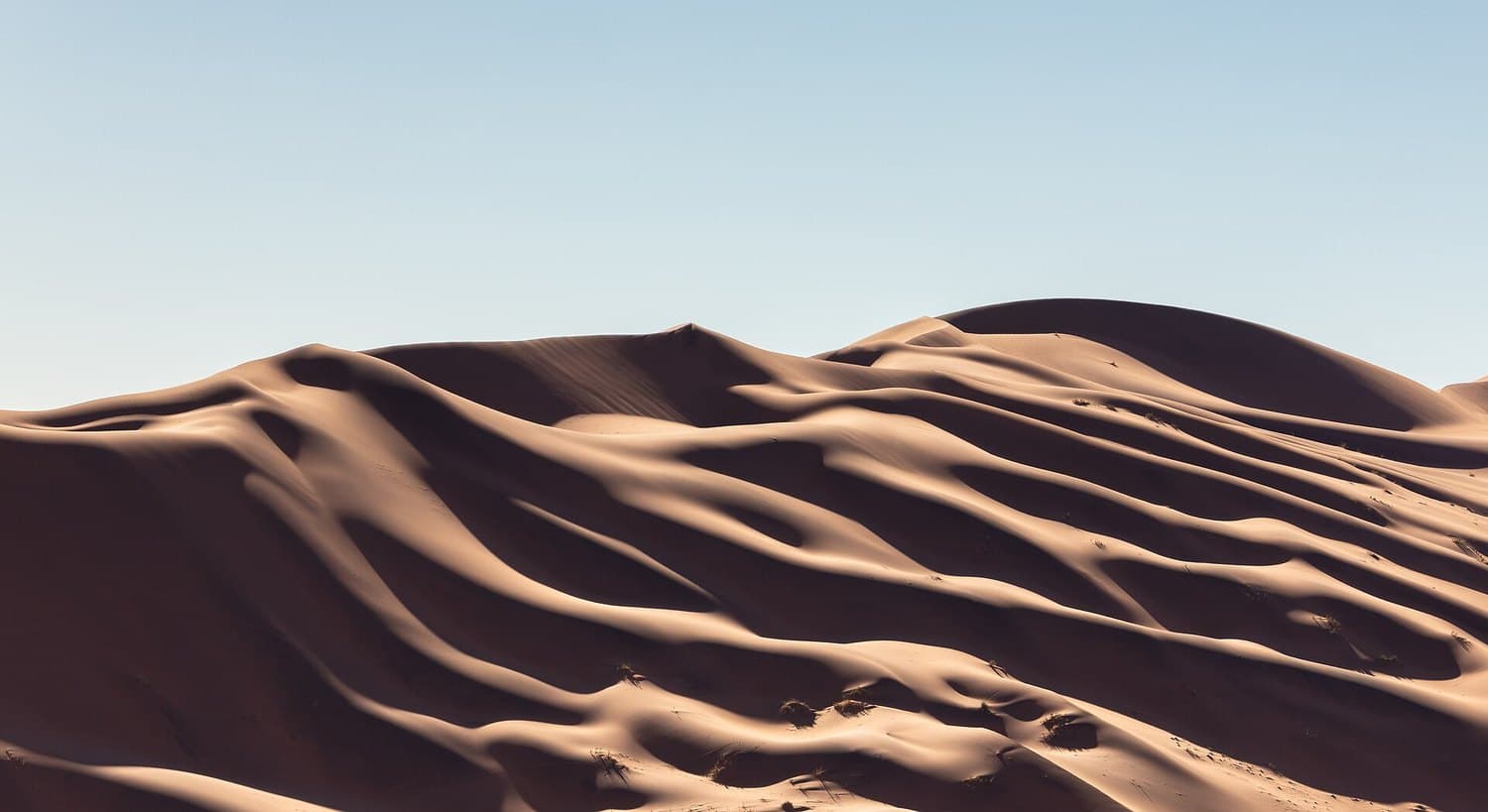
NamibiaPhoto: Diego Delso / Wikimedia Commons (CC BY-SA 4.0)

Namibia

Country · NA · NAD · Africa/Windhoek

This information may change. Always check the official source.Last verified: September 2026 by

Almost everyone has needed a visa since 1 April 2025. Apply online and pay, or pay at one of twelve ports. The approval notice the portal sends you is not the visa.

  • Namibia now requires a visa of nationals of every country that has not reciprocated its own visa exemption. The Ministry of Home Affairs, Immigration, Safety and Security names them on its fact sheet, and the list includes the United Kingdom, the United States, Canada, Australia, New Zealand and almost every EU state.
  • The Ministry's own fact sheet says NAD 1,600 for citizens of non-African countries and NAD 1,200 for citizens of African countries, and adds that the fees are subject to annual review.
  • Online, through the Ministry's e-services portal, before you fly. This is the route the airport operator recommends.
More details

The rule changed on 1 April 2025

  • Namibia now requires a visa of nationals of every country that has not reciprocated its own visa exemption. The Ministry of Home Affairs, Immigration, Safety and Security names them on its fact sheet, and the list includes the United Kingdom, the United States, Canada, Australia, New Zealand and almost every EU state.
  • Twenty-two countries are still exempt, among them South Africa, Botswana, Zambia, Zimbabwe, Angola, Kenya, Malaysia, Singapore, Brazil and Russia. If you are reading an older guide that says Namibia is visa-free, it was written before April 2025.
  • A tourist stay is up to 90 days. Extending it by a further 3 months means applying to the Ministry in Windhoek before the current permission expires.

The fee, and the fact that two official sources give different ones

  • The Ministry's own fact sheet says NAD 1,600 for citizens of non-African countries and NAD 1,200 for citizens of African countries, and adds that the fees are subject to annual review.
  • The FCDO says 1,600 Namibian dollars for travellers over 11, 800 for children aged 6 to 11, and nothing for children under 6, and does not mention the lower African rate at all.
  • The two do not agree, so budget on the higher figure and carry the means to pay either. Nobody publishes a consolidated fee table that reconciles them.
  • Applying at a Namibian mission instead is dearer. The High Commission in London charges 95 pounds for a single entry tourist visa and 125 pounds for multiple entry, takes no cash, no cheque and no credit card, and returns the passport 2 to 5 working days later.

Online, or at the border, and the difference matters

  • Online, through the Ministry's e-services portal, before you fly. This is the route the airport operator recommends.
  • In person on arrival, at twelve ports only: Hosea Kutako International Airport, Walvis Bay International Airport, Walvis Bay Harbour, and the Ariamsvlei, Impalila, Katima Mulilo, Mohembo, Ngoma, Noordoewer, Oshikango, Oranjemund and Trans Kalahari border posts.
  • An e-visa is accepted at every gazetted port except a published list that includes Rundu, Keetmanshoop, Luderitz, Gobabis, Ondangwa, Grootfontein and Mpacha airports and several small border posts. If you are flying into a regional airport, check that it is not on that list.

The approval notice is not the visa

  • The Ministry's own manual is explicit: the Approval Notice you download after approval is not a valid e-visa. Approval only triggers an email prompting you to pay.
  • You pay online, and only then can you download the e-visa. A traveller who lands holding the approval notice has not bought a visa.
  • Carry a hard copy of the e-visa or the approval notice. That is the airport operator's own instruction, and paper survives a flat battery at the immigration counter.

What they ask you for

  • A passport valid for at least 6 months after arrival, with at least 3 blank pages. Both numbers are enforced; three pages is more than most countries want.
  • Medical or travel insurance. In Namibia this is a visa document, not merely a prudent purchase.
  • Proof of accommodation, travel bookings and sufficient funds, plus an invitation letter if you were invited.
  • A valid return or onward ticket, which the airport operator cites straight from the Immigration Control Act 7 of 1993.

Children

  • A full, unabridged birth certificate showing both parents, original or certified copy. The FCDO is explicit that Namibian officials will not accept an abridged short certificate, which is what the UK issues by default.
  • A child travelling with one parent needs the other parent's consent in an affidavit; a child travelling with anyone else needs affidavits from the parents or guardians, contact details for them, and a letter from the host giving the address.
  • Transiting a South African airport adds South Africa's own child documentation rules on top.

At the desk, and afterwards

  • Get the stamp, and read it. Check the date and the length of stay you have been given, because immigration checks both when you leave.
  • Overstaying, or a missing or wrong entry stamp, can mean a fine, arrest, detention or deportation.
  • A tourist visa permits no work of any kind, including volunteering. Convictions carry heavy fines, imprisonment or deportation.
  • A yellow fever certificate is required if you are arriving from a country listed as a transmission risk. The certificate becomes valid 10 days after the vaccination, so this is not a last-week errand.
Sources (4)

Good care exists in Windhoek and nowhere else. Private hospitals may demand payment before treatment, and some travel policies are not recognised here at all.

  • Some travel insurance policies are not recognised by some Namibian hospitals. That is the FCDO's own wording, and it is the sharpest health fact about this country.
  • There are good medical facilities in Windhoek. Availability of most services is restricted to the main towns.
  • Call 211111 in Windhoek and 10111 everywhere else, and ask for an ambulance.
  • Namibia is mainly malaria-free, but the north and north-east are not. Kaokoveld, Etosha, the Otavi Mountains and the east are medium risk, and the risk is highest in the rainy season from November to April.
  • HIV prevalence is among the highest in the world, at around 11.8% of adults compared with about 0.2% in the UK. Take normal precautions.
More details

Check that your insurer is accepted, before you fly

  • Some travel insurance policies are not recognised by some Namibian hospitals. That is the FCDO's own wording, and it is the sharpest health fact about this country.
  • Private hospitals may insist on payment before starting treatment even with comprehensive cover, and may expect you to reclaim from the insurer later. Have a card with a real limit on it, or accessible funds.
  • Ask your insurer specifically whether its product is accepted in Namibia, and arrange alternative cover if it is not.
  • Contact the insurer as soon as you are referred to a facility.

Where the care is

  • There are good medical facilities in Windhoek. Availability of most services is restricted to the main towns.
  • Emergencies in remote areas cost more, because getting the patient to a main town is the expensive part. Lodges and hosts can usually organise it.
  • The insurance needs to cover medical evacuation, which on a Namibian itinerary is a realistic call rather than a box to tick.

Ambulances

  • Call 211111 in Windhoek and 10111 everywhere else, and ask for an ambulance.

Malaria and the shape of the risk

  • Namibia is mainly malaria-free, but the north and north-east are not. Kaokoveld, Etosha, the Otavi Mountains and the east are medium risk, and the risk is highest in the rainy season from November to April.
  • The coast, the Namib Desert and the south are regarded as near risk-free.
  • The area between Otjiwarongo and Windhoek is low risk, which still does not mean skipping repellent.
  • Take advice on prophylaxis at least 6 to 8 weeks before you travel, and protect against bites at dusk, at night and in the early morning whatever you decide about tablets.

The other things worth knowing

  • HIV prevalence is among the highest in the world, at around 11.8% of adults compared with about 0.2% in the UK. Take normal precautions.
  • Altitude sickness is a risk in parts of Namibia, which surprises people who came for the desert.
  • The heat and dryness cause dehydration and skin problems. Carry a good supply of drinkable water in the vehicle, always.
  • Tap water is generally excellent in towns, though the taste varies. Water from stagnant sources should be boiled or treated.
  • Rabies is present and schistosomiasis is a risk in fresh water, so avoid swimming in lakes, rivers and ponds.

Vaccines and certificates

  • Check the recommendations at least 8 weeks ahead.
  • A yellow fever certificate is an entry requirement if you are coming from a transmission-risk country. It only becomes valid 10 days after the vaccination.
  • Polio boosters are recommended, and routine vaccinations should be up to date.
Sources (4)

Windhoek

Long-term averages for Windhoek: the mean daily high, the mean overnight low and the mean monthly rainfall across 30 years of ERA5 reanalysis data (1995–2024).

DayNight
5101520253035°C0200mmJanFebMarAprMayJunJulAugSepOctNovDecJanuary: Day 29.2 °C, Night 17.2 °C, Rain 125 mm. February: Day 28.2 °C, Night 16.9 °C, Rain 128 mm. March: Day 27.1 °C, Night 15.7 °C, Rain 78 mm. April: Day 25.6 °C, Night 13.3 °C, Rain 25 mm. May: Day 23.3 °C, Night 10.2 °C, Rain 4 mm. June: Day 20.8 °C, Night 6.9 °C, Rain 0 mm. July: Day 20.7 °C, Night 6 °C, Rain 0 mm. August: Day 24.1 °C, Night 8.2 °C, Rain 0 mm. September: Day 27.9 °C, Night 11.5 °C, Rain 3 mm. October: Day 30.1 °C, Night 14.6 °C, Rain 11 mm. November: Day 30.4 °C, Night 15.5 °C, Rain 30 mm. December: Day 30.6 °C, Night 16.6 °C, Rain 57 mm
Show the monthly table
Windhoek
MonthDay (°C)Night (°C)Rain (mm)
January29.217.2125
February28.216.9128
March27.115.778
April25.613.325
May23.310.24
June20.86.90
July20.76.00
August24.18.20
September27.911.53
October30.114.611
November30.415.530
December30.616.657

Swakopmund

Long-term averages for Swakopmund: the mean daily high, the mean overnight low and the mean monthly rainfall across 30 years of ERA5 reanalysis data (1995–2024).

DayNight
1015202530°C010mmJanFebMarAprMayJunJulAugSepOctNovDecJanuary: Day 24.8 °C, Night 16.3 °C, Rain 6 mm. February: Day 25.5 °C, Night 16.9 °C, Rain 8 mm. March: Day 26.1 °C, Night 16.5 °C, Rain 5 mm. April: Day 26.3 °C, Night 15.7 °C, Rain 5 mm. May: Day 25.6 °C, Night 13.8 °C, Rain 1 mm. June: Day 24.8 °C, Night 12.5 °C, Rain 0 mm. July: Day 24.5 °C, Night 12 °C, Rain 0 mm. August: Day 22.1 °C, Night 10.2 °C, Rain 0 mm. September: Day 22 °C, Night 10.6 °C, Rain 1 mm. October: Day 22.5 °C, Night 11.8 °C, Rain 0 mm. November: Day 23.6 °C, Night 13 °C, Rain 1 mm. December: Day 23.9 °C, Night 14.5 °C, Rain 3 mm
Show the monthly table
Swakopmund
MonthDay (°C)Night (°C)Rain (mm)
January24.816.36
February25.516.98
March26.116.55
April26.315.75
May25.613.81
June24.812.50
July24.512.00
August22.110.20
September22.010.61
October22.511.80
November23.613.01
December23.914.53

Etosha

Long-term averages for Etosha: the mean daily high, the mean overnight low and the mean monthly rainfall across 30 years of ERA5 reanalysis data (1995–2024).

DayNight
101520253035°C0100mmJanFebMarAprMayJunJulAugSepOctNovDecJanuary: Day 31.3 °C, Night 20 °C, Rain 98 mm. February: Day 30.7 °C, Night 20 °C, Rain 91 mm. March: Day 29.8 °C, Night 19.8 °C, Rain 72 mm. April: Day 29.6 °C, Night 18.2 °C, Rain 18 mm. May: Day 28.1 °C, Night 15 °C, Rain 2 mm. June: Day 25.4 °C, Night 11.5 °C, Rain 0 mm. July: Day 25.3 °C, Night 11.1 °C, Rain 0 mm. August: Day 28.9 °C, Night 13.5 °C, Rain 0 mm. September: Day 32.8 °C, Night 17.3 °C, Rain 1 mm. October: Day 34.6 °C, Night 20.1 °C, Rain 7 mm. November: Day 33.6 °C, Night 20.5 °C, Rain 32 mm. December: Day 32.7 °C, Night 20.3 °C, Rain 73 mm
Show the monthly table
Etosha
MonthDay (°C)Night (°C)Rain (mm)
January31.320.098
February30.720.091
March29.819.872
April29.618.218
May28.115.02
June25.411.50
July25.311.10
August28.913.50
September32.817.31
October34.620.17
November33.620.532
December32.720.373
Sources (1)

SIM registration is a legal requirement, not a shop policy. Bring the passport, expect to be asked for an address, and do not count on coverage off the highways.

  • Every SIM card in Namibia must be registered, under section 77 of the Communications Act and regulations gazetted on 15 March 2021.
  • Since 1 January 2023 an operator has to take your details before it sells and activates a SIM. Buying a working, anonymous SIM from a street stall is not a thing that legally happens.
  • A passport is accepted in place of a Namibian ID. Bring the physical document.
  • You get a signal in the towns and along most of the national highway. International roaming agreements cover 146 countries through 334 network partners, so an existing roaming plan will work in populated areas.
More details

Registration is the law here

  • Every SIM card in Namibia must be registered, under section 77 of the Communications Act and regulations gazetted on 15 March 2021.
  • Since 1 January 2023 an operator has to take your details before it sells and activates a SIM. Buying a working, anonymous SIM from a street stall is not a thing that legally happens.
  • Unregistered SIMs are cut off. A card handed to you already active belongs to whoever registered it.

What to bring to the counter

  • A passport is accepted in place of a Namibian ID. Bring the physical document.
  • MTC also lists proof of a residential address, which a visitor does not have in the usual form. Have your accommodation booking and its address to hand, and register in a staffed shop rather than online where a human can resolve it.
  • The minimum age to hold a SIM is 18.
  • Register at an operator's own shop or enrolment centre. The two networks are MTC and TN Mobile.

Coverage, and where it stops

  • You get a signal in the towns and along most of the national highway. International roaming agreements cover 146 countries through 334 network partners, so an existing roaming plan will work in populated areas.
  • Coverage is unreliable in remote areas, and remote in Namibia means most of it.
  • If you are self-driving into the desert or the far north-west, hire a satellite phone. That is the Tourism Board's own recommendation, and it is the difference between a breakdown and an emergency.
  • Most lodges and guesthouses offer wifi, which is the realistic way to get online on the first evening if the SIM queue defeats you.
Sources (4)

Two hours ahead of London all year, sockets nothing like Europe's, and distances that decide the day more than opening hours do.

  • Namibia is on UTC+2 all year. It stopped changing the clocks in 2017, so the offset from Europe shifts when Europe changes and Namibia does not.
  • 220 to 240 V, and the socket is a large round three pin. Namibia uses type and type , the South African pattern. A UK or European plug will not fit, and a generic travel adapter often will not either.
  • Infrastructure outside the towns is thin. Fuel stations, hotels and restaurants are sparse, so the day is planned around where the next fuel is, not the next sight.
  • The dry season runs April to October, the rainy season November to March. Unpaved roads can become impassable in the rains.
  • Banks: about 09:00 to 15:30 on weekdays, 09:00 to 11:00 on Saturday.
More details

Time

  • Namibia is on UTC+2 all year. It stopped changing the clocks in 2017, so the offset from Europe shifts when Europe changes and Namibia does not.

Power

  • 220 to 240 V, and the socket is a large round three pin. Namibia uses type and type , the South African pattern. A UK or European plug will not fit, and a generic travel adapter often will not either.
  • Buy the adapter before you go or in Windhoek, not at a lodge in the desert.

Distances run the day

  • Infrastructure outside the towns is thin. Fuel stations, hotels and restaurants are sparse, so the day is planned around where the next fuel is, not the next sight.
  • Gravel is 80% of the network and 80 km/h is the sensible ceiling on it. A 300 km leg is a half-day, not three hours.
  • Take water, food, fuel and an emergency kit on anything remote, and tell someone where you are going.

Seasons

  • The dry season runs April to October, the rainy season November to March. Unpaved roads can become impassable in the rains.
  • Veld fires are common in the dry season, and drought is severe and recurring.

The everyday rhythm

  • Banks: about 09:00 to 15:30 on weekdays, 09:00 to 11:00 on Saturday.
  • Driving is on the left, and roadblocks and mobile police checkpoints are routine. Be prepared to show ID and be polite.
  • Dress conservatively and behave discreetly, particularly outside Windhoek and Swakopmund.
  • Use water sparingly. It is a scarce commodity here and both the Tourism Board and the authorities say so.
Sources (4)

Rand spends here at par, Namibian dollars do not spend in South Africa, and fuel stations will not take a credit card. Land with cash.

  • The Namibian dollar is fixed at par to the South African rand, and the rand is legal tender in Namibia. Leftover rand from a Johannesburg or Cape Town leg is spendable the moment you land.
  • Service stations do not accept credit cards for petrol. That is the Namibia Tourism Board's own flat statement, and Global Affairs Canada adds that cash is necessary outside urban centres and at fuel stops.
  • Major cards are widely accepted in the cities, and most ATMs are on international networks. Outside urban centres, assume cash.
  • Foreign currency in any amount may be brought in and the unspent part taken out again, without restriction. That is the Bank of Namibia's own position.
More details

One-way parity with the rand

  • The Namibian dollar is fixed at par to the South African rand, and the rand is legal tender in Namibia. Leftover rand from a Johannesburg or Cape Town leg is spendable the moment you land.
  • The Namibian dollar is not legal tender in South Africa. The relationship only runs one way, so do not carry Namibian notes out expecting to use them on the way home. Spend or change them before you leave.
  • Both currencies circulate side by side, and change may come back in a mix of the two.

Fuel is the reason to carry cash

  • Service stations do not accept credit cards for petrol. That is the Namibia Tourism Board's own flat statement, and Global Affairs Canada adds that cash is necessary outside urban centres and at fuel stops.
  • On a self-drive itinerary this is the single most expensive thing to get wrong. A tank between towns can be a few hundred Namibian dollars and the next ATM can be two hours away.
  • Draw cash at the airport or in Windhoek before you head out, and keep topping up in each town rather than running the wallet down.

Cards, ATMs and skimming

  • Major cards are widely accepted in the cities, and most ATMs are on international networks. Outside urban centres, assume cash.
  • There have been cases of card skimming at hotels and lodges. Keep the card in sight when you pay and check your statement while you are still travelling.
  • Use ATMs inside a bank or a business, or in a well-lit public place, and be aware of who is around you. Theft at and around ATMs is common.

What you may bring, and what you have to declare

  • Foreign currency in any amount may be brought in and the unspent part taken out again, without restriction. That is the Bank of Namibia's own position.
  • Money in your possession has to be declared at the point of entry and of exit under exchange control and customs rules.
  • Namibian and South African notes are capped at NAD 50,000 in or out.
  • Keep your exchange receipts. To buy foreign currency back on departure you have to show documentation that the money was brought in and exchanged here. Without receipts, the unspent balance is stuck.
  • No limits apply between Botswana, Lesotho, Namibia, South Africa and Eswatini, which share a common monetary area.

Practicalities

  • VAT is 15%, and visitors can reclaim it at Hosea Kutako, Eros and Walvis Bay airports. Get to the airport early: the desk takes time.
  • Bank hours are roughly 09:00 to 15:30 on weekdays and 09:00 to 11:00 on Saturday.
  • Do not change large sums in busy public places, which is the FCDO's advice and a sensible habit in Windhoek.
Sources (4)

Everyday prices

Typical prices in Namibian dollar (NAD), averaged across the country by Numbeo and read on 10 September 2026. Tick Convert prices above the table to see every amount in your own currency.

Everyday prices
ItemTypical price
Inexpensive restaurant meal150 NAD
Dinner for two, mid-range, three courses600 NAD
Cappuccino35 NAD
Local draught beer, 0.5 l25 NAD
Bottled water, 0.33 l14 NAD
Public transport, one-way ticket13 NAD
Taxi, starting fare13 NAD
Petrol, 1 litre22 NAD
Cigarettes, pack of 20 (Marlboro)52 NAD
Average net monthly salary16,600 NAD

These are country-wide averages, not a price list: tourist districts, airports and islands sit well above them, and small towns below. The salary line is there for proportion - it is what people living here actually earn.

Sources (1)

Airport guides for Namibia1

One page per airport: the routes into town, what they cost and the trap particular to that arrival.

See all 1 airports

Hosea Kutako is 45 km east of Windhoek and no bus goes there. Shuttles, taxis, the LEFA app and hire cars are the whole list, and no official fare is published.

  • Hosea Kutako International Airport sits 45 km east of Windhoek, over the Khomas Mountains. That is the airport operator's own figure. It is a 40 to 50 minute drive, not a hop into town.
  • The City of Windhoek publishes a municipal bus timetable, and none of its routes serves the airport. The network runs between city suburbs such as Otjomuise, Katutura, Cimbebasia and Prosperita.
  • Tok Tokkie Shuttle Services publishes NAD 250 per seat for a shared Windhoek transfer and from NAD 350 for an exclusive ride. Its shared runs leave about one hour after arrivals and 2 to 3 hours before departures.
More details
The distance is the first fact
  • Hosea Kutako International Airport sits 45 km east of Windhoek, over the Khomas Mountains. That is the airport operator's own figure. It is a 40 to 50 minute drive, not a hop into town.
  • Eros Airport, 5 km from the city centre, is a different airport. Domestic charters and fly-in safaris leave from there, and shuttles link it to Hosea Kutako. Check which one your onward flight uses.
  • Walvis Bay International Airport is 15 km from Walvis Bay and is the second international gateway, useful if the coast is your first stop.
There is no public transport to the airport
  • The City of Windhoek publishes a municipal bus timetable, and none of its routes serves the airport. The network runs between city suburbs such as Otjomuise, Katutura, Cimbebasia and Prosperita.
  • The airport's own passenger information lists registered shuttle and taxi operators and nothing else, and tells arriving passengers to ask at the information desk or the loadmasters.
  • No airport, city or transport authority publishes a fare for the journey. That is the honest state of it: the numbers below are what one operator charges, not a regulated tariff.
What a transfer actually costs, as published by an operator
  • Tok Tokkie Shuttle Services publishes NAD 250 per seat for a shared Windhoek transfer and from NAD 350 for an exclusive ride. Its shared runs leave about one hour after arrivals and 2 to 3 hours before departures.
  • Book before you fly. A shared shuttle that has already left is an hour of waiting in a small terminal 45 km from anywhere.
  • Treat that as the shape of the market rather than the price you will be quoted. Other operators set their own fares and nobody polices them.
The app that works here
  • LEFA is the local cab-requesting app, and it covers Windhoek, Hosea Kutako International Airport and the lodges and game farms around the capital, on its own account. It takes cash or card and shows you the driver and the vehicle before the ride.
  • Install and register it before you land, because setting up an account needs a working phone number.
Taxis, carefully
  • Do not hail a taxi from the street, particularly in Windhoek. That is the FCDO's wording, and the reason it gives is robbery.
  • Use a registered taxi carrying the NABTA logo, arranged by your hotel or the airport desk. Agree the fare before you get in, do not share with strangers, and do not let the driver pick up other passengers.
  • Carry small notes. Metered fares are not the norm.
Hiring a car, which is what most people do
  • Avis, Europcar, Budget and Hertz operate at Hosea Kutako, Eros and Walvis Bay, alongside local firms.
  • Driving is on the left.
  • At least 80% of Namibia's roads are gravel and the Tourism Board's own recommendation is not to exceed 80 km/h on them. Plan your first day's drive at gravel speed, not map speed.
  • Read the Safety section before you sign the rental agreement. Single-vehicle accidents are the common kind here and the common exclusion.
In the terminal
  • Two bureaux de change, a NamPost counter, and Bank Windhoek and FNB ATMs. Draw cash here: you will need it, and rural ATMs are sparse.
  • VAT refund desks operate at Hosea Kutako, Eros and Walvis Bay. Allow extra time on the way out, not the way in.
Sources (8)

No FCDO advisory covers any part of Namibia. The two real risks are street and vehicle crime in Windhoek, and the roads, where the common accident is the one your rental insurance excludes.

  • The FCDO advises against travel to no part of Namibia. Its guide was still current at 10 September 2026 and was last updated on 10 December 2025.
  • Muggers often target tourists in Windhoek. Attacks may be violent, and they happen at any time of day, including in busy city-centre locations. That is unusually blunt language from the FCDO.
  • Fatal accidents are common and are often about speed on gravel. Tourists are frequently involved in single-vehicle accidents, which are the ones most standard rental policies do not cover.
  • Exercise particular caution along the Namibia to Angola border, where Canada cites banditry and poachers and notes that the border is not always clearly marked.
More details

No advisory, but not no risk

  • The FCDO advises against travel to no part of Namibia. Its guide was still current at 10 September 2026 and was last updated on 10 December 2025.
  • Global Affairs Canada advises a high degree of caution throughout the country because of crime. That is the gap between the two governments, and crime is the reason for it.
  • There is no recent history of terrorism in Namibia.

Windhoek: mugging and vehicle crime

  • Muggers often target tourists in Windhoek. Attacks may be violent, and they happen at any time of day, including in busy city-centre locations. That is unusually blunt language from the FCDO.
  • Gangs sometimes try to enter vehicles at busy intersections. Keep the doors locked and the windows shut in traffic, and keep valuables off the seats.
  • Theft from vehicles at service stations is common. Do not leave the car unattended while you pay or while it is being filled.
  • Do not walk outside after dark, avoid isolated areas, and do not enter townships at night unless you are with someone with local knowledge.
  • Carry photo ID at all times. You may be asked for it at police checkpoints in Windhoek and other towns, and mobile checkpoints on the highways are common. Keep a copy of the passport photo page somewhere else.

The roads are the real hazard

  • Fatal accidents are common and are often about speed on gravel. Tourists are frequently involved in single-vehicle accidents, which are the ones most standard rental policies do not cover.
  • Check the insurance before you sign. Most policies exclude accidents that do not involve another vehicle or an animal. Buy comprehensive cover, and read what it excludes rather than what it promises.
  • Get an International Driving Permit before you leave home. It cannot be obtained in Namibia, and without one it can be extremely difficult to get rental insurance to pay out, even where nobody asked to see it at the counter.
  • Do not exceed 80 km/h on gravel, and carry two spare tyres, plenty of water, food and fuel.
  • Do not drive at night outside towns. Wildlife and livestock on the road are a serious hazard, lighting is absent and many vehicles run without headlights.
  • Gravel roads deteriorate in the rains, from January to April in the FCDO's account and November to March in Canada's. Check whether the route is passable before setting off.
  • In remote areas, travel in daylight, in a convoy of two vehicles where you can, and carry a satellite phone or a GPS. Emergency and roadside assistance is unreliable or non-existent outside Windhoek.
  • Save 9682, the Motor Vehicle Accident Fund's toll free accident response number, before you drive anywhere. The Fund runs it specifically so that crashes get an emergency response.
  • The alcohol limit is 0.079% and penalties for drink-driving are severe. A driver in a fatal accident can face a homicide charge.

Borders, mines and the bush

  • Exercise particular caution along the Namibia to Angola border, where Canada cites banditry and poachers and notes that the border is not always clearly marked.
  • Residual landmines and unexploded ordnance may remain between Katwitwi and Kongola, in Kavango West and the Zambezi Region. Stay on paved and main roads and obey mine warning signs.
  • Desert expeditions kill people who go alone. Trails are usually unmarked. Take an experienced guide, a 4x4, far more water than you think, and insurance that covers helicopter rescue and medical evacuation.
  • Keep your distance from wildlife, including in camps, where animals wander in. Baboons in particular will confront people for food. Only leave the vehicle when a guide or warden says you may.
  • Veld fires spread at 60 km/h or more in the dry season. Check conditions locally before a bush walk.

Laws that catch visitors out

  • Penalties for drugs are severe, including long prison sentences.
  • It is illegal to buy, sell or trade any protected wild animal or its parts without a licence, ivory and rhino horn included, and exports of minerals, diamonds and cultural items are strictly regulated.
  • Do not photograph the President's residence, government buildings, military sites, airports or harbours. People have been detained for it.
  • A drone needs a permit from the Namibia Civil Aviation Authority to be imported or flown, and approval can take several weeks.
  • Drought restrictions on water use carry fines. Water is genuinely scarce and the rules are enforced.

LGBT+ travellers

  • Same-sex relationships are not illegal in Namibia, and there are no laws against discrimination on grounds of sexual orientation. Certain same-sex sexual acts remain illegal but are generally not prosecuted, and Canada notes that the current legal position is under judicial challenge and could be reversed.
  • Attitudes are conservative, especially in rural areas, and public affection may attract unwanted attention.

Women travelling alone

  • Women travelling alone may face harassment or verbal abuse. The general advice about not walking after dark and not hailing street taxis applies with more force.
Sources (5)

One general number, a different ambulance number in Windhoek, and a separate road crash line that most visitors never hear about.

  • 10111 is the number that works nationally, and 999 and 112 also reach the emergency services. Save all three.
  • In Windhoek, call 211111 for an ambulance, which is the city number the FCDO gives rather than the national one.
  • 9682 is the Motor Vehicle Accident Fund's toll free accident response line. It exists specifically to get an emergency response to a road crash, and the Fund asks every road user to save it. On a self-drive trip it is the most likely number you will need.
  • Save all of these offline. Coverage fails outside the towns and a contact in the cloud is not a contact.
  • Call your insurer as soon as you are referred to a hospital, and know in advance whether Namibian hospitals accept your policy at all.
More details

The numbers

Emergency numbers in Namibia
ServiceNumber
Emergency services (ambulance, fire, police)10111, 999 or 112
Ambulance in Windhoek211111
Road crash response, MVA Fund9682
Airport security, toll free0800 111 321

Which one to use

  • 10111 is the number that works nationally, and 999 and 112 also reach the emergency services. Save all three.
  • In Windhoek, call 211111 for an ambulance, which is the city number the FCDO gives rather than the national one.
  • 9682 is the Motor Vehicle Accident Fund's toll free accident response line. It exists specifically to get an emergency response to a road crash, and the Fund asks every road user to save it. On a self-drive trip it is the most likely number you will need.

Before you need them

  • Save all of these offline. Coverage fails outside the towns and a contact in the cloud is not a contact.
  • Call your insurer as soon as you are referred to a hospital, and know in advance whether Namibian hospitals accept your policy at all.
  • Roadside assistance is unreliable or non-existent outside Windhoek. Whatever the hire company promises, plan on being the first responder for a puncture.
Sources (4)