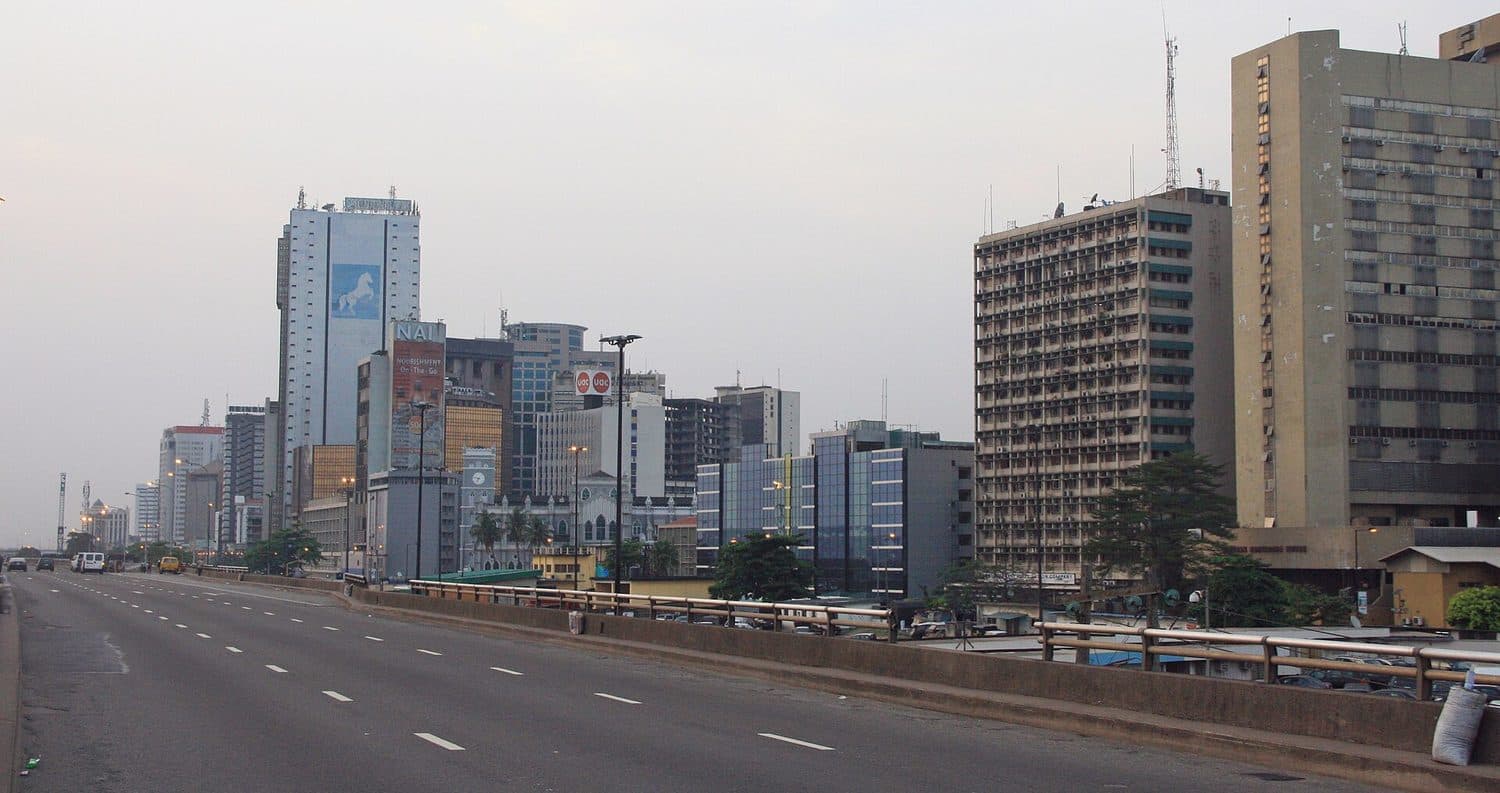
NigeriaPhoto: Clara Sanchiz / Wikimedia Commons (CC BY-SA 2.0)

Nigeria

Country · NG · NGN · Africa/Lagos

This information may change. Always check the official source.Last verified: September 2026 by

No visa on arrival. A 30 day single entry tourism e-visa, a landing card and a health declaration form, all completed online before you fly.

  • Visa on arrival is no longer available. Every visa application goes through the online portal before travel. There is no desk at the airport that will fix this.
  • Transit without a visa covers 48 hours, strictly airside, with an onward ticket, and it does not let you into the country.
  • Landing and departure cards are completed online through the immigration portal, and you may be asked for them at the airport.
  • A yellow fever certificate is a condition of entry. Infants of 8 months or under and adults of 61 or over are exempt.
  • It is illegal to import beer, mineral water, soft drinks, sparkling wine, fruit, vegetables, cereals, eggs, textile fabrics, jewellery or precious metals. That list surprises people carrying gifts.
More details

The visa

  • Visa on arrival is no longer available. Every visa application goes through the online portal before travel. There is no desk at the airport that will fix this.
  • Apply at evisa.immigration.gov.ng, run by the Nigeria Immigration Service.
  • The tourism e-visa is single entry, 30 days, and not extendable. That is the Immigration Service's own description, and it is stricter than most people assume.
  • It wants four things: a valid passport, a return ticket, evidence of accommodation and a bank statement showing sufficient funds.
  • The passport must be valid at least 6 months after the day you arrive.
  • A valid Nigerian residence permit, CERPAC or Green Card, replaces the visa.

Transiting

  • Transit without a visa covers 48 hours, strictly airside, with an onward ticket, and it does not let you into the country.
  • The e-visa transit visa is a different thing, one to seven days, for people who need to leave the airport.

The two forms nobody mentions until the gate

  • Landing and departure cards are completed online through the immigration portal, and you may be asked for them at the airport.
  • The Nigeria Health Declaration Form is filled in online before you enter, and that includes transit passengers. Thermal screening and a travel history check may follow.

Vaccination

  • A yellow fever certificate is a condition of entry. Infants of 8 months or under and adults of 61 or over are exempt.

What you may not bring

  • It is illegal to import beer, mineral water, soft drinks, sparkling wine, fruit, vegetables, cereals, eggs, textile fabrics, jewellery or precious metals. That list surprises people carrying gifts.
  • Exporting African art, particularly antiques, needs written authorisation from the Department of Antiquities.
Sources (3)

Yellow fever certificate required, malaria everywhere, and no national ambulance service behind the emergency number.

  • Nigeria has no national ambulance service and hospital-owned services are extremely limited. 112 will take a report; it will not reliably send a vehicle.
  • That makes the plan different. Know which hospital your insurer will use, know how you would get there, and treat "call an ambulance" as a step that may not work.
  • Yellow fever vaccination is required for entry, with exemptions only for infants of 8 months or under and adults of 61 or over.
  • Malaria is countrywide. Start prophylaxis before you travel.
  • Pharmacies are widely available and accept UK prescriptions. A Nigerian doctor can write a new one for a fee.
More details

There is no ambulance coming

  • Nigeria has no national ambulance service and hospital-owned services are extremely limited. 112 will take a report; it will not reliably send a vehicle.
  • That makes the plan different. Know which hospital your insurer will use, know how you would get there, and treat "call an ambulance" as a step that may not work.
  • Call your insurer as soon as you are referred anywhere. Public hospitals charge, private hospitals charge more, and you pay.

Before you go

  • Yellow fever vaccination is required for entry, with exemptions only for infants of 8 months or under and adults of 61 or over.
  • Malaria is countrywide. Start prophylaxis before you travel.
  • Dengue and Zika are also present, and neither has a tablet. Repellent, covered arms, and think about Zika if you are pregnant or planning to be.
  • Schistosomiasis means not swimming or wading in fresh water.
  • See a travel clinic at least 8 weeks out.

Medicines

  • Pharmacies are widely available and accept UK prescriptions. A Nigerian doctor can write a new one for a fee.
  • Carry the original packaging so anyone can see exactly what you take.
Sources (2)

Lagos

Long-term averages for Lagos: the mean daily high, the mean overnight low and the mean monthly rainfall across 30 years of ERA5 reanalysis data (1995–2024).

DayNight
20253035°C0500mmJanFebMarAprMayJunJulAugSepOctNovDecJanuary: Day 31 °C, Night 25 °C, Rain 28 mm. February: Day 31 °C, Night 26 °C, Rain 40 mm. March: Day 31 °C, Night 26 °C, Rain 83 mm. April: Day 31 °C, Night 26 °C, Rain 118 mm. May: Day 30 °C, Night 26 °C, Rain 195 mm. June: Day 28 °C, Night 24 °C, Rain 285 mm. July: Day 27 °C, Night 24 °C, Rain 198 mm. August: Day 27 °C, Night 24 °C, Rain 136 mm. September: Day 27 °C, Night 24 °C, Rain 197 mm. October: Day 28 °C, Night 24 °C, Rain 168 mm. November: Day 30 °C, Night 25 °C, Rain 71 mm. December: Day 31 °C, Night 25 °C, Rain 28 mm
Show the monthly table
Lagos
MonthDay (°C)Night (°C)Rain (mm)
January312528
February312640
March312683
April3126118
May3026195
June2824285
July2724198
August2724136
September2724197
October2824168
November302571
December312528

Abuja

Long-term averages for Abuja: the mean daily high, the mean overnight low and the mean monthly rainfall across 30 years of ERA5 reanalysis data (1995–2024).

DayNight
2025303540°C0500mmJanFebMarAprMayJunJulAugSepOctNovDecJanuary: Day 34 °C, Night 22 °C, Rain 1 mm. February: Day 36 °C, Night 23 °C, Rain 4 mm. March: Day 36 °C, Night 24 °C, Rain 16 mm. April: Day 34 °C, Night 24 °C, Rain 45 mm. May: Day 31 °C, Night 23 °C, Rain 113 mm. June: Day 29 °C, Night 22 °C, Rain 176 mm. July: Day 27 °C, Night 21 °C, Rain 233 mm. August: Day 27 °C, Night 21 °C, Rain 290 mm. September: Day 28 °C, Night 21 °C, Rain 255 mm. October: Day 30 °C, Night 22 °C, Rain 122 mm. November: Day 33 °C, Night 22 °C, Rain 8 mm. December: Day 34 °C, Night 22 °C, Rain 1 mm
Show the monthly table
Abuja
MonthDay (°C)Night (°C)Rain (mm)
January34221
February36234
March362416
April342445
May3123113
June2922176
July2721233
August2721290
September2821255
October3022122
November33228
December34221

Port Harcourt

Long-term averages for Port Harcourt: the mean daily high, the mean overnight low and the mean monthly rainfall across 30 years of ERA5 reanalysis data (1995–2024).

DayNight
20253035°C0500mmJanFebMarAprMayJunJulAugSepOctNovDecJanuary: Day 32 °C, Night 24 °C, Rain 45 mm. February: Day 32 °C, Night 24 °C, Rain 73 mm. March: Day 31 °C, Night 25 °C, Rain 167 mm. April: Day 30 °C, Night 25 °C, Rain 209 mm. May: Day 30 °C, Night 24 °C, Rain 268 mm. June: Day 28 °C, Night 23 °C, Rain 330 mm. July: Day 28 °C, Night 23 °C, Rain 306 mm. August: Day 28 °C, Night 23 °C, Rain 269 mm. September: Day 28 °C, Night 23 °C, Rain 335 mm. October: Day 29 °C, Night 23 °C, Rain 311 mm. November: Day 30 °C, Night 24 °C, Rain 163 mm. December: Day 31 °C, Night 24 °C, Rain 50 mm
Show the monthly table
Port Harcourt
MonthDay (°C)Night (°C)Rain (mm)
January322445
February322473
March3125167
April3025209
May3024268
June2823330
July2823306
August2823269
September2823335
October2923311
November3024163
December312450
Sources (1)

Your passport is enough. The National Identification Number rule that scares visitors off applies to residents, and the regulator says so.

  • The FCDO tells you your SIM must be linked to a Nigerian Identification Number. Read alone, that sounds like a visitor cannot buy a SIM at all, because a NIN is an identity registration for people who live here.
  • The regulator's own FAQ resolves it. The Nigerian Communications Commission says foreigners on a tourist or visiting visa tender their international passport to acquire a SIM. Legally resident foreigners are the ones who obtain a NIN, like citizens.
  • Everyone using a mobile network in Nigeria must have the SIM registered. There is no anonymous prepaid SIM.
  • Operators have been ordered to suspend mobile networks and wi-fi at very short notice in the past. Download maps and your booking confirmations before you need them.
More details

The rule people misread

  • The FCDO tells you your SIM must be linked to a Nigerian Identification Number. Read alone, that sounds like a visitor cannot buy a SIM at all, because a NIN is an identity registration for people who live here.
  • The regulator's own FAQ resolves it. The Nigerian Communications Commission says foreigners on a tourist or visiting visa tender their international passport to acquire a SIM. Legally resident foreigners are the ones who obtain a NIN, like citizens.
  • If your status later changes to residency or a work permit, you then get a NIN and link the SIM. That is the sentence the FCDO's shorter version is compressing.

In the shop

  • Everyone using a mobile network in Nigeria must have the SIM registered. There is no anonymous prepaid SIM.
  • Operator FAQs are written for Nigerians. MTN's SIM registration page, for instance, lists the NIN or NIN slip and no visitor alternative, so a shop assistant working from the script may say no. The NCC page above is the thing to have open.
  • Buy in a branded operator store, not from a table, and register the SIM in your own name and passport.

Networks can be switched off

  • Operators have been ordered to suspend mobile networks and wi-fi at very short notice in the past. Download maps and your booking confirmations before you need them.
Sources (3)

Type sockets at 230 V, English as the official language, and a country of over 200 million people that no single sentence covers.

  • Type sockets, the British three pin, at 230 V and 50 Hz. A UK plug goes straight in.
  • Sockets are often universal, accepting many plug shapes, but carry an adaptor rather than count on it.
  • English is the official language and the language of government, business and most signage. Hausa, Yoruba and Igbo are the largest of the several hundred languages actually spoken.
  • Nigeria has the largest Muslim population in sub-Saharan Africa, concentrated in the north, and a large Christian population in the south.
  • Dress and behave modestly, especially in the north and at religious sites.
More details

Power

  • Type sockets, the British three pin, at 230 V and 50 Hz. A UK plug goes straight in.
  • Sockets are often universal, accepting many plug shapes, but carry an adaptor rather than count on it.
  • Mains supply is unreliable in much of the country. Hotels run generators; a power bank is not a luxury.

Language

  • English is the official language and the language of government, business and most signage. Hausa, Yoruba and Igbo are the largest of the several hundred languages actually spoken.

Religion and dress

  • Nigeria has the largest Muslim population in sub-Saharan Africa, concentrated in the north, and a large Christian population in the south.
  • Dress and behave modestly, especially in the north and at religious sites.
  • During Ramadan in predominantly Muslim areas, do not eat, drink, smoke or chew gum in public during daylight, including in a car, and check whether a restaurant has a screened area before sitting down to eat.
Sources (2)

The naira. ATMs and the streets around banks are a named crime risk, card fraud is common, and carrying a lot of cash is exactly what you are told not to do.

  • Areas around banks and ATMs have seen a spike in criminal activity. Take extra care withdrawing cash, and especially at night.
  • Credit card fraud is common. Keep the card in sight when you pay a bill, and check the machine before you tap.
  • British nationals are increasingly targeted by scammers operating in West Africa, in romance, friendship, business venture and job forms. Be cautious about any request for funds, and about a first face-to-face meeting with someone you met online.
  • There have been deaths from alcoholic drinks containing methanol, particularly unlicensed traditional gin. You cannot taste or smell it. Buy sealed, licensed products, and get urgent medical help if someone is unwell after drinking.
More details

Cash

  • Areas around banks and ATMs have seen a spike in criminal activity. Take extra care withdrawing cash, and especially at night.
  • Avoid carrying large amounts of cash, and do not wear a valuable watch or jewellery. The FCDO notes that visiting British nationals are targeted for perceived wealth.
  • Withdraw inside a bank or a mall rather than at a street machine where you can, and go by pre-arranged transport.

Cards

  • Credit card fraud is common. Keep the card in sight when you pay a bill, and check the machine before you tap.
  • Tell your bank you are travelling. A first Nigerian transaction is a classic trigger for an automatic block.

Scams

  • British nationals are increasingly targeted by scammers operating in West Africa, in romance, friendship, business venture and job forms. Be cautious about any request for funds, and about a first face-to-face meeting with someone you met online.
  • If you are emailed about sending money to Nigeria for someone you know, contact that person directly. That is the specific check the FCDO asks people to make.

One drink warning that belongs here

  • There have been deaths from alcoholic drinks containing methanol, particularly unlicensed traditional gin. You cannot taste or smell it. Buy sealed, licensed products, and get urgent medical help if someone is unwell after drinking.
Sources (1)

Everyday prices

Typical prices in naira (NGN), averaged across the country by Numbeo and read on 3 September 2026. Tick Convert prices above the table to see every amount in your own currency.

Everyday prices
ItemTypical price
Inexpensive restaurant meal2,500 NGN
Dinner for two, mid-range, three courses40,000 NGN
Cappuccino3,100 NGN
Local draught beer, 0.5 l1,000 NGN
Bottled water, 0.33 l283 NGN
Public transport, one-way ticket500 NGN
Taxi, starting fare797 NGN
Petrol, 1 litre809 NGN
Cigarettes, pack of 20 (Marlboro)1,000 NGN
Average net monthly salary115,000 NGN

These are country-wide averages, not a price list: tourist districts, airports and islands sit well above them, and small towns below. The salary line is there for proportion - it is what people living here actually earn.

Sources (1)

Airport guides for Nigeria2

One page per airport: the routes into town, what they cost and the trap particular to that arrival.

See all 2 airports

Fake greeters are a named problem. Use the airport dispatch desk or a car your hotel sent, and make whoever meets you prove who they are.

  • The FCDO's wording is blunt: criminals posing as greeters are a problem at Nigeria's international airports. If you are expecting someone, make them properly identify themselves before you set off.
  • FAAN runs its own car hire rank and dispatch system at its airports, which links a pick-up to a registered operator, a named driver and a specific vehicle, and keeps a record of the assignment.
  • The international and domestic terminals at Murtala Muhammed are about one kilometre apart and share the runways. A connection onto a domestic flight is a road transfer, not a walk.
  • Lagos traffic can be very slow. Allow far more time than the distance suggests, take water with you, and treat an early flight as a night-before problem.
More details
Make your driver prove it
  • The FCDO's wording is blunt: criminals posing as greeters are a problem at Nigeria's international airports. If you are expecting someone, make them properly identify themselves before you set off.
  • A sign with your name on it is not identification. Ask for the booking reference, the company name or the vehicle registration you were sent, and check it against your own booking rather than against what they tell you.
  • The FCDO also says taxis, including app services, can pose a kidnap risk, and that most major hotels hire out cars with drivers. Where a hotel car is an option, it is the option the FCDO points at.
The airport rank
  • FAAN runs its own car hire rank and dispatch system at its airports, which links a pick-up to a registered operator, a named driver and a specific vehicle, and keeps a record of the assignment.
  • You do not need an app to use it. FAAN's own FAQ says passengers can be served through an authorised service or dispatch desk, which is the point for someone who has just landed with no local data.
  • The fare shown is an estimate and you can agree the final number with the driver. Rates take account of the driver returning to the airport empty, so an airport fare is not a city fare.
  • Uber and Bolt still work off airport. FAAN's rules cover commercial pick-ups inside its own airports, not the rest of the city.
Lagos, specifically
  • The international and domestic terminals at Murtala Muhammed are about one kilometre apart and share the runways. A connection onto a domestic flight is a road transfer, not a walk.
  • The international terminal is the one commissioned on 22 March 2022, built for 14 million passengers a year, and all airlines were moved into it by October 2023. Older accounts of the terminal describe a building that is no longer in use.
Traffic
  • Lagos traffic can be very slow. Allow far more time than the distance suggests, take water with you, and treat an early flight as a night-before problem.
Sources (3)

Large parts of Nigeria carry an FCDO advisory. Lagos State and the Federal Capital Territory do not, and that distinction is the whole map.

  • The FCDO advises against all travel to Borno, Yobe, Adamawa, Gombe, Katsina and Zamfara states, and to the riverine areas of Delta, Bayelsa, Rivers, Akwa Ibom and Cross River.
  • Kidnapping for ransom is widespread and can happen anywhere, worst in the north west but also high in Niger, Kogi, Kwara and the Abuja Federal Capital Territory.
  • There are high levels of violent street crime, muggings and armed robbery, and frequent carjackings on urban roads.
  • Limit travel after dark outside city centres. Avoid quiet, poorly lit roads, keep windows up and doors locked in traffic, and keep valuables out of sight.
More details

The travel advice, stated first

  • The FCDO advises against all travel to Borno, Yobe, Adamawa, Gombe, Katsina and Zamfara states, and to the riverine areas of Delta, Bayelsa, Rivers, Akwa Ibom and Cross River.
  • It advises against all but essential travel to Bauchi, Kaduna, Kano, Kebbi, Jigawa, Sokoto, Niger, Kogi, Plateau, Taraba, Kwara, Benue, Abia, Anambra and Imo states, and to the non-riverine areas of Delta, Bayelsa and Rivers.
  • Lagos State and the Federal Capital Territory appear on neither list. That is why Lagos and Abuja are ordinary destinations and why this guide exists.
  • Travelling against the advice can invalidate your travel insurance. Check your policy against the map before you book anything upcountry.

Kidnapping

  • Kidnapping for ransom is widespread and can happen anywhere, worst in the north west but also high in Niger, Kogi, Kwara and the Abuja Federal Capital Territory.
  • Named highways are a specific risk, including the Abuja to Kaduna highway and the Enugu to Awka to Onitsha expressway.
  • Travel in daylight, vary your routine, and meet in secure locations. That is standard advice for residents and it applies to a visitor with a schedule someone can learn.

Street crime

  • There are high levels of violent street crime, muggings and armed robbery, and frequent carjackings on urban roads.
  • If you are caught in an armed robbery, comply immediately. The FCDO says this plainly and it is the right advice.

Roads

  • Limit travel after dark outside city centres. Avoid quiet, poorly lit roads, keep windows up and doors locked in traffic, and keep valuables out of sight.
  • Checkpoints are everywhere, some official and some there to extract small payments. Slow down, stay calm, do not argue.
  • A UK licence works for 3 months, then a 1968 international driving permit, then a Nigerian licence after a year.

Curfews and protests

  • Curfews are imposed, changed and lifted at short notice. Ignoring one risks arrest and detention, so check locally rather than assuming.
  • Large demonstrations happen in Lagos and Abuja with little warning and have been met with tear gas, rubber bullets and, on occasion, live fire. Avoid them entirely.

Laws that carry serious penalties

  • Drug possession, including cannabis, means a long jail sentence and heavy fines, and border scanning is thorough, including for transit passengers.
  • Photographing government buildings, military sites or airports can lead to arrest.
  • Same-sex sexual activity is illegal, with penalties up to 14 years and the death penalty under Sharia law in some northern states. The Same Sex Marriage Prohibition Act also criminalises organising or attending same-sex weddings and running or joining LGBT+ groups. Read the FCDO's LGBT+ advice before travelling.
  • Dress and behave modestly, particularly in the north and during Ramadan.

Water

  • Rip tides and undertows kill people off the Nigerian coast every year. Get local advice before swimming.
Sources (2)

112 for everything, and no national ambulance service behind it.

  • There is no national ambulance service. Hospital-owned services are extremely limited, so for a medical emergency you may have to arrange local transport yourself.
  • Ask your hotel or host first for a medical emergency. They know which hospital is open and which one your kind of insurance is accepted at, and that is faster than working it out from a hospital bed.
  • Save the British High Commission in Abuja and the Deputy High Commission in Lagos offline, or your own embassy's equivalent. Networks have been suspended at short notice before.
More details

The number

Emergency numbers in Nigeria
ServiceNumber
Ambulance, fire and police112

What 112 will and will not do

  • There is no national ambulance service. Hospital-owned services are extremely limited, so for a medical emergency you may have to arrange local transport yourself.
  • Ask your hotel or host first for a medical emergency. They know which hospital is open and which one your kind of insurance is accepted at, and that is faster than working it out from a hospital bed.
  • Save the British High Commission in Abuja and the Deputy High Commission in Lagos offline, or your own embassy's equivalent. Networks have been suspended at short notice before.
Sources (2)