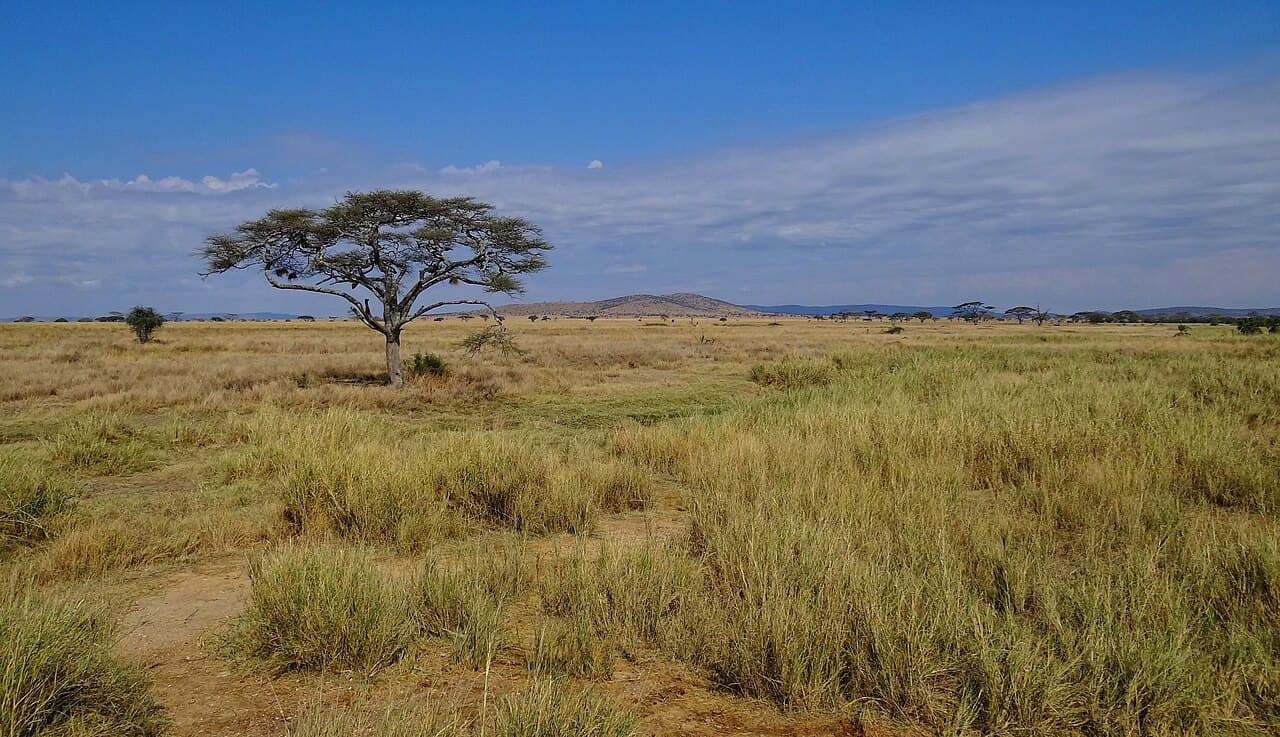
TanzaniaPhoto: Bjørn Christian Tørrissen / Wikimedia Commons (CC BY-SA 3.0)

Tanzania

Country · TZ · TZS · Africa/Dar_es_Salaam

This information may change. Always check the official source.Last verified: August 2026 by

An e-visa costs USD 50, Americans are required to buy the USD 100 one, and Zanzibar will not let you in without its own USD 44 insurance policy bought before you fly.

  • Every non-resident visitor to Zanzibar must hold the Zanzibar Insurance Corporation policy - USD 44 an adult, USD 22 a child of 3 to 17 - bought at visitzanzibar.go.tz before flying.
  • It is checked at the airport and the ferry terminal, and people without it are refused entry. Your own travel policy is not accepted as a substitute; mainland Tanzania does not require it.
  • US passport holders cannot buy the ordinary USD 50 visa at all. Immigration requires them to take the USD 100 multiple entry one, which looks like an upsell and is the actual rule.
  • Apply for an e-visa before you fly, at visa.immigration.go.tz, and allow about 10 working days. Visa on arrival is still being issued but multiple entry visas never are.
  • Your passport needs 6 months of validity and a blank page, a yellow fever certificate is required from listed risk countries, and plastic bags are surrendered on arrival.
More details

The visa

  • Apply for an e-visa before you fly, at visa.immigration.go.tz, which is the only official site. Allow about 10 working days.
  • USD 50 for the ordinary tourist visa, single entry, valid for a stay of up to 90 days.
  • USD 100 for the multiple entry visa, valid one year.
  • USD 30 for a transit visa.
  • Your passport must be valid 6 months from arrival and have a blank page.

The rule that catches Americans

Holders of United States passports travelling for tourism cannot apply for the ordinary visa. The immigration department requires them to take the USD 100 multiple entry visa, valid one year.

  • It looks like an upsell on the application form and it is the actual rule.
  • Choosing the USD 50 option as an American gets the application rejected, and you lose the time rather than the money.
  • It is genuinely multiple entry, so it pays for itself if you are hopping to Kenya or Rwanda and back.

Visa on arrival, honestly

  • The FCDO still lists visa on arrival as available at main ports of entry, and travellers are still being issued them at Kilimanjaro, Dar es Salaam and Zanzibar.
  • A number of operators state it was withdrawn in January 2025, and the immigration department pushes everyone towards the e-visa.
  • Multiple entry visas cannot be issued on arrival at all, which by itself makes the e-visa the only route for Americans.
  • The safe answer is to hold an e-visa before boarding. The airline is the checkpoint that matters, and a queue at 03:00 at Kilimanjaro after a 9-hour flight is not where you want to discover a policy change.
  • Some nationalities need a referral visa, which takes around two months and cannot be done on arrival. Check your own position early.

Zanzibar's compulsory insurance

This is the single most common way a Tanzanian trip goes wrong at the border.

  • Every non-resident visitor to Zanzibar must hold a Zanzibar Insurance Corporation policy. Not travel insurance generally - this specific one.
  • USD 44 per adult, USD 22 per child aged 3 to 17, free for under-3s, covering stays up to 92 days.
  • Buy it at visitzanzibar.go.tz before you travel. You get a QR code by email.
  • It is checked at the airport and at the ferry terminal, and people without it are refused entry. Your own policy from home is not accepted as a substitute.
  • It covers emergency medical up to USD 50,000, evacuation and baggage - so it is real cover rather than a tax, but it is not enough on its own.
  • Mainland Tanzania does not require it. Only Zanzibar and Pemba.

Yellow fever, and other things at the border

  • A yellow fever certificate is required if you are arriving from a country on the transmission risk list, which includes Kenya, Uganda and much of central and west Africa. A long airport transit through one can count.
  • Plastic bags are banned. Surrender any you are carrying on arrival; the resealable bag for airport liquids is the one exception.
  • Screening for Ebola and mpox operates at entry points, with temperature checks.
  • Drones need permission in advance and are confiscated without it.
Sources (3)

Tanzania bans plastic bags at the border, and flying between Zanzibar and the mainland is a customs crossing.

  • Plastic carrier bags are prohibited. They are collected at the airport on arrival, and there is a declaration desk for them at Kilimanjaro and Dar es Salaam - zip-lock toiletry bags are the one tolerated exception.
  • Zanzibar has its own customs administration. The flight or ferry between the island and the mainland is treated as an international crossing, with its own checks and its own paperwork.
  • Ivory, shells and wildlife trophies may not be exported. Penalties under the wildlife legislation are severe and the airport scanners are looking.
  • The allowance is 200 cigarettes and a litre of spirits per adult.
  • Cash above the declarable threshold must be reported.
More details
  • Plastic carrier bags are prohibited. They are collected at the airport on arrival, and there is a declaration desk for them at Kilimanjaro and Dar es Salaam - zip-lock toiletry bags are the one tolerated exception.
  • Zanzibar has its own customs administration. The flight or ferry between the island and the mainland is treated as an international crossing, with its own checks and its own paperwork.
  • Ivory, shells and wildlife trophies may not be exported. Penalties under the wildlife legislation are severe and the airport scanners are looking.
  • The allowance is 200 cigarettes and a litre of spirits per adult.
  • Cash above the declarable threshold must be reported.
  • Drones need advance permission and are seized without it.
Sources (1)

Malaria is everywhere and prophylaxis is not optional. Medical facilities outside Dar es Salaam are limited, so evacuation cover is the part of the insurance that matters.

  • Malaria is present across almost all of Tanzania, Zanzibar and the parks included, below about 1,800 metres. Take prophylaxis prescribed by a travel clinic, and avoid bites as well.
  • Any fever within a year of coming home is malaria until a test says otherwise. Tell the doctor where you have been.
  • Allow 6 to 8 weeks for a travel clinic: yellow fever, hepatitis A and typhoid are the usual list, with rabies worth discussing for remote travel.
  • Insurance must cover medical evacuation. In the parks there is nothing, the plan for anything serious is a flight out, and AMREF Flying Doctors membership is cheap and widely used.
  • On Kilimanjaro, choose a route of 7 days or more. The 5-day Marangu has the worst summit success and the worst safety record, and descent is the only cure for altitude sickness.
More details

Malaria

Take this seriously. It is the single most important health decision of the trip.

  • Malaria is present across almost all of Tanzania, including Zanzibar and the safari parks, at altitudes below about 1,800 metres.
  • Take prophylaxis, prescribed by a travel clinic. Which one depends on your trip and your health, so ask 6 to 8 weeks before you go.
  • Prophylaxis is not complete protection. Bite avoidance is the other half: repellent with DEET, long sleeves and trousers after dusk, a net over the bed, and permethrin-treated clothing if you are camping.
  • The mosquito that carries malaria bites from dusk to dawn. The daytime ones carry dengue instead.
  • Any fever within a year of coming home is malaria until a test says otherwise. Tell the doctor where you have been.

Before you go

  • Yellow fever vaccination is required if you are arriving from a risk country and recommended more widely.
  • Hepatitis A and typhoid are routine recommendations, and rabies is worth discussing if you are going remote.
  • Check tetanus, polio and MMR are current.
  • Allow 6 to 8 weeks for a travel clinic appointment and the course to take effect.

Medical care and insurance

  • Facilities are limited, especially outside Dar es Salaam. Aga Khan and the Nairobi hospitals are the regional standard.
  • Arusha has adequate private clinics for ordinary problems.
  • In the parks there is nothing. The plan for anything serious is a flight out.
  • Insurance must cover medical evacuation. AMREF Flying Doctors membership is cheap, widely used in East Africa and worth buying on top of a normal policy.
  • You pay first and claim later almost everywhere. Keep every receipt.

Kilimanjaro

  • Altitude sickness is the reason people fail on Kilimanjaro, and occasionally the reason they die.
  • Choose a route of 7 days or more. The 5-day Marangu has the worst summit success rate and the worst safety record, for exactly this reason.
  • Ascend slowly, drink constantly, and tell your guide the truth about headaches and nausea.
  • Diamox is worth discussing with a doctor before you go.
  • Descent is the only cure. A good operator carries oxygen and a stretcher and will turn you around; a cheap one may not.

Food, water and the sun

  • Do not drink tap water. Bottled or filtered only, and be careful with ice outside good hotels.
  • Peel it, boil it, or leave it for fruit and salad away from established places.
  • Stomach upsets are near universal. Carry rehydration salts and something to stop it for a travel day.
  • The equatorial sun is brutal, on the plains and on the water alike. High-factor sunscreen, a hat, and long sleeves in the middle of the day.
  • Bilharzia is present in lakes including parts of Lake Victoria and Lake Tanganyika. Ask locally before swimming; the sea and chlorinated pools are fine.
Sources (3)

Dar es Salaam

Long-term averages for Dar es Salaam: the mean daily high, the mean overnight low and the mean monthly rainfall across 30 years of ERA5 reanalysis data (1995–2024).

DayNight
20253035°C0250mmJanFebMarAprMayJunJulAugSepOctNovDecJanuary: Day 31 °C, Night 25 °C, Rain 63 mm. February: Day 31 °C, Night 25 °C, Rain 62 mm. March: Day 30 °C, Night 25 °C, Rain 155 mm. April: Day 29 °C, Night 24 °C, Rain 223 mm. May: Day 28 °C, Night 23 °C, Rain 122 mm. June: Day 28 °C, Night 22 °C, Rain 35 mm. July: Day 28 °C, Night 22 °C, Rain 20 mm. August: Day 28 °C, Night 22 °C, Rain 23 mm. September: Day 29 °C, Night 22 °C, Rain 25 mm. October: Day 29 °C, Night 23 °C, Rain 59 mm. November: Day 30 °C, Night 24 °C, Rain 96 mm. December: Day 30 °C, Night 25 °C, Rain 94 mm
Show the monthly table
Dar es Salaam
MonthDay (°C)Night (°C)Rain (mm)
January312563
February312562
March3025155
April2924223
May2823122
June282235
July282220
August282223
September292225
October292359
November302496
December302594

Zanzibar City

Long-term averages for Zanzibar City: the mean daily high, the mean overnight low and the mean monthly rainfall across 30 years of ERA5 reanalysis data (1995–2024).

DayNight
20253035°C0250mmJanFebMarAprMayJunJulAugSepOctNovDecJanuary: Day 30 °C, Night 26 °C, Rain 49 mm. February: Day 31 °C, Night 26 °C, Rain 40 mm. March: Day 31 °C, Night 26 °C, Rain 122 mm. April: Day 29 °C, Night 25 °C, Rain 237 mm. May: Day 28 °C, Night 24 °C, Rain 140 mm. June: Day 28 °C, Night 23 °C, Rain 42 mm. July: Day 27 °C, Night 23 °C, Rain 28 mm. August: Day 28 °C, Night 22 °C, Rain 27 mm. September: Day 29 °C, Night 23 °C, Rain 26 mm. October: Day 30 °C, Night 24 °C, Rain 64 mm. November: Day 30 °C, Night 24 °C, Rain 98 mm. December: Day 30 °C, Night 25 °C, Rain 91 mm
Show the monthly table
Zanzibar City
MonthDay (°C)Night (°C)Rain (mm)
January302649
February312640
March3126122
April2925237
May2824140
June282342
July272328
August282227
September292326
October302464
November302498
December302591

Arusha

Long-term averages for Arusha: the mean daily high, the mean overnight low and the mean monthly rainfall across 30 years of ERA5 reanalysis data (1995–2024).

DayNight
1015202530°C0200mmJanFebMarAprMayJunJulAugSepOctNovDecJanuary: Day 28 °C, Night 16 °C, Rain 72 mm. February: Day 29 °C, Night 17 °C, Rain 70 mm. March: Day 27 °C, Night 17 °C, Rain 130 mm. April: Day 25 °C, Night 17 °C, Rain 187 mm. May: Day 23 °C, Night 16 °C, Rain 96 mm. June: Day 22 °C, Night 14 °C, Rain 26 mm. July: Day 22 °C, Night 13 °C, Rain 20 mm. August: Day 23 °C, Night 13 °C, Rain 18 mm. September: Day 25 °C, Night 14 °C, Rain 14 mm. October: Day 27 °C, Night 16 °C, Rain 33 mm. November: Day 26 °C, Night 17 °C, Rain 76 mm. December: Day 27 °C, Night 16 °C, Rain 82 mm
Show the monthly table
Arusha
MonthDay (°C)Night (°C)Rain (mm)
January281672
February291770
March2717130
April2517187
May231696
June221426
July221320
August231318
September251414
October271633
November261776
December271682
Sources (1)

Safari lodges book out a year ahead for the migration months and cost more than the flight. Zanzibar is where the budget recovers.

  • Safari lodges are where the money goes, and the migration months book a year ahead - June to October for the river crossings, January to March for the calving.
  • Mobile tented camps follow the herds and are the good-value serious option: canvas, proper beds, no fence, moving with the season.
  • Staying just outside a park is far cheaper and costs you an hour of driving each morning plus a fresh 24-hour park fee problem. Ask your operator to explain the arithmetic.
  • Zanzibar is where a safari budget recovers. Nungwi and Kendwa are swimmable at all tides; the east coast tides walk the sea out half a kilometre, which surprises people who booked a beach.
  • Confirm the mosquito net, the generator hours and the hot water, and get what a safari price includes in writing: park fees, drinks, transfers, the airport pickup and tips.
More details

Safari lodges

  • This is where the money goes. A bed inside the Serengeti runs from a few hundred to a few thousand dollars a night, and the park fees sit on top.
  • Book the migration months a year ahead. June to October for the river crossings, January to March for the calving in the southern Serengeti.
  • Mobile tented camps follow the herds and are the good-value serious option: canvas, proper beds, no fence, and they move with the season.
  • Staying just outside a park is far cheaper and costs you an hour of driving each morning plus a fresh 24-hour park fee timing problem. Ask your operator to explain the arithmetic.
  • Public campsites inside the parks are bookable through TANAPA and are the budget route, with facilities to match.

Arusha and Moshi

  • Arusha is where safaris start and has everything from hostels to colonial hotels.
  • Moshi is quieter and closer to Kilimanjaro, and is where most climbs stage from.
  • One night before and one night after is worth booking even on a tight schedule. Flights arrive late and climbs end filthy.

Zanzibar

  • Stone Town for two or three nights, in a converted merchant's house with a rooftop.
  • Then the coast. Nungwi and Kendwa in the north have swimmable water at all tides; the east coast at Paje and Jambiani has enormous tides that walk the sea out half a kilometre at low water, which surprises people who booked a beach.
  • Prices span everything from USD 20 guesthouses to serious resorts, and Zanzibar is where a safari budget recovers.
  • Ramadan changes the island noticeably - many restaurants closed in daylight, a quieter atmosphere - which is worth knowing rather than avoiding.

Practical checks

  • Mosquito nets and air conditioning are the two things to confirm. A net over the bed is standard and matters.
  • Power cuts are routine. Ask whether there is a generator and what hours it runs.
  • Hot water in cheaper places is solar, which means it exists in the evening and not at 06:00.
  • Confirm what is included on a safari booking in writing: park fees, drinks, transfers, the airport pickup, and tips.
Sources (3)

Registration is biometric, so the SIM is bought in a shop with your fingerprints rather than at a kiosk. Vodacom or Yas, and mobile money matters more than the data.

  • Registration is biometric, with fingerprints against your passport, so a SIM is bought at an operator shop or authorised agent rather than grabbed from a stall.
  • Unregistered SIMs are switched off, so a "ready to go" card from a street seller is a card that will die in a few days.
  • Vodacom has the widest coverage including most of the northern safari circuit, Yas is its equal in the cities and often cheaper, and Airtel is a solid backup.
  • Mobile money is the point. M-Pesa, Airtel Money and Mixx are how Tanzania pays, agents are on every corner, and it works where cards do not.
  • The parks are patchier than you expect - signal at the lodges and gates, nothing between them, none on the Ngorongoro crater floor - and power is the real constraint, not coverage.
More details

Biometric registration changes how you buy one

Tanzania requires every SIM to be registered biometrically, with fingerprints, against an identity document. This is why you cannot simply grab one from a stall.

  • Go to an operator shop or an authorised agent with your passport. The airport arrivals halls at Dar es Salaam, Kilimanjaro and Zanzibar all have them.
  • It takes 10 to 20 minutes and involves a fingerprint scanner.
  • A SIM itself is a few thousand shillings; the bundle is the real cost, and data here is cheap.
  • Unregistered SIMs are switched off, so a "ready to go" card bought from a street seller is a card that will die in a few days.
  • eSIM support is patchy on local networks. A travel eSIM works and costs several times the local price; for a two-week safari the local SIM is worth the queue.

Which network

  • Vodacom has the widest coverage, including most of the northern safari circuit, and runs M-Pesa.
  • Yas, formerly Tigo, is its equal in the cities and often cheaper.
  • Airtel is a solid backup with good regional reach.
  • Halotel is strongest in rural areas and weakest where visitors go.
  • Buy bundles with a short code rather than at a counter once you are set up - the shop will show you how.

Mobile money is the point

  • M-Pesa, Airtel Money and Mixx are how Tanzania pays for things. Far more so than cards.
  • A registered SIM gives you a mobile money wallet, which you can load with cash at any agent - there is one on every corner, wearing a branded bib.
  • It works for hotels, restaurants, guides, tips and the small stuff where cards do not.
  • Ask your guesthouse to help you set it up on day one. It is the single biggest quality-of-life improvement available to a visitor here.

Coverage

  • Dar es Salaam, Arusha, Moshi, Stone Town and the beach strips are well covered, with 4G that works.
  • The parks are patchier than you expect. The Serengeti has signal at the lodges and gates and nothing between them; the Ngorongoro crater floor has none.
  • Download offline maps and your safari itinerary before you go in.
  • Power is the real constraint on safari, not signal. Lodges run generators for set hours; take two power banks and a car charger.
Sources (3)

Tanzanian sockets are British Type at 230 V, with round-pin Type surviving in older buildings.

  • British plugs fit the Type sockets, which is what hotels and newer buildings have.
  • Type is the legacy fitting and needs its own adapter; a universal one covers both.
  • A Europlug fits neither without an adapter.
  • Safari camps and Zanzibar guesthouses run on solar and generators, often with charging points in a common area rather than in the room.
  • 230 V, so American 120 V-only appliances need a converter. Kenya and Uganda use the same plug at 240 V.
More details

Sockets in Tanzania are Type and at 230 V, 50 Hz - the British three-pin plug, with the older round-pin socket still in use.

  • British plugs fit the Type sockets, which is what hotels and newer buildings have.
  • Type is the legacy fitting and needs its own adapter; a universal one covers both.
  • A Europlug fits neither without an adapter.
  • Safari camps and Zanzibar guesthouses run on solar and generators, often with charging points in a common area rather than in the room.
  • 230 V, so American 120 V-only appliances need a converter. Kenya and Uganda use the same plug at 240 V.
Sources (1)

Greetings are not optional and Swahili is easy to start. UK plugs, a slow pace, and a set of manners that opens every door here.

  • You do not start a conversation in Tanzania by asking for something. Skipping the greeting is the commonest way a visitor comes across as rude without realising it.
  • Mambo or habari is what people actually say, answered poa or nzuri; shikamoo is the respectful greeting to someone older, answered marahaba, and it will visibly delight people.
  • Use the right hand for eating, giving and receiving, ask before photographing anyone, and expect a Maasai to name a price - which is a transaction rather than an insult.
  • Swahili time is counted from sunrise, so saa mbili is 08:00 rather than 02:00. Confirm times in numbers with anyone local.
  • Plugs are the British three-pin type , with type also found, at 230 V, power cuts are routine, and toilets outside hotels rarely have paper.
More details

Greetings, which really matter

You do not start a conversation in Tanzania by asking for something. Skipping the greeting is the commonest way a visitor comes across as rude without realising it.

  • Say hello first, always, before a question, a price or a request.
  • Jambo is the tourist greeting; mambo or habari is what people actually say. Answer poa or nzuri.
  • Shikamoo is the respectful greeting to someone older, answered marahaba. Using it will visibly delight people.
  • Asante for thank you, karibu for you are welcome, and karibu also means welcome, come in.
  • Handshakes are common and lingering. Use the right hand.
  • Pole pole means slowly and is both a mountain instruction and a national philosophy.

Manners

  • Use the right hand for eating, giving and receiving.
  • Ask before photographing people, and expect to be asked for money by someone posing. Both are fair.
  • Do not photograph the Maasai without agreeing a price, which is a straightforward transaction rather than an insult.
  • Public affection is not done, between any couple.
  • Dress modestly away from beach resorts. Shorts on a man are acceptable in tourist areas and out of place in a village.

Language

  • Swahili is the national language and English is widely spoken in tourism, government and cities.
  • A dozen words of Swahili go further here than in almost any country. It is a phonetic, regular, welcoming language and people respond warmly to any attempt.
  • Outside towns, English thins out fast.

Practical odds and ends

  • Plugs are the British three-pin type , with type also found, at 230 V, 50 Hz.
  • Power cuts are routine and generators run on schedules. Charge everything when you can.
  • Swahili time is counted from sunrise, so "saa mbili" is 08:00 rather than 02:00. Confirm times in numbers with anyone local, not just as words.
  • Bargaining is expected in markets and for taxis, not in shops or restaurants.
  • Toilets outside hotels are often squat and rarely have paper. Carry tissue and hand gel.
  • Tanzania is a poor country and you are visibly wealthy in it. Being asked for money is normal; giving to children in the street is discouraged by every local organisation, which prefer donations to schools and clinics.
  • Zanzibar and the coast follow Ramadan closely. Eating and drinking in public in daylight is poor manners there during the month.
Sources (3)

Shillings for daily life, dollars for parks and lodges, and your dollar notes must be dated 2009 or later and physically perfect or they will be refused.

  • Two currencies, two jobs. Shillings for food, taxis, markets and buses; US dollars for visas, park fees, operators, lodges and dive schools. Neither alone is enough.
  • Dollar notes must be dated 2009 or later and physically perfect - no tears, no pen marks, no worn folds - or they are refused by banks, bureaux and lodges without apology.
  • Large denominations get a better exchange rate, so weight what you bring towards USD 50 and USD 100 notes and check every one before you fly.
  • Cards work at lodges and established restaurants with a 3 to 5 percent surcharge and nowhere else. Use ATMs inside a bank branch in daylight; express kidnapping is a documented risk.
  • Safari tipping is a real budget line: roughly USD 20 to USD 30 a day for a driver-guide from the group, and Kilimanjaro crews run to hundreds of dollars. Bring it sorted, in cash.
More details

Two currencies, two jobs

  • The Tanzanian shilling is what daily life runs on: food, taxis, markets, buses, tips in town.
  • US dollars are what the tourist economy prices in: visas, park fees, safari operators, lodges, the Zanzibar insurance, dive schools.
  • Carry both. Neither alone is enough.

The dollar note rule, which is not negotiable

This is the money mistake visitors actually make.

  • Notes must be dated 2009 or later. Older series are refused by banks, bureaux, lodges and shops, without exception and without apology.
  • They must be physically perfect - no tears, no pen marks, no soft worn feel, no folds worn through.
  • Large denominations get a better exchange rate than small ones, so bring a mix but weight it towards USD 50 and USD 100 notes.
  • Get them from your own bank before you fly and check every note.

Cards, cash machines and mobile money

  • Cards work at lodges, larger hotels, established restaurants in Dar, Arusha and Stone Town, usually with a surcharge of 3 to 5 percent.
  • They do not work anywhere else. Markets, small guesthouses, taxis, guides, tips.
  • ATMs are common in the cities and absent in the parks. CRDB, NMB and Exim are reliable; withdrawal limits are low, so expect several transactions.
  • Use ATMs inside a bank branch in daylight. Express kidnapping - being taken to a machine and made to withdraw - is a documented risk here.
  • M-Pesa is the real payment system. See the SIM section: set it up on the first day and use it for everything small.

Changing money

  • Use a licensed bureau de change or a bank, not a man in the street offering a better rate.
  • The airport rate is poor but adequate for the first day.
  • Count what you receive before leaving the counter, and keep the receipt.
  • Do not change more shillings than you need. Converting back is difficult and expensive.

Tipping, which is a real budget line here

  • Safari tipping is substantial and expected: roughly USD 20 to USD 30 per day for a driver-guide from the group, plus lodge staff.
  • Kilimanjaro crew tipping runs to hundreds of dollars across the porters, cooks and guides, and operators publish guidelines. Budget it from the start rather than discovering it on the last morning.
  • Restaurants: 5 to 10 percent where no service charge is added.
  • Bring the tip money in cash, in good dollar notes and small shilling notes, sorted before you go into the bush. There is nowhere to get change at a mountain gate.
Sources (3)

Everyday prices

Typical prices in Tanzanian shilling (TZS), averaged across the country by Numbeo and read on 18 August 2026. Tick Convert prices above the table to see every amount in your own currency.

Everyday prices
ItemTypical price
Inexpensive restaurant meal5,500 TZS
Dinner for two, mid-range, three courses50,000 TZS
Cappuccino5,050 TZS
Local draught beer, 0.5 l2,500 TZS
Bottled water, 0.33 l640 TZS
Public transport, one-way ticket650 TZS
Taxi, starting fare4,500 TZS
Petrol, 1 litre3,380 TZS
Cigarettes, pack of 20 (Marlboro)5,000 TZS
Average net monthly salary647,000 TZS

These are country-wide averages, not a price list: tourist districts, airports and islands sit well above them, and small towns below. The salary line is there for proportion - it is what people living here actually earn.

Sources (1)

Airport guides for Tanzania3

One page per airport: the routes into town, what they cost and the trap particular to that arrival.

See all 3 airports

Three airports that behave completely differently. Kilimanjaro is an hour from anywhere, Zanzibar is ten minutes from Stone Town, and Dar es Salaam has Bolt.

  • Kilimanjaro airport is near nothing: about 50 km from Arusha and 40 km from Moshi, so arrange the transfer with your lodge or operator before you fly.
  • Dar es Salaam's airport is 12 km from the centre, which is 20 minutes at night and well over an hour by day. Bolt and Uber both work and cost far less than the rank.
  • Zanzibar's airport is 6 km from Stone Town. Your insurance QR code is checked here, before immigration, so have it on your phone and printed.
  • Agree every fare before the car moves, in a stated currency and a stated number, and ignore anyone who takes your bag without being asked.
  • Night arrivals are normal here because of the European flight schedules, and the roads out are dark and unlit - which is the strongest argument for a pre-booked transfer.
More details
Kilimanjaro (JRO)

This is the airport most safari visitors land at, and it is not near anything.

  • Arusha is about 50 km west, roughly an hour. Moshi is about 40 km east, a little less.
  • Arrange the transfer with your lodge or safari operator before you fly. Almost every operator includes it, and a driver holding a sign at 03:00 is worth a great deal.
  • A taxi is roughly USD 50 to Arusha and is negotiated rather than metered.
  • There is a shuttle bus to both towns, cheap and slow, and hard work with luggage after a night flight.
  • Get shillings before you leave the airport or make sure your driver takes mobile money. The ATMs in arrivals are the last easy ones.
Dar es Salaam (DAR)
  • Julius Nyerere International is about 12 km from the centre, which is 20 minutes at night and well over an hour in the day.
  • Bolt and Uber both work and are far cheaper than the taxi rank. The pickup point is signposted away from the terminal door.
  • Airport taxis are fixed price and negotiable, usually in the region of TZS 40,000 to TZS 60,000 to the city.
  • Traffic in Dar is genuinely severe. Allow two hours to get back for a flight.
  • Terminal 3 is international. Domestic flights sometimes leave from Terminal 2, which is a separate building and a drive away, not a walk.
Zanzibar (ZNZ)
  • Abeid Amani Karume International is about 6 km from Stone Town, 15 minutes.
  • Hotel transfers are the norm and most places include or arrange one.
  • A taxi to Stone Town is around USD 15, to Nungwi or Paje on the east coast USD 50 to USD 70, and is agreed before you get in.
  • Your Zanzibar insurance QR code is checked here, before immigration. Have it on your phone and printed.
  • The airport is small and the arrivals hall is chaotic. Ignore anyone who takes your bag without being asked.
Common to all three
  • Agree every fare before the car moves, in a stated currency and a stated number.
  • Do not use an unmarked car that approaches you inside the terminal.
  • Keep small notes. Nobody has change for a USD 100 bill at 04:00.
  • Night arrivals are normal here because of the European flight schedules, and the roads are dark and unlit. This is the strongest argument for a pre-booked transfer.
Sources (3)

Distances are enormous and the roads are the main danger in the country. Fly between regions, use Bolt in the cities, and never take a night bus.

  • Tanzania is bigger than France and Germany together, and almost every itinerary that disappoints people has too much driving in it.
  • Arusha to the Serengeti is 8 hours of driving. Fly between regions where the budget allows, and note that light aircraft take about 15 kg in a soft bag.
  • Never travel by road at night, in a bus or a car. Unlit vehicles, no markings, livestock, and drivers who have been going for 14 hours.
  • Park fees are enormous and usually separate from the tour price: about USD 83 per adult per 24 hours in the Serengeti, USD 70.80 in the Ngorongoro Conservation Area, plus USD 295 a vehicle to descend into the crater - and a concession fee again on top if you sleep inside a park.
  • Ask explicitly whether park fees are included in a quote. It is the single largest source of dispute between visitors and operators, and the gates are now cashless.
More details

The scale of the place

Tanzania is bigger than France and Germany together. Almost every itinerary that disappoints people has too much driving in it.

  • Arusha to the Serengeti is 8 hours of driving on a road that is rough for the last stretch.
  • Dar es Salaam to Arusha is a full day.
  • Fly between regions wherever the budget allows. Precision Air, Auric and Coastal Aviation link the cities and the bush airstrips.
  • Light aircraft baggage limits are around 15 kg in a soft bag, which surprises people at check-in. Leave a hard case at your first hotel.

Cities

  • Bolt and Uber work in Dar es Salaam, and Bolt in Arusha. Both are cheap.
  • Bajaji, the three-wheelers, are everywhere and are negotiated. Fine for short hops in daylight.
  • Boda boda motorcycle taxis are fast, cheap and how visitors get badly hurt. Helmets are rare and the FCDO is blunt about them.
  • Dala dala minibuses are the local network: crowded, chaotic, extremely cheap, and not somewhere to have a bag on your shoulder.

Between towns

  • Buses are the way most Tanzanians travel. Kilimanjaro Express, Dar Express and Shabiby are the better operators on the main routes.
  • Never travel by road at night, in a bus or a car. Unlit vehicles, no markings, livestock, and drivers who have been going for 14 hours.
  • Book a seat near the front and avoid the very cheapest operator on any route.
  • The TAZARA and central line trains exist and are an experience rather than transport.

Zanzibar and the coast

  • The Azam ferry from Dar es Salaam to Zanzibar takes about 2 hours and runs several times a day. Buy from the official office, not from a man on the quay.
  • Non-residents pay a higher fare than Tanzanians, which is posted and official.
  • Flights from Dar to Zanzibar take 20 minutes and cost little more than the fast ferry.
  • On the island, taxis are the practical option and everything is negotiated. Agree the fare in shillings or dollars, out loud, before setting off.

Safari logistics

  • You are almost certainly going with an operator, and that operator provides the vehicle, driver and park entries.
  • Park fees are enormous and are usually separate from the tour price. For a non-East African adult the Serengeti entry fee is about USD 83 per person per 24 hours; the Ngorongoro Conservation Area is USD 70.80 per person, plus a USD 295 per vehicle fee to descend into the crater. Those figures carry 18 per cent VAT - published rates are usually quoted with it already in, but ask which your operator means.
  • Sleeping inside a park adds a concession fee on top of the entry fee, around USD 60 an adult a night in the Serengeti, which is a large part of why a bed inside the park costs what it does.
  • Ask explicitly whether park fees are included in a quote. This is the single largest source of dispute between visitors and operators.
  • Park gates are now cashless - card or through the operator - so do not plan to arrive with a roll of dollars.
Sources (4)

Tanzania drives on the left, speed limits are enforced by radar between towns, and the park roads need a 4x4.

  • Speed limits drop to 50 km/h through every village on the main highways and the police enforce it with radar. The fine is paid on the spot with a receipt.
  • Roads are free with no toll network.
  • The park roads are rough tracks. Serengeti and Ngorongoro require a 4x4, and Ngorongoro requires one with low range by regulation.
  • The alcohol limit is 0.08 %, with zero for professional drivers.
  • Night driving outside towns is avoided for the usual reasons: unlit vehicles, pedestrians and animals.
More details

Left-hand traffic, radar traps on the intercity roads, and national parks that are 4x4 country.

  • Speed limits drop to 50 km/h through every village on the main highways and the police enforce it with radar. The fine is paid on the spot with a receipt.
  • Roads are free with no toll network.
  • The park roads are rough tracks. Serengeti and Ngorongoro require a 4x4, and Ngorongoro requires one with low range by regulation.
  • The alcohol limit is 0.08 %, with zero for professional drivers.
  • Night driving outside towns is avoided for the usual reasons: unlit vehicles, pedestrians and animals.
Sources (1)

Bag snatching and express kidnapping in the cities, a dress code in Zanzibar with real fines attached, and roads that are the most dangerous thing in the country.

  • Bag snatching and armed robbery are the realistic risks, in central Dar es Salaam, Masaki and Oysterbay, and in Stone Town and the Zanzibar beach areas.
  • Express kidnapping happens - victims held briefly and made to withdraw cash at ATMs - so use machines inside bank branches in daylight and never one on a quiet street at night.
  • Zanzibar's dress rules carry real fines, reported at several hundred dollars for inappropriate clothing away from resorts and more for the guide who allowed it.
  • Same-sex sexual activity is illegal, photographing protests or police is illegal, and drug penalties run to long prison sentences.
  • Road accidents are the most likely serious harm here. Refuse a boda boda, do not travel by road outside towns at night, and in camp do not walk between tents after dark.
More details

Crime

  • Bag snatching and armed robbery are the realistic risks, concentrated in Dar es Salaam - the city centre, Masaki, Oysterbay and Toure Drive - and in Stone Town and the Zanzibar beach areas.
  • Express kidnapping happens: victims are held briefly and forced to withdraw cash at ATMs or make transfers, in amounts running to thousands.
  • Use ATMs inside bank branches, in daylight, and never one on a quiet street at night.
  • Do not walk on the beach after dark, on Zanzibar particularly.
  • Carry a decoy amount of cash and leave passports, spare cards and the bulk of your money in a hotel safe.
  • Phone snatching from tuk-tuks and open car windows is common in traffic. Keep it out of sight in a jam.

Zanzibar's rules

  • Dress modestly away from resorts, and especially in Stone Town. Shoulders and knees covered.
  • Fines are real and large - reported at several hundred dollars for inappropriate clothing, more for a guide who allowed it.
  • Swimwear is for the beach and the hotel, not the village or the ferry.
  • This is a Muslim island and the courtesy costs nothing.

Laws

  • Same-sex sexual activity is illegal in Tanzania, Zanzibar included, with severe penalties. Public affection risks arrest.
  • Drug penalties are severe and include long prison sentences for possession.
  • Photographing protests, police or the military is illegal, as is sharing such footage. People have been detained over social media posts.
  • Plastic bags are banned.

Where not to go

  • The FCDO advises against all but essential travel to parts of Mtwara region bordering Mozambique, where the Cabo Delgado insurgency spills over.
  • The general election of 29 October 2025 triggered protests and a security response causing deaths and injuries across mainland Tanzania. Avoid demonstrations entirely and expect a heavy police presence around political dates.
  • Border areas with Burundi and the DRC need checking before travelling.

Roads and wildlife

  • Road accidents are the most likely serious harm to come to you here. Buses and taxis have poor safety standards and fatal crashes are frequent.
  • Do not drive or travel by road outside major towns at night.
  • Refuse a boda boda motorcycle taxi, or at least refuse one without a helmet.
  • On safari, stay in the vehicle unless your guide says otherwise, and do not stand up through the roof near predators.
  • In camp, do not walk between tents after dark without an escort. Unfenced camps have hippos and buffalo wandering through, and hippos kill more people in Africa than lions.
Sources (3)

Dial 112, but do not rely on it. Your operator, your lodge and your evacuation insurer are the emergency system that actually works here.

  • 112 is the emergency number, with 114 and 115 also in use, but response is slow and outside the cities is often not a real service.
  • Your lodge, your operator and your insurer's 24-hour line are the emergency system that actually works here. Save all three on day one.
  • Call your insurer first if there is any time at all. They decide where you go and they authorise the payment, and serious cases end up in Nairobi.
  • On the mountain your guide is the emergency service. A reputable operator carries oxygen and a stretcher; tell them about symptoms early rather than after a collapse.
  • Print the Zanzibar insurance QR code as well as keeping it on the phone. A dead battery at Stone Town immigration is a problem you can prevent.
More details

The numbers

  • 112 is the emergency number and reaches police, ambulance and fire.
  • 114 and 115 are also in use for fire and ambulance in some areas.
  • Response is slow and outside the cities is often not a real service. This is not a country where an ambulance arrives.
  • Save your lodge, your operator and your insurer's 24-hour line in your phone on day one. Those are your emergency numbers in practice.

If something medical happens

  • Call your insurer's emergency line first if there is any time at all. They decide where you go and they authorise the payment.
  • AMREF Flying Doctors is who flies you out of a bush airstrip. Membership is inexpensive and is bought before you travel.
  • In Dar es Salaam, Aga Khan Hospital is the usual destination; in Arusha, the private clinics.
  • Serious cases go to Nairobi, which is where the regional standard of care is.
  • Expect to pay or guarantee payment before treatment. Keep every receipt and get an itemised bill.

On the mountain and on safari

  • Your guide is the emergency service. A reputable Kilimanjaro operator carries oxygen, a pulse oximeter and a stretcher, and uses them.
  • Tell your guide about symptoms early. Descending at the first sign of altitude sickness is routine; descending after collapse is not always possible.
  • In camp at night, do not leave the tent alone. Call for the askari, the guard, who is there for exactly this.

Crime, loss and arrest

  • Report a theft to the police and get the written report, which insurers require and which takes hours to obtain.
  • A lost passport means your embassy or high commission in Dar es Salaam, with the police report first.
  • If you are arrested, ask to contact your embassy and do not sign anything you cannot read.
  • Keep photographs of your passport, visa, insurance and yellow fever certificate in your phone and your email.

Before you leave home

  • Register with your foreign ministry's travel service if it offers one.
  • Leave your itinerary with someone at home, including your operator's name and number.
  • Print the Zanzibar insurance QR code as well as keeping it on the phone. A dead battery at Stone Town immigration is a problem you can prevent.
Sources (3)